
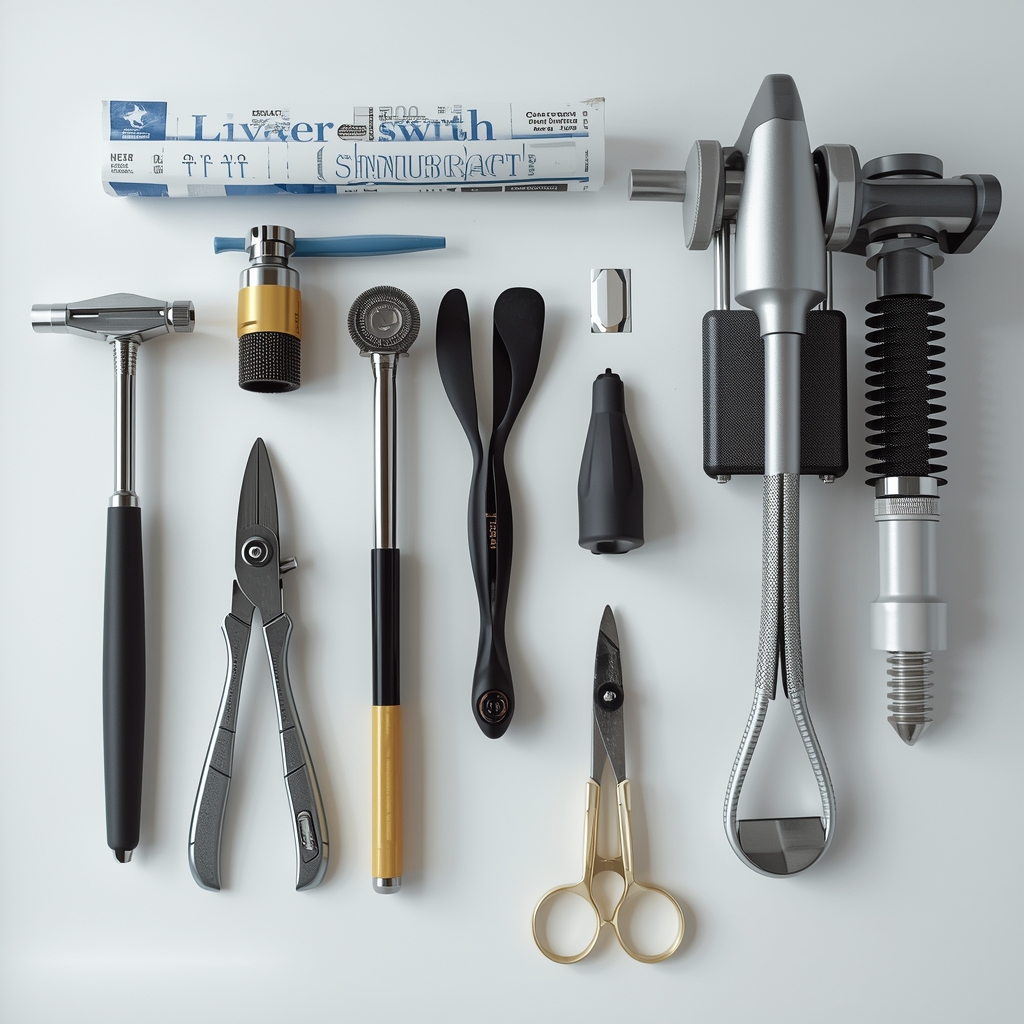
Introduction to Sports Chiropractic Tools
Chiropractic tools play a critical role in addressing sports-related injuries by targeting musculoskeletal imbalances and enhancing recovery. Athletes often face unique challenges, such as repetitive strain, acute trauma, and overuse injuries, which require specialized equipment to address effectively. These tools are designed to support joint mobility, reduce inflammation, and promote tissue healing. By integrating technology and manual techniques, chiropractors can create personalized treatment plans that align with the demands of athletic performance. Understanding these tools helps athletes and their care teams make informed decisions about recovery strategies. While individual results vary, the use of these instruments is widely recognized as a complementary approach to traditional sports medicine. Always consult a qualified chiropractor to determine the most appropriate tools for your specific condition.
Spinal Adjusting Instruments and Joint Mobilization Tools
Spinal adjusting instruments, such as the Activator Method device, are essential for precise joint adjustments in athletes. These tools deliver controlled, low-force impulses to realign vertebrae, reducing nerve irritation and improving mobility. For sports injuries involving the spine, such as sprains or misalignments, these instruments offer a gentler alternative to manual manipulation. They are particularly useful for athletes who require rapid recovery without prolonged discomfort. Other joint mobilization tools, like drop tables or manual thrust techniques, help restore range of motion in areas affected by trauma or overuse. By addressing structural imbalances, these tools support the body’s natural healing processes and reduce the risk of chronic issues. Their application is tailored to the athlete’s specific needs, ensuring safe and effective treatment.
Soft Tissue Therapy Tools for Muscle and Ligament Recovery
Soft tissue therapy tools, such as Graston Technique instruments and myofascial release devices, are vital for treating muscle strains, ligament sprains, and tendinitis in athletes. These tools help break down scar tissue, alleviate muscle tension, and improve circulation, which accelerates healing. The Graston Technique, for instance, uses specialized metal instruments to detect and treat adhesions in soft tissues, restoring flexibility and function. Foam rollers and massage guns are also commonly used for self-care and post-exercise recovery. By targeting tightness and promoting tissue regeneration, these tools reduce pain and prevent long-term complications. Athletes often incorporate them into their training routines to maintain optimal musculoskeletal health. When used under professional guidance, soft tissue tools enhance recovery and support sustained athletic performance.
Decompression and Traction Devices for Spinal and Joint Health
Decompression tables and traction devices are critical for addressing spinal and joint issues in athletes, such as herniated discs or joint compression. These tools gently stretch the spine or joints, creating space for discs to rehydrate and nerves to decompress. This process can alleviate pain, reduce inflammation, and restore proper alignment. For athletes with conditions like sciatica or facet joint dysfunction, decompression therapy offers a non-invasive alternative to surgery. Traction devices are also used for peripheral joints, such as the shoulders or knees, to relieve pressure and improve mobility. By targeting the root causes of discomfort, these tools support faster recovery and reduce the risk of recurring injuries. Their use is typically part of a broader treatment plan that includes manual adjustments and rehabilitative exercises.
Electrical Stimulation and Cold Laser Therapy for Pain Management
Electrical stimulation devices, such as TENS units, and cold laser therapy are widely used to manage pain and inflammation in sports injuries. TENS units deliver low-voltage electrical currents to block pain signals and stimulate endorphin production, offering relief for muscle soreness or joint pain. Cold laser therapy, on the other hand, uses specific wavelengths of light to reduce inflammation and promote cellular repair. Both methods are non-invasive and can be integrated into a comprehensive recovery plan. Athletes often benefit from these tools during rehabilitation, as they help minimize discomfort and support faster healing. While effective, their application should be guided by a chiropractor to ensure proper settings and avoid overuse. These technologies complement manual treatments, providing a multi-faceted approach to injury recovery.
Injury Prevention and Rehabilitation Tools for Athletes
Injury prevention tools, such as kinesio taping and proprioceptive training devices, are essential for reducing the risk of sports-related injuries. Kinesio tape supports muscles and joints while allowing full range of motion, helping athletes maintain performance during recovery. Proprioceptive tools, like balance boards or resistance bands, enhance neuromuscular control and stability, which are crucial for preventing falls or strains. Rehabilitation equipment, including resistance machines and mobility bands, aids in restoring strength and flexibility after an injury. These tools are often used in conjunction with chiropractic adjustments to ensure proper biomechanics. By incorporating prevention and rehabilitation strategies, athletes can extend their careers and minimize downtime. A chiropractor can recommend the most suitable tools based on an individual’s sport and injury history.














