
Understanding the Role of Massage Therapy in Sports Injury Recovery
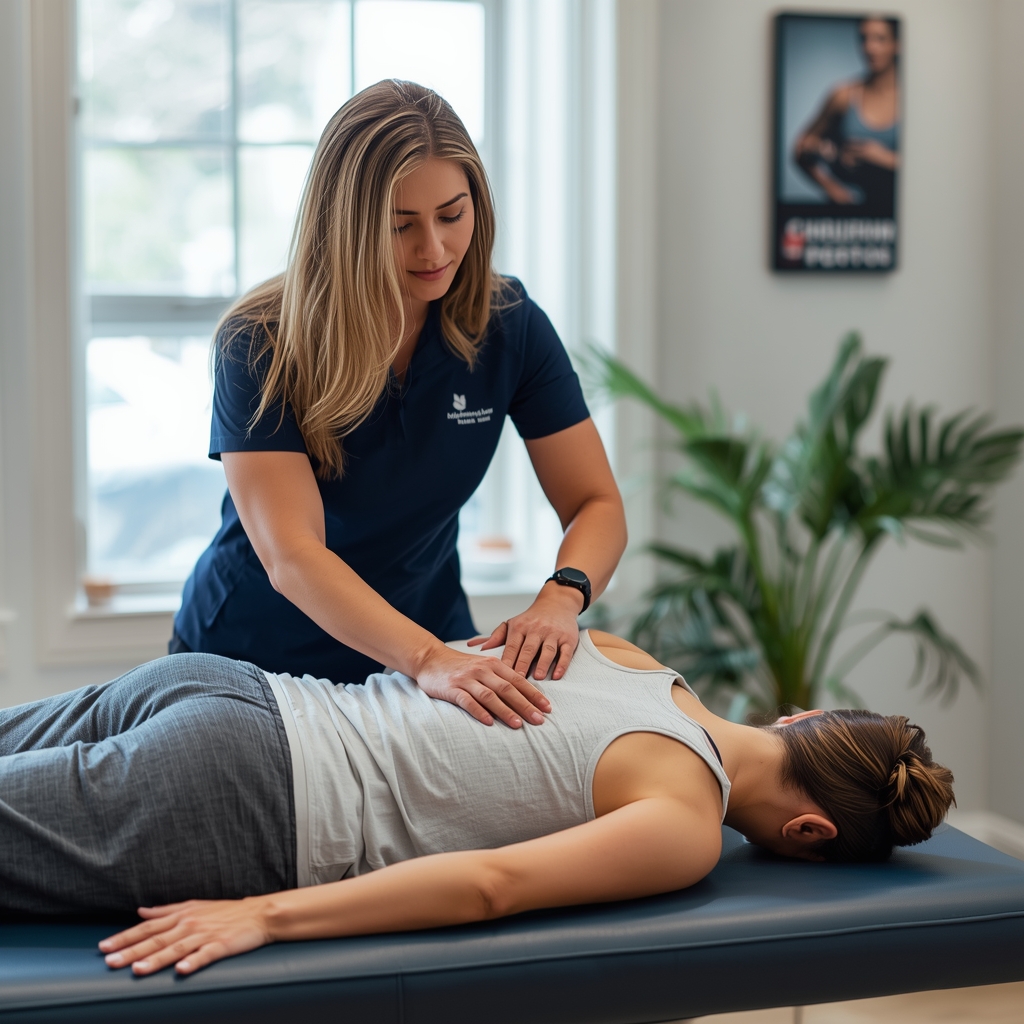
Massage therapy complements chiropractic care by addressing soft tissue damage often accompanying sports-related muscle strains. While chiropractic adjustments focus on spinal alignment and joint function, massage targets muscles, tendons, and ligaments to reduce tension, improve circulation, and accelerate healing. For athletes, this dual approach can enhance recovery times and restore mobility. Techniques like deep tissue massage or myofascial release help alleviate pain and break down scar tissue, which may form after an injury. By integrating these methods, chiropractors can offer a more holistic treatment plan that addresses both structural and muscular imbalances. This synergy is particularly beneficial for conditions like hamstring strains or shoulder pulls, where muscle tightness often exacerbates joint dysfunction. Understanding how these therapies interact allows practitioners to create personalized strategies that support the body’s natural healing processes.
How Chiropractors Incorporate Massage Techniques
Chiropractors trained in massage therapy or collaborating with licensed massage therapists use specific techniques to address muscle strains. Active release technique (ART) and soft tissue mobilization are commonly employed to target adhesions and restore muscle flexibility. These methods work alongside spinal adjustments to ensure proper biomechanics and reduce compensatory stress on injured areas. For example, a chiropractor might use cross-fiber friction on a strained quadriceps to break up scar tissue before performing an adjustment to realign the pelvis. This integrated approach helps prevent recurring injuries by addressing both the root cause and secondary effects of the strain. Additionally, massage therapy can prepare muscles for adjustments by reducing tension, making the process more effective and comfortable for the patient. By combining these modalities, chiropractors provide a comprehensive solution that supports faster, more sustainable recovery.
Enhancing Recovery Through Improved Circulation and Relaxation
Massage therapy promotes recovery by increasing blood flow to injured muscles, delivering oxygen and nutrients essential for tissue repair. This enhanced circulation also helps remove metabolic waste products that contribute to pain and inflammation. Chiropractors may use techniques like effleurage or petrissage to stimulate vascular activity, complementing the mechanical benefits of spinal adjustments. Additionally, massage induces relaxation, reducing stress hormones that can slow healing. Athletes often experience heightened anxiety after an injury, which massage can alleviate by triggering the release of endorphins and serotonin. This mental relaxation, paired with physical recovery, creates an optimal environment for healing. Chiropractors might recommend regular massage sessions as part of a rehabilitation protocol to maintain muscle flexibility and prevent stiffness. By prioritizing both physiological and psychological factors, this combined approach supports a more efficient recovery process.
Addressing Muscle Imbalances and Preventing Future Injuries
Sports-related muscle strains often stem from imbalances between opposing muscle groups or poor biomechanics. Chiropractors use massage therapy to identify and correct these imbalances, ensuring even force distribution during movement. For instance, tight hip flexors paired with weak glutes can lead to lower back strains, which massage can help alleviate by relaxing overactive muscles and improving flexibility. By integrating massage with chiropractic adjustments, practitioners address both the immediate injury and underlying biomechanical issues. This proactive approach reduces the risk of re-injury and enhances overall performance. Techniques like trigger point therapy target specific areas of tension, while myofascial release addresses broader patterns of restriction. When combined with spinal realignment, these methods restore functional movement and promote long-term musculoskeletal health.
Customizing Treatment Plans for Individual Athletes
Every athlete’s recovery needs differ based on injury severity, sport type, and personal physiology. Chiropractors tailor massage therapy protocols to align with these factors, ensuring treatments are both effective and safe. For example, a soccer player with a calf strain may require deeper tissue work to restore flexibility, while a swimmer with shoulder tightness might benefit from gentle myofascial release. Collaboration with massage therapists allows chiropractors to refine techniques based on real-time feedback and progress. This personalized approach also considers the athlete’s training schedule, avoiding overstimulation that could hinder performance. By integrating massage into a broader care plan, chiropractors help athletes return to their activities faster and with greater confidence. Regular assessments ensure adjustments and massage sessions remain aligned with the recovery timeline, optimizing outcomes.
Collaborating with Massage Therapists for Optimal Outcomes
Effective integration of massage therapy requires clear communication between chiropractors and licensed massage therapists. This collaboration ensures treatments align with the athlete’s overall care plan, avoiding conflicting approaches. Chiropractors may refer patients to specialized massage practitioners or co-treat using complementary techniques. For instance, a chiropractor might perform an adjustment while a massage therapist works on surrounding musculature to maintain balance. Regular case discussions help track progress and adjust protocols as needed. This teamwork also educates patients on self-care strategies, such as stretching or foam rolling, to support recovery between sessions. By fostering a multidisciplinary approach, chiropractors enhance the efficacy of both modalities, providing athletes with a well-rounded path to healing. Such partnerships ultimately lead to better outcomes and higher patient satisfaction.















