
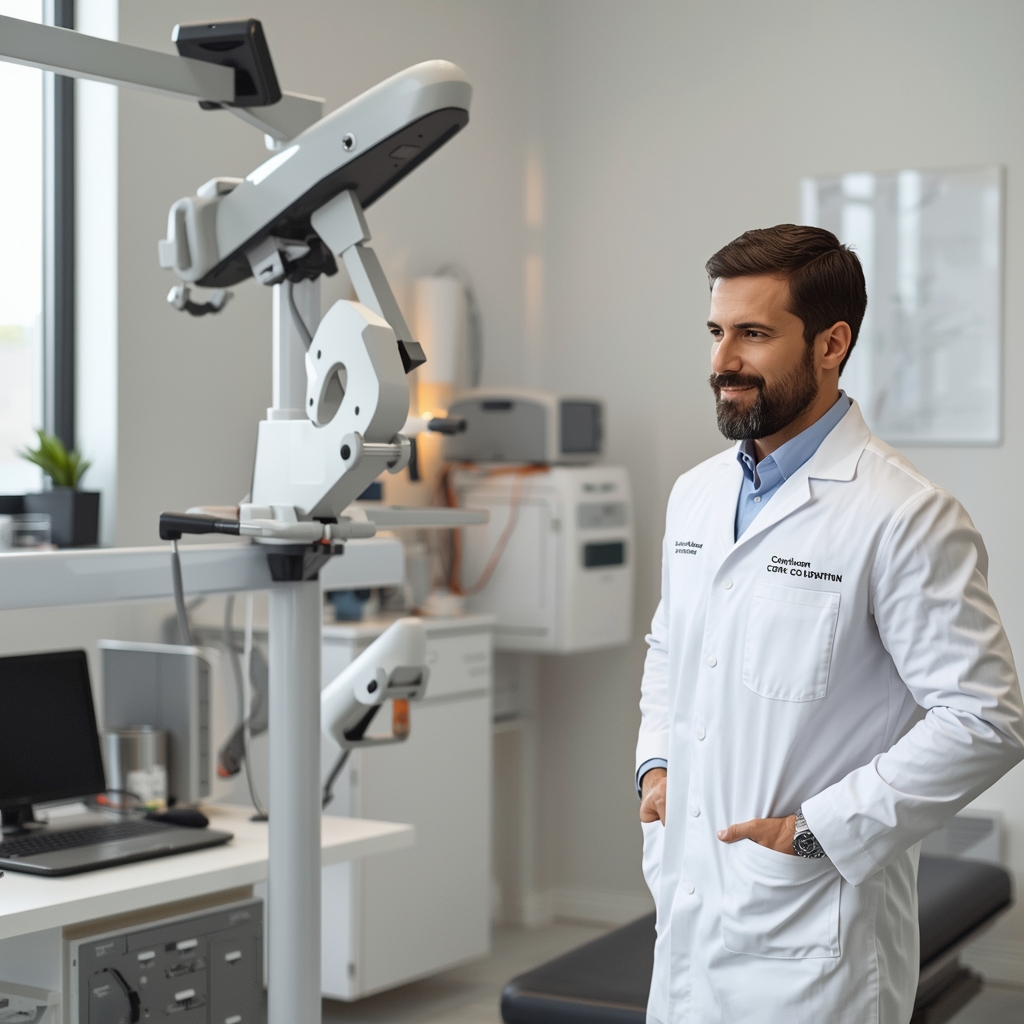
Introduction to Advanced Tools in Sports Chiropractic
Chiropractors specializing in sports injury rehabilitation rely on advanced tools to address the unique demands of athletic recovery. These tools enhance precision, reduce recovery times, and support targeted treatment. From soft tissue therapy devices to diagnostic equipment, each tool plays a role in restoring function and preventing re-injury. Athletes require specialized care due to high-impact activities, making these technologies essential for effective rehabilitation. Chiropractors must stay informed about innovations that align with evidence-based practices while prioritizing patient safety and comfort.
Instrument-Assisted Soft Tissue Therapy Devices
Instrument-assisted soft tissue therapy (IAST) tools, such as Graston Technique instruments, are critical for breaking down scar tissue and adhesions in muscles and tendons. These tools enable chiropractors to detect and treat restrictions in soft tissues that may hinder mobility. By combining manual pressure with specialized instruments, practitioners can improve circulation, reduce inflammation, and restore range of motion. IAST is particularly valuable for athletes with repetitive strain injuries, offering a non-invasive alternative to surgery. Proper training ensures these tools are used safely and effectively in sports rehabilitation protocols.
Cold Laser Therapy for Tissue Repair
Cold laser therapy, also known as low-level laser therapy (LLLT), uses specific wavelengths of light to stimulate cellular activity and reduce inflammation. This technology is widely used in sports chiropractic to accelerate healing in muscles, ligaments, and joints. By enhancing ATP production and promoting tissue regeneration, cold lasers support faster recovery from acute injuries and chronic conditions. Athletes often benefit from this modality due to its non-invasive nature and minimal side effects. Chiropractors integrate cold laser therapy into treatment plans to complement manual adjustments and other rehabilitative techniques.
Ultrasound Machines for Deep Tissue Healing
Diagnostic and therapeutic ultrasound devices are essential for assessing and treating soft tissue injuries in sports rehabilitation. These machines use high-frequency sound waves to visualize internal structures, helping chiropractors identify issues like tendon tears or muscle strains. Therapeutic ultrasound also promotes healing by increasing blood flow and reducing swelling. Portable ultrasound units allow for flexible treatment in clinical or on-site settings. When combined with manual therapy, ultrasound supports comprehensive care for athletes, ensuring accurate diagnoses and targeted interventions for optimal recovery outcomes.
Electrical Stimulation for Pain Management
Electrical stimulation devices, such as TENS (transcutaneous electrical nerve stimulation) units, are used to manage pain and reduce muscle spasms in sports injury rehabilitation. These tools deliver mild electrical impulses to block pain signals and stimulate endorphin production. Chiropractors may employ EMS (electrical muscle stimulation) to strengthen weakened muscles or prevent atrophy during recovery. Electrical stimulation is often part of a multi-modal approach, pairing with adjustments and exercises to enhance functionality. Its versatility makes it a valuable asset for addressing both acute and chronic pain in athletic populations.
Rehabilitation Equipment for Functional Restoration
Specialized rehabilitation equipment, including resistance bands, balance boards, and proprioceptive training tools, helps athletes regain strength and coordination after injuries. Chiropractors use these devices to design personalized exercise programs that mimic sport-specific movements. Functional rehabilitation focuses on restoring mobility, stability, and performance while minimizing re-injury risks. Tools like agility ladders and stability balls enhance neuromuscular control, critical for athletes returning to competition. Integrating this equipment into treatment plans ensures a structured, progressive approach to recovery, aligning with the goals of sports chiropractic care.











