
Understanding Post-TKR Rehabilitation Needs
Post-total knee replacement (TKR) rehabilitation requires a tailored approach to restore mobility and reduce discomfort. While physical therapy is standard, chiropractic care can complement traditional methods by addressing spinal alignment and musculoskeletal balance. Elderly patients often experience compensatory movements after surgery, which may strain other body regions. Chiropractors focus on identifying and correcting these imbalances through gentle adjustments and targeted exercises. However, protocols must prioritize safety, as older adults may have osteoporosis or other age-related conditions. A qualified chiropractor can assess individual needs and design a plan that supports recovery without overtaxing the body. This collaborative approach ensures that rehabilitation aligns with both surgical goals and long-term wellness.
Spinal Adjustments for Post-TKR Patients
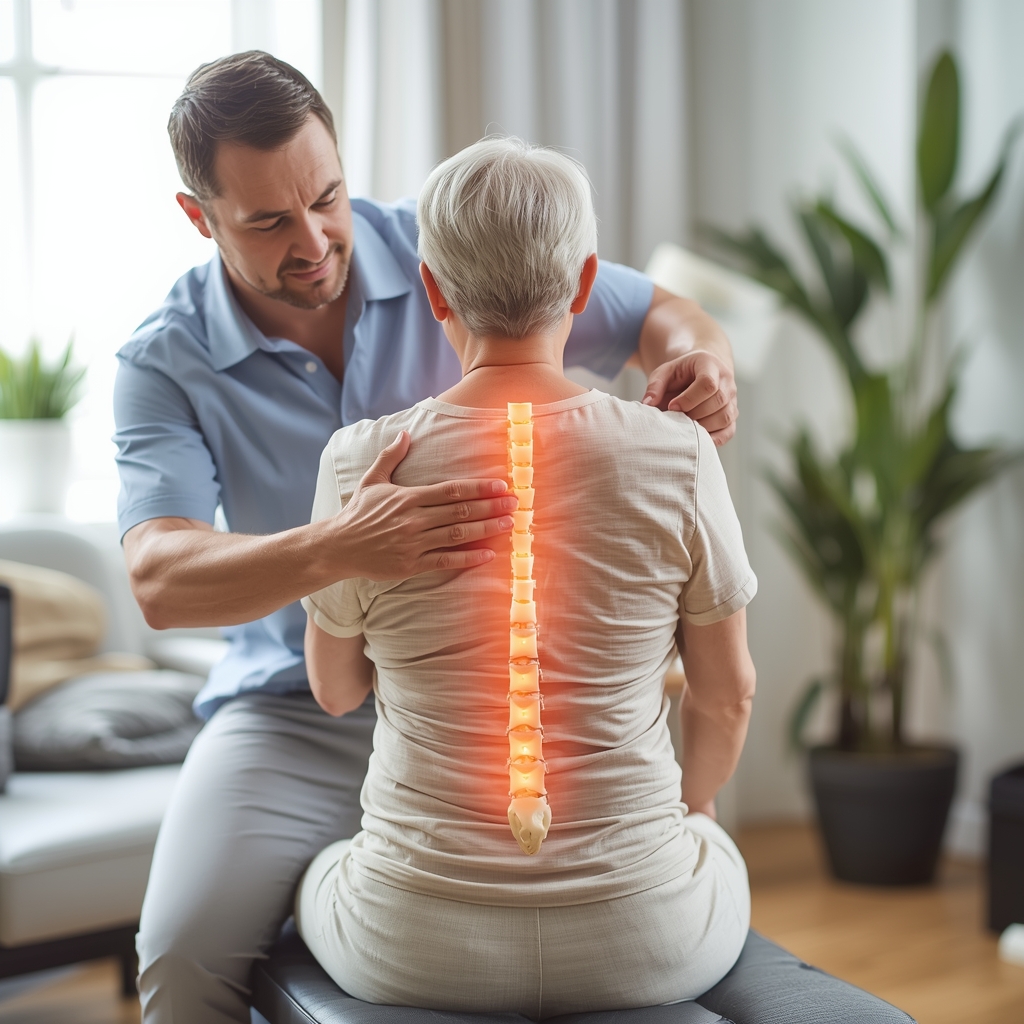
Spinal adjustments may help post-TKR patients by improving nervous system function and reducing compensatory stress on the spine. Misalignments in the lumbar or thoracic regions can develop due to altered gait patterns after knee surgery. Chiropractors use manual or instrument-assisted techniques to gently realign the spine, potentially enhancing mobility and reducing pain. These adjustments aim to restore proper biomechanics, which may support the body’s natural healing processes. However, the intensity and frequency of adjustments must be carefully calibrated for elderly patients, considering factors like bone density and overall health. A chiropractor will tailor the approach to each individual, avoiding high-velocity maneuvers that could pose risks. The goal is to create a stable foundation for recovery while minimizing additional strain on the body.
Mobility Exercises to Support Recovery
Low-impact mobility exercises are often recommended to improve flexibility and strength after TKR. Chiropractors may incorporate stretches and range-of-motion activities to prevent stiffness and promote circulation. Exercises like seated leg lifts, ankle pumps, and gentle hip rotations can help maintain joint health without overloading the knee. Core-strengthening movements may also be included to enhance stability and reduce compensatory strain on the lower back. These exercises are typically performed under professional guidance to ensure proper form and avoid injury. For elderly patients, consistency and moderation are key, as overexertion can delay recovery. A chiropractor can design a personalized routine that aligns with the patient’s progress and comfort level, fostering gradual improvement in mobility and function.
Integrating Chiropractic Care with Physical Therapy
Chiropractic techniques can work synergistically with physical therapy to optimize post-TKR outcomes. While physical therapists focus on strengthening and functional movement, chiropractors address spinal and joint alignment that may affect recovery. For example, a chiropractor might identify pelvic misalignments that contribute to gait abnormalities, while a physical therapist works on muscle activation. This collaborative approach ensures that both structural and muscular aspects of recovery are addressed. Patients should communicate openly with both providers to create a cohesive plan. However, it’s essential to avoid conflicting treatments, such as aggressive manipulations that might interfere with surgical healing. A coordinated strategy allows for safe, effective rehabilitation that supports long-term mobility and quality of life.
Safety Considerations for Elderly Patients
Elderly patients require special attention during post-TKR chiropractic care due to increased vulnerability to injury. Conditions like osteoporosis or cardiovascular issues demand a cautious approach. Chiropractors must thoroughly evaluate each patient’s medical history before initiating adjustments or exercises. Gentle techniques, such as soft tissue therapy or mobilization, are often preferred over high-velocity manipulations. Regular monitoring is crucial to detect any adverse reactions or complications. Patients should report any new symptoms promptly to their chiropractor. Additionally, ensuring a safe environment for exercises—such as using supportive equipment or supervised settings—can prevent falls. By prioritizing safety and individualized care, chiropractic interventions can safely enhance recovery without compromising the patient’s well-being.
Conclusion: A Holistic Approach to Recovery
Post-TKR rehabilitation benefits from a multidisciplinary strategy that includes chiropractic care. Spinal adjustments and mobility exercises can address compensatory patterns, improve alignment, and support overall recovery. However, these interventions must be tailored to the unique needs of elderly patients, emphasizing safety and gradual progress. A chiropractor can play a valuable role in this process, working alongside other healthcare providers to create a comprehensive plan. Patients should consult qualified professionals to explore how chiropractic techniques might complement their rehabilitation. By combining evidence-based practices with individualized care, elderly patients can achieve better mobility, reduced discomfort, and a smoother return to daily activities.












