
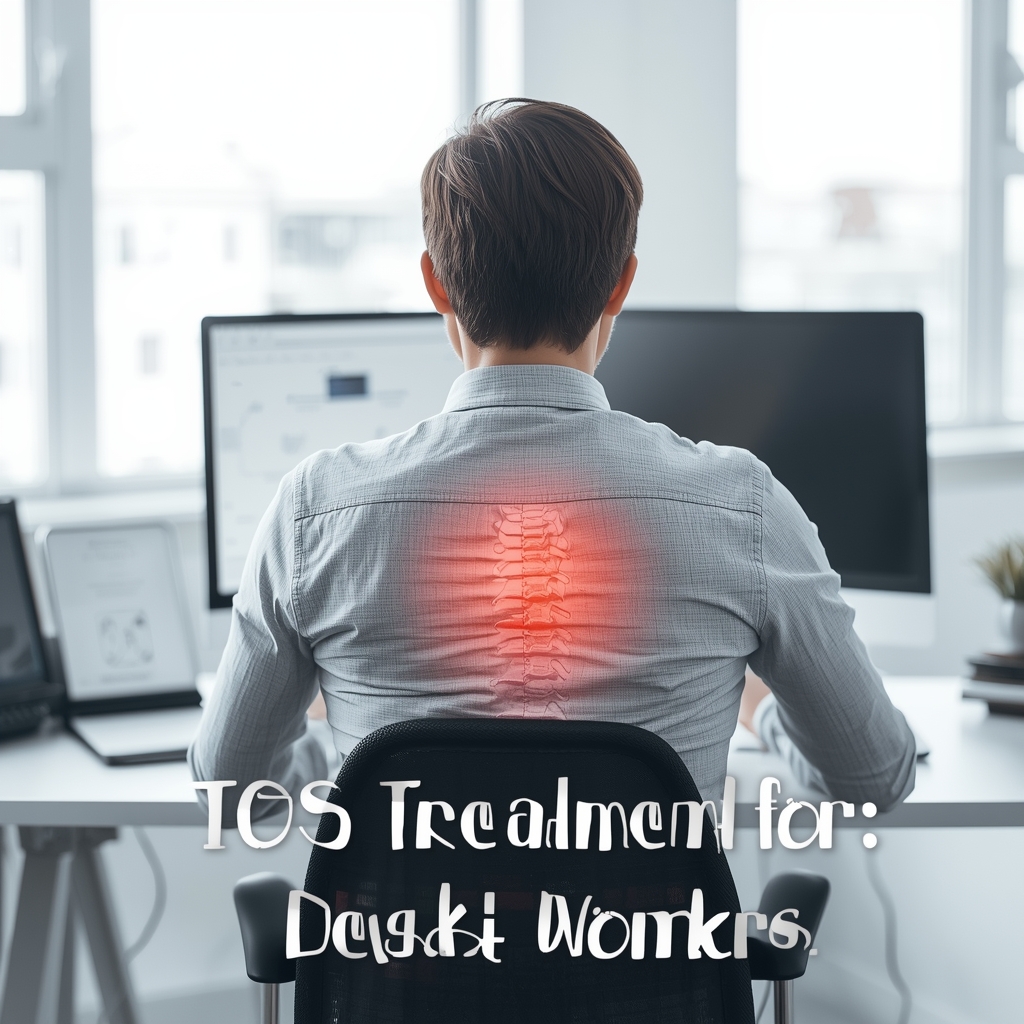
Non-Surgical TOS Treatment for Desk Workers: Chiropractic & Ergonomic Solutions
### Understanding Thoracic Outlet Syndrome in Desk Workers
Thoracic Outlet Syndrome (TOS) occurs when nerves or blood vessels near the neck and shoulder area become compressed, leading to pain, numbness, and tingling in the arms and hands. Desk workers are particularly vulnerable due to prolonged sitting, poor posture, and repetitive movements. Common causes include slouching, forward head posture, and improper workstation setup. Symptoms may worsen during tasks like typing or lifting, affecting daily productivity. While TOS can have various subtypes, non-surgical approaches like chiropractic care and ergonomic adjustments are often the first line of treatment. Addressing the root causes through targeted interventions can alleviate discomfort and restore mobility without invasive procedures.
### Chiropractic Adjustments for Thoracic Outlet Syndrome
Chiropractic adjustments can help relieve TOS by realigning the spine and reducing pressure on compressed nerves or blood vessels. Spinal manipulative therapy (SMT) is commonly used to correct misalignments in the cervical and thoracic regions, improving posture and nerve function. Techniques like Active Release Technique (ART) may also be employed to release tight soft tissues contributing to compression. Chiropractors may focus on the first rib, which is frequently involved in TOS, using gentle mobilization to restore proper movement. These adjustments aim to enhance blood flow, reduce inflammation, and alleviate symptoms. While results vary, many patients report improved range of motion and reduced pain after a series of sessions. A chiropractor will tailor the approach to the individual’s condition and lifestyle.
### Ergonomic Modifications for Desk Workers with TOS
Ergonomic adjustments are critical for managing TOS in office settings. Proper chair height ensures the feet are flat on the floor, reducing strain on the lower back and shoulders. A monitor positioned at eye level prevents forward head posture, which can exacerbate nerve compression. Using an ergonomic keyboard and mouse can minimize repetitive strain on the wrists and arms. Additionally, taking frequent breaks to stretch and move helps prevent prolonged static postures. Adjusting the desk height to allow elbows to bend at 90 degrees while typing further reduces shoulder and neck tension. Incorporating a standing desk or using a stability ball as a chair can also promote better posture. These modifications, when combined with chiropractic care, create a holistic approach to TOS management.
### Lifestyle and Posture Corrections for Long-Term Relief
Beyond adjustments and ergonomics, lifestyle changes play a vital role in preventing TOS recurrence. Strengthening exercises for the upper back and core muscles can improve posture and reduce strain on the thoracic outlet. Stretching routines targeting the chest, shoulders, and neck help relieve tightness that contributes to compression. Avoiding heavy backpacks or carrying items on one shoulder is also advisable. Regular physical activity, such as yoga or swimming, enhances flexibility and circulation. Mindful habits like taking short movement breaks every 30 minutes can prevent stiffness. These strategies, when integrated with professional care, support long-term recovery and reduce the risk of symptom flare-ups.
### The Role of a Chiropractor in Customized TOS Treatment
A chiropractor plays a key role in developing a personalized treatment plan for TOS. After a thorough evaluation, they may combine adjustments, soft tissue therapies, and ergonomic recommendations to address the patient’s specific needs. Regular follow-ups allow for progress monitoring and adjustments to the care plan as needed. Chiropractors often collaborate with other healthcare providers to ensure a comprehensive approach. They may also educate patients on self-care techniques, such as proper lifting methods or posture correction. By focusing on the body’s natural ability to heal, chiropractic care offers a non-invasive alternative to surgery. Patients are encouraged to communicate openly with their provider to optimize outcomes.
### When to Seek Further Medical Evaluation
While chiropractic care and ergonomic changes often provide relief, certain symptoms may indicate a need for further medical evaluation. Persistent pain, swelling, or changes in skin color in the arms could signal vascular issues requiring specialist intervention. Neurological symptoms like muscle weakness or severe numbness should also be addressed promptly. In rare cases, imaging or blood tests may be necessary to rule out underlying conditions. A chiropractor can guide patients on when to consult a physician or specialist. Early intervention is crucial for preventing complications and ensuring the most effective treatment path.














