
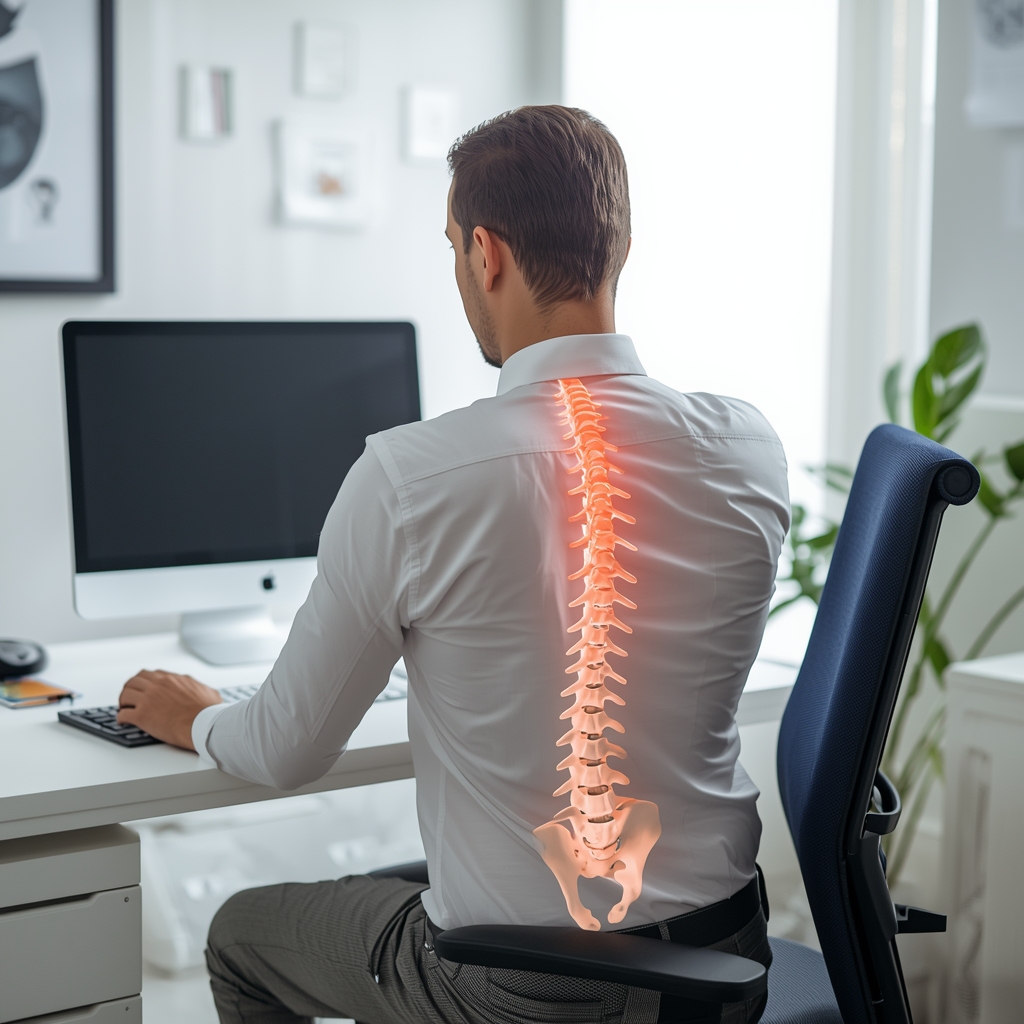
Ergonomic Setup for Reduced Thoracic Outlet Syndrome Strain
Desk workers with thoracic outlet syndrome (TOS) can benefit from optimizing their workspace to minimize nerve and blood vessel compression. Proper chair height ensures the feet rest flat on the floor, keeping the knees at 90-degree angles to prevent slouching. Monitor placement should align with eye level to avoid forward head posture, which strains the neck and upper back. Keyboards and mice should be positioned so the arms hang naturally at the sides, reducing shoulder elevation. Lumbar support cushions or adjustable chairs can maintain the spine’s natural curve, while standing desks offer movement breaks to alleviate static pressure. These adjustments reduce the risk of thoracic outlet compression by promoting neutral body positioning. While ergonomic tools are helpful, they should complement professional guidance from a chiropractor or physical therapist to address individual needs.
Posture Adjustments to Alleviate TOS Symptoms
Correcting poor posture is critical for managing TOS, as slouching or rounded shoulders compress the thoracic outlet. Maintaining an upright position with the chest open and shoulders relaxed helps create space for nerves and blood vessels. Chiropractors often recommend the “scapular retraction” technique, where the shoulder blades are gently pulled together to improve alignment. Avoiding repetitive overhead movements or carrying heavy bags on one side prevents uneven pressure on the thoracic region. Regularly checking posture throughout the day—using a mirror or posture-correcting apps—can reinforce healthy habits. Additionally, taking short breaks to stand, stretch, or walk promotes circulation and reduces stiffness. These adjustments, when combined with ergonomic modifications, can significantly ease TOS symptoms. However, persistent discomfort warrants consultation with a healthcare provider to explore targeted interventions.
Stretching and Strengthening Exercises for TOS Relief
Targeted exercises can relieve TOS by improving flexibility and strengthening the muscles around the thoracic outlet. Shoulder rolls, neck stretches, and chest openers like the doorway stretch help release tightness in the pectoral muscles, which often contribute to compression. Gentle neck tilts and side bends reduce tension in the cervical spine, while scapular squeezes strengthen the upper back to support better posture. Isometric exercises, such as pressing the palms against a wall without moving, build endurance without aggravating symptoms. It’s essential to perform these movements slowly and avoid overexertion. A chiropractor may recommend a personalized routine based on symptom severity and individual anatomy. Consistency is key, but exercises should never replace professional care. Pairing these practices with ergonomic adjustments creates a holistic approach to managing TOS discomfort.
Lifestyle Modifications to Support TOS Management
Beyond workspace adjustments, daily habits play a role in TOS management. Regular movement breaks—every 30-60 minutes—prevent prolonged static positions that worsen compression. Incorporating low-impact activities like walking or swimming improves circulation and reduces muscle stiffness. Proper sleep posture is also vital; avoiding sleeping on the affected side or with arms overhead prevents nighttime aggravation. Ergonomic pillows that support the neck and spine can enhance sleep quality. Stress management techniques, such as deep breathing or meditation, may indirectly help by reducing muscle tension. While these lifestyle changes are beneficial, they should not replace professional evaluation. A chiropractor can identify underlying issues and tailor recommendations to individual needs, ensuring safe and effective symptom relief.
When to Seek Professional Help for TOS
If ergonomic adjustments and exercises fail to relieve TOS symptoms, consulting a chiropractor or healthcare provider is essential. Persistent pain, numbness, or weakness in the arms may indicate severe nerve or vascular compression requiring specialized care. A chiropractor can perform diagnostic tests to determine the root cause and recommend treatments like spinal adjustments, soft tissue therapy, or decompression techniques. They may also collaborate with physical therapists to develop a rehabilitation plan. Early intervention improves outcomes, as untreated TOS can lead to chronic complications. While self-care strategies are valuable, they should not delay professional evaluation. A qualified provider can distinguish between different TOS types and create a personalized approach to restore function and reduce discomfort.
Long-Term Benefits of Ergonomic and Postural Awareness
Adopting ergonomic practices and postural awareness offers lasting benefits for desk workers with TOS. Consistent adjustments to workspace and movement habits reduce the risk of symptom recurrence and prevent secondary issues like neck or shoulder pain. Improved circulation and muscle balance enhance overall comfort and productivity. Over time, these changes foster a healthier relationship with work environments, minimizing strain on the thoracic outlet. Chiropractic care complements these efforts by addressing misalignments and promoting spinal health. By prioritizing ergonomic and postural health, individuals can maintain mobility and reduce the impact of TOS on daily life. Regular check-ins with a chiropractor ensure ongoing support, helping desk workers sustain long-term relief and well-being.













