
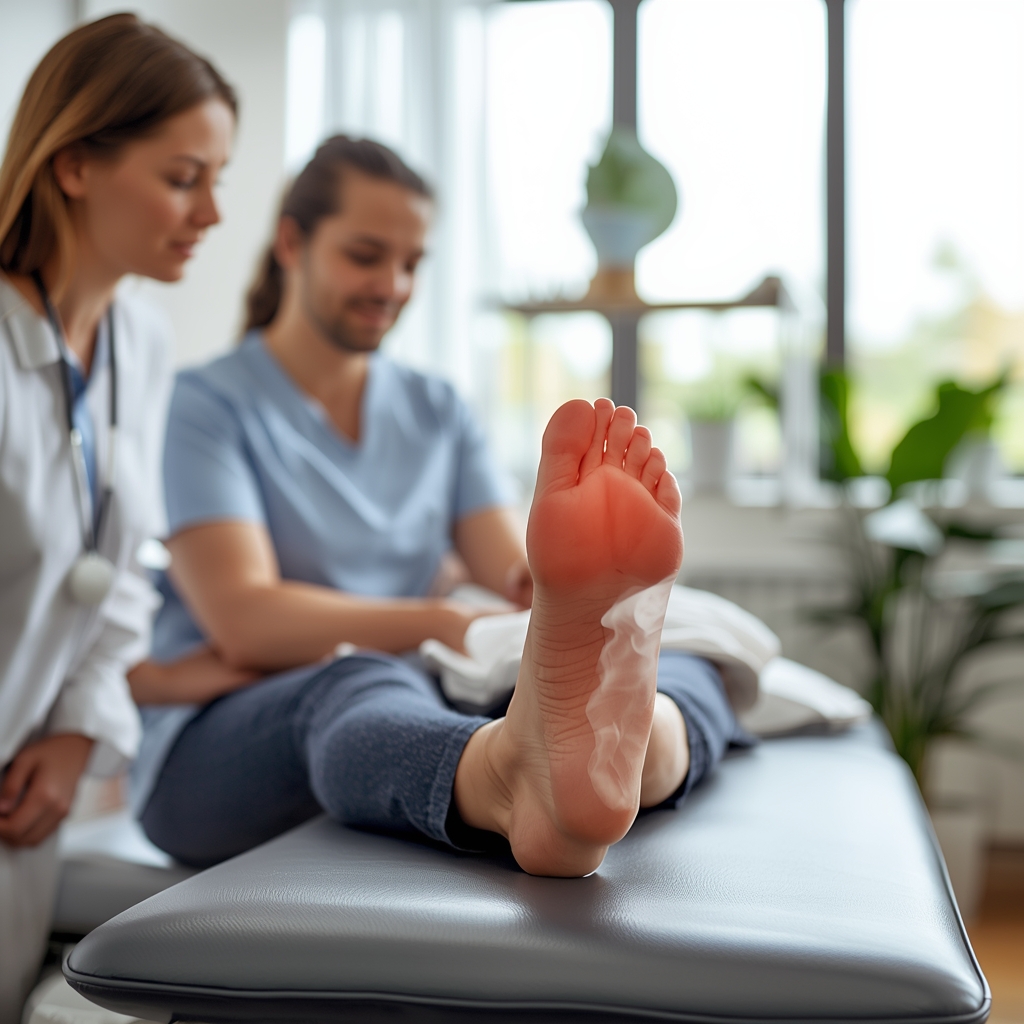
Understanding Plantar Fasciitis and Chiropractic Care
Plantar fasciitis, a common cause of heel pain, occurs when the thick band of tissue connecting the heel bone to the toes becomes inflamed. While traditional treatments often focus on orthotics or physical therapy, chiropractic care offers non-invasive alternatives. Chiropractors address the condition by improving biomechanics, reducing inflammation, and enhancing overall foot function. Techniques like soft tissue therapy and spinal adjustments aim to alleviate pressure on the plantar fascia, promoting natural healing. This approach emphasizes the body’s ability to recover with minimal intervention, making it a popular choice for those seeking drug-free solutions.
Soft Tissue Therapy for Plantar Fasciitis
Soft tissue therapy, including massage and myofascial release, is a cornerstone of non-invasive chiropractic care for plantar fasciitis. This technique targets tight muscles and adhesions in the feet and lower legs, which can contribute to heel pain. By applying pressure to specific points, chiropractors help reduce tension in the plantar fascia and surrounding tissues. Many patients report decreased pain and improved mobility after sessions. This method is often combined with stretching exercises to maintain flexibility. While not a standalone cure, soft tissue therapy supports the body’s natural healing processes and complements other chiropractic interventions.
Active Release Technique (ART) for Foot Pain
Active Release Technique (ART) is a specialized soft tissue method used to treat conditions like plantar fasciitis. It involves the chiropractor applying pressure while the patient moves their foot through specific ranges of motion. This helps break down scar tissue and restore normal function to the affected area. ART is particularly effective for addressing adhesions that limit flexibility and cause discomfort. Patients often experience relief after a few sessions, as the technique promotes blood flow and reduces inflammation. While not a guaranteed solution, many find ART beneficial when combined with other non-invasive strategies. Always consult a licensed chiropractor to ensure proper application.
Spinal Adjustments and Postural Corrections
Spinal adjustments can indirectly help alleviate plantar fasciitis by addressing misalignments that affect gait and foot mechanics. A chiropractor may identify issues in the lower back or pelvis that contribute to uneven weight distribution, worsening heel pain. By realigning the spine, these adjustments aim to improve posture and reduce strain on the plantar fascia. This holistic approach considers how the entire musculoskeletal system interacts. While not a direct treatment for the foot, spinal corrections can enhance overall function and support long-term recovery. Patients often notice gradual improvements in pain levels and mobility with consistent care.
Integrating Corrective Exercises and Stretching
Chiropractors often recommend corrective exercises and stretching routines to complement manual therapies for plantar fasciitis. These activities focus on strengthening the muscles supporting the arch and improving flexibility in the calves and feet. Simple stretches, such as toe curls or calf raises, can reduce tension on the plantar fascia. Patients are advised to perform these exercises regularly to maintain progress. While not a substitute for professional care, consistent practice enhances the effectiveness of chiropractic interventions. Always follow a chiropractor’s guidance to ensure exercises are tailored to individual needs and avoid further strain.
Lifestyle Modifications and Preventive Care
In addition to hands-on treatments, chiropractors may suggest lifestyle changes to manage plantar fasciitis. Wearing supportive footwear, avoiding prolonged standing, and using orthotic inserts can reduce pressure on the feet. Chiropractors might also address underlying factors like obesity or poor posture that contribute to the condition. Regular check-ups allow for early detection of issues that could worsen over time. By combining these strategies with non-invasive therapies, patients can achieve lasting relief. Always discuss personalized recommendations with a qualified chiropractor to ensure safe and effective care.











