
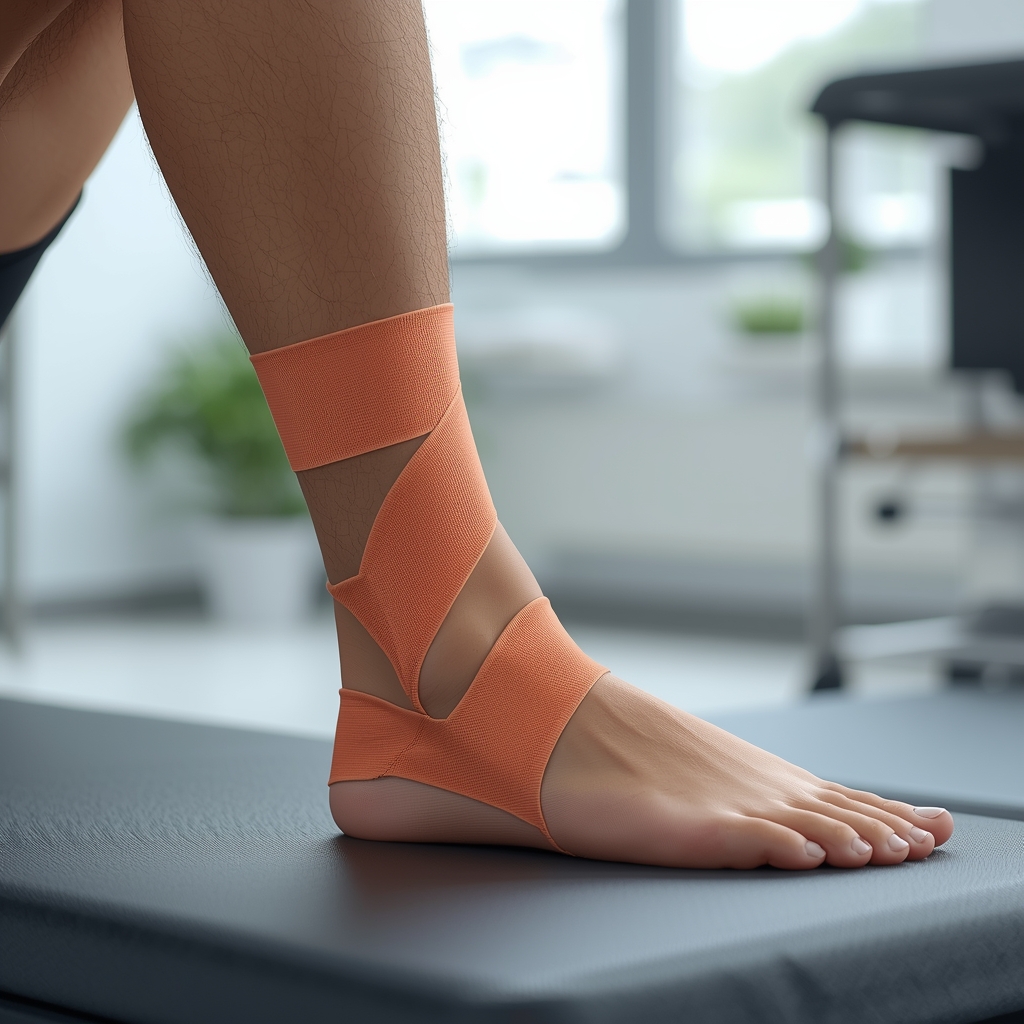
Understanding Kinesio Taping and Chiropractic Care
Kinesio Taping is a therapeutic technique using elastic bands to support muscles and joints, often used for injury recovery. It works by gently lifting the skin to enhance lymphatic drainage and reduce swelling. Chiropractic care focuses on musculoskeletal alignment, particularly the spine, to improve nerve function and overall body mechanics. When combined, these approaches address both structural and functional aspects of healing. Kinesio Taping provides external support, while chiropractic adjustments restore proper movement patterns. This synergy can accelerate recovery by reducing pain, improving mobility, and preventing further injury. Both methods emphasize the body’s natural ability to heal, aligning with holistic health principles. Patients often seek this combination for conditions like ankle sprains, where stability and alignment are critical. By integrating these practices, healthcare providers offer a comprehensive strategy that supports the body’s innate recovery processes without invasive interventions.
The Role of Kinesio Taping in Ankle Sprain Recovery
Kinesio Taping aids ankle sprain recovery by stabilizing the joint while allowing natural movement. The tape’s elasticity mimics muscle function, providing support without restricting range of motion. This helps reduce swelling by promoting lymphatic flow, which is crucial in the early stages of injury. Additionally, the tape enhances proprioception—the body’s awareness of its position in space—helping patients avoid further strain. For ankle sprains, this can prevent compensatory movements that might lead to additional injuries. Kinesio Taping also alleviates pain by stimulating sensory receptors, which can modulate pain signals. While not a standalone solution, it complements other treatments by creating a supportive environment for healing. Its non-invasive nature makes it suitable for various stages of recovery, from acute inflammation to rehabilitation. By addressing both mechanical and sensory aspects, Kinesio Taping becomes a valuable tool in restoring function and confidence during the recovery process.
Chiropractic Care’s Contribution to Ankle Sprain Healing
Chiropractic care plays a vital role in ankle sprain recovery by addressing misalignments that may contribute to prolonged pain or instability. Spinal and extremity adjustments can restore proper biomechanics, ensuring the body’s nervous system functions optimally. For ankle injuries, chiropractors may focus on the foot, ankle, and lower extremity joints to correct imbalances. This approach reduces stress on the injured area, promoting faster healing. Chiropractic techniques also improve circulation, which supports tissue repair and reduces inflammation. Additionally, adjustments can alleviate nerve irritation that may arise from the injury, enhancing overall recovery. Patients often experience improved mobility and reduced pain after sessions. Chiropractors may also recommend rehabilitative exercises to strengthen surrounding muscles, preventing future sprains. By integrating these strategies, chiropractic care offers a multifaceted approach that supports the body’s natural healing processes, making it a complementary option for ankle sprain recovery.
Synergistic Benefits of Combining Kinesio Taping and Chiropractic Care
When used together, Kinesio Taping and chiropractic care create a synergistic effect that enhances recovery outcomes. Chiropractic adjustments address underlying structural issues, while Kinesio Taping provides immediate support and sensory feedback. This combination can improve joint stability, reduce pain, and accelerate functional restoration. For example, a chiropractor might realign the ankle joint, and Kinesio Taping can then maintain that alignment during movement. The tape’s ability to stimulate proprioception complements the improved mechanics from adjustments, helping patients regain confidence in their movements. Additionally, the reduced swelling from Kinesio Taping supports the body’s response to chiropractic interventions. This integrated approach also encourages patient engagement, as individuals can actively participate in their recovery through taping techniques. By addressing both mechanical and neurological aspects, the collaboration between these methods offers a comprehensive strategy. This partnership underscores the value of multidisciplinary care in achieving optimal healing for ankle sprains.
Practical Applications and Patient Considerations
Patients considering Kinesio Taping and chiropractic care for ankle sprains should consult qualified professionals to ensure safe and effective treatment. A chiropractor can assess the injury’s severity and recommend appropriate adjustments, while a trained therapist applies the tape correctly. Proper application is critical, as improper placement may reduce effectiveness or cause discomfort. Individuals should also communicate any skin sensitivities or medical conditions that might affect treatment. Combining these methods requires a personalized plan, as recovery timelines vary based on injury type and overall health. Patients may need multiple sessions to achieve optimal results, with adjustments and taping applied progressively. It’s important to note that these approaches work best when integrated with other rehabilitation strategies, such as physical therapy or rest. Regular follow-ups allow providers to monitor progress and modify the plan as needed. By prioritizing professional guidance, patients can maximize the benefits of this combined approach while minimizing risks.
Conclusion: Enhancing Recovery Through Integrated Care
Kinesio Taping and chiropractic care offer a complementary approach to recovering from ankle sprains, addressing both structural and functional aspects of healing. Kinesio Taping provides external support and sensory feedback, while chiropractic adjustments restore proper alignment and nerve function. Together, they create a holistic strategy that promotes faster recovery and reduces the risk of re-injury. Patients benefit from a treatment plan that combines non-invasive techniques with personalized care, fostering the body’s natural healing abilities. However, success depends on professional guidance and individualized approaches. Those considering this combination should seek experienced practitioners who can tailor the methods to their specific needs. By embracing integrated care, individuals can achieve more effective and sustainable recovery outcomes. This collaborative model highlights the importance of multidisciplinary strategies in modern musculoskeletal health, offering a safe and supportive path to wellness.














