
Understanding Active Release Technique (ART)
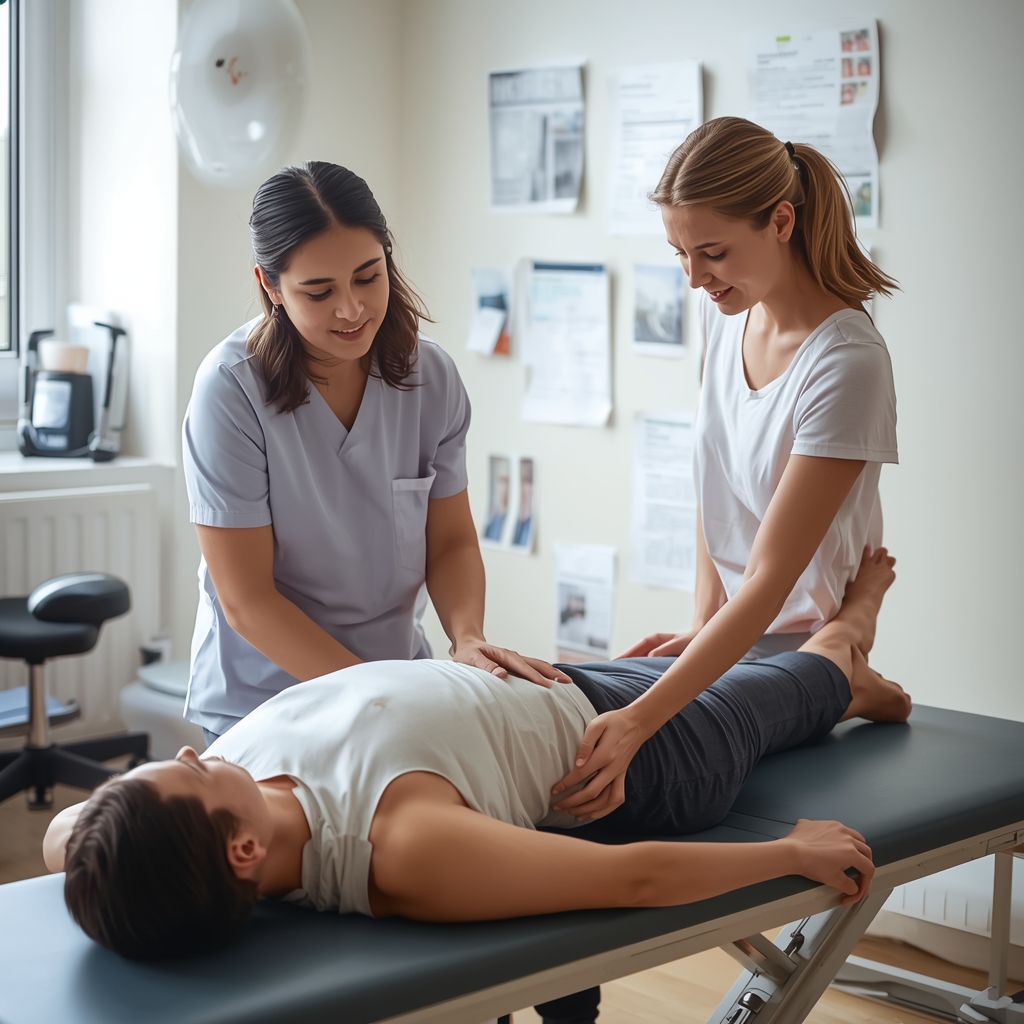
Active Release Technique (ART) is a soft tissue therapy method designed to address issues with muscles, tendons, and ligaments caused by repetitive strain. Developed by Dr. Michael Leahy, ART uses specific movements and pressure to break down scar tissue and restore normal function. Athletes often turn to ART for conditions like tendonitis or muscle tightness, as it targets the root cause of pain rather than just masking symptoms. The technique involves the practitioner applying tension while the patient performs controlled movements, which can help realign tissues and improve mobility. While ART is commonly associated with chiropractic care, it’s often used alongside other treatments to enhance recovery outcomes.
Traditional Physical Therapy Approaches
Traditional physical therapy focuses on restoring movement and function through exercises, manual therapy, and education. For repetitive strain injuries, physical therapists design personalized programs that include stretching, strengthening, and posture correction. Modalities like heat, ice, or electrical stimulation may also be used to reduce pain and inflammation. Unlike ART, which emphasizes hands-on manipulation, physical therapy often prioritizes patient engagement in their recovery process. This approach encourages long-term lifestyle changes, such as ergonomic adjustments or activity modification, to prevent future injuries. Physical therapy is widely practiced across healthcare settings and is often covered by insurance, making it an accessible option for many athletes seeking rehabilitation.
Comparing Effectiveness for Repetitive Strain Injuries
Both ART and traditional physical therapy aim to alleviate pain and restore function, but they differ in their methods and timelines. ART is often praised for its targeted approach, which may lead to quicker relief for specific soft tissue issues. Physical therapy, on the other hand, emphasizes gradual strengthening and prevention, which can reduce the risk of recurring injuries. Research on these methods is limited, but anecdotal evidence suggests that ART may be particularly effective for acute strain injuries, while physical therapy offers broader, long-term benefits. Athletes might find that combining both approaches yields the best results, though individual responses can vary. Consulting a qualified provider is essential to determine the most suitable strategy.
Key Differences in Treatment Philosophy
ART and traditional physical therapy reflect distinct philosophies in addressing musculoskeletal issues. ART focuses on identifying and treating specific soft tissue restrictions through manual techniques, often requiring multiple sessions for optimal results. Traditional physical therapy, however, takes a more holistic approach, incorporating education, exercise, and lifestyle modifications to support overall recovery. While ART may provide immediate relief by breaking down adhesions, physical therapy empowers patients to manage their conditions independently. This contrast highlights the importance of tailoring treatment to the athlete’s needs, whether they require rapid symptom relief or long-term functional improvement. Both methods have strengths, but their effectiveness depends on the injury’s nature and the patient’s goals.
When to Choose ART Over Physical Therapy
ART may be preferable for athletes experiencing acute or localized repetitive strain injuries, such as carpal tunnel syndrome or shin splints, where soft tissue adhesions are a primary concern. Its focused, hands-on approach can quickly address specific areas of tension or restriction. However, physical therapy is often better suited for injuries requiring broader rehabilitation, such as chronic conditions or those involving multiple body systems. Athletes with complex needs, like post-surgical recovery or biomechanical imbalances, may benefit more from the comprehensive strategies of physical therapy. Ultimately, the choice depends on the injury’s severity, the athlete’s preferences, and the guidance of a healthcare professional trained in both modalities.
Integrating Both Approaches for Optimal Recovery
Many athletes and healthcare providers find that combining ART with traditional physical therapy offers a balanced approach to recovery. ART can address immediate soft tissue restrictions, while physical therapy builds long-term resilience through exercise and education. This integrated model allows for targeted intervention alongside preventive strategies, reducing the risk of re-injury. For example, an athlete with shoulder pain might receive ART to release tight muscles and then engage in physical therapy to strengthen surrounding tissues. Collaboration between chiropractors and physical therapists ensures a cohesive treatment plan. As with any medical decision, athletes should discuss their options with qualified professionals to create a personalized roadmap for healing and performance.















