
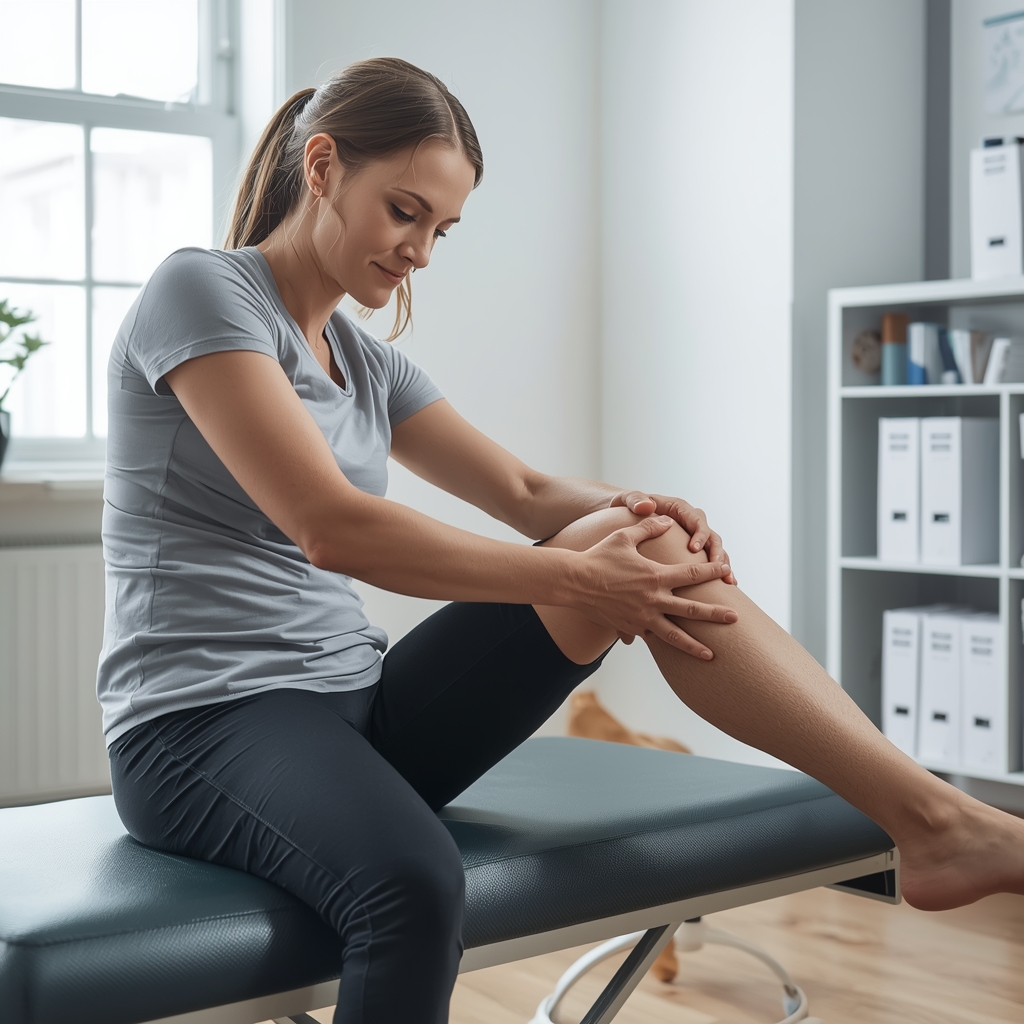
Understanding Spinal Adjustments and Physical Therapy
Spinal adjustments and physical therapy are two approaches often used to address musculoskeletal conditions like knee osteoarthritis. Spinal adjustments, performed by chiropractors, focus on realigning the spine to improve nervous system function and reduce pain. Physical therapy, on the other hand, emphasizes strengthening muscles, improving flexibility, and restoring mobility. While they target different areas—spinal alignment versus joint function—they can work synergistically. For knee osteoarthritis, which involves cartilage degeneration and joint inflammation, combining these methods may offer more comprehensive relief. Both approaches aim to enhance the body’s natural healing processes but through distinct mechanisms. Patients often explore this combination to address pain from multiple angles, though it’s important to consult a qualified provider to determine the best plan for individual needs.
Enhancing Joint Function and Mobility
Spinal adjustments may indirectly support knee function by improving overall musculoskeletal alignment. A misaligned spine can create compensatory patterns that strain joints, including the knees. By restoring proper spinal mechanics, adjustments may reduce stress on the lower extremities and promote better movement efficiency. Physical therapy complements this by directly targeting the muscles around the knee, enhancing stability and range of motion. Together, these approaches address both structural and functional aspects of knee health. For example, a chiropractor might adjust the pelvis or lumbar spine to alleviate pressure on nerves that influence knee function, while a physical therapist designs exercises to strengthen the quadriceps and hamstrings. This dual focus can lead to improved mobility and reduced discomfort, though results vary based on the individual’s condition and commitment to treatment.
Reducing Inflammation and Pain Signals
Both spinal adjustments and physical therapy can help manage inflammation and pain associated with knee osteoarthritis. Spinal manipulations may stimulate the nervous system to reduce pain signals and promote anti-inflammatory responses. Physical therapy techniques, such as targeted exercises and modalities like heat or ice, also aim to decrease inflammation and ease discomfort. When used together, these methods may create a more effective pain management strategy. For instance, adjustments could improve nerve function, allowing the body to respond better to physical therapy interventions. However, it’s crucial to recognize that neither approach is a standalone cure. Patients should work with healthcare professionals to tailor a plan that addresses their specific symptoms and avoids over-reliance on any single treatment.
Addressing the Whole Body for Holistic Relief
Knee osteoarthritis often reflects broader musculoskeletal imbalances that extend beyond the knee joint. Spinal adjustments consider the entire spine and its relationship to other body systems, potentially correcting issues that contribute to knee strain. Physical therapy focuses on the knee itself but may also address surrounding areas like the hips or ankles. Combining these approaches allows for a more holistic assessment of the patient’s movement patterns. For example, poor posture or gait abnormalities detected during a chiropractic evaluation could be addressed alongside targeted physical therapy exercises. This integrated strategy may lead to more sustainable improvements by tackling root causes rather than just symptoms. However, the effectiveness of this combined approach depends on the expertise of the providers and the patient’s willingness to engage in both treatments.
Personalized Care and Treatment Planning
Each patient’s experience with knee osteoarthritis is unique, requiring a customized treatment plan. Spinal adjustments and physical therapy can be tailored to address specific needs, but collaboration between providers is essential. A chiropractor might adjust the spine to improve nerve function, while a physical therapist designs exercises to strengthen supporting muscles. Patients should communicate openly with both professionals to ensure their care aligns with their goals. It’s also important to monitor progress and make adjustments as needed. While some individuals may find significant relief through this combination, others might benefit more from alternative approaches. Consulting with a qualified chiropractor and physical therapist helps determine the most appropriate path, ensuring safety and effectiveness.
Conclusion: A Collaborative Approach to Knee Health
Spinal adjustments and physical therapy offer complementary strategies for managing knee osteoarthritis. By addressing both spinal alignment and joint function, they can enhance mobility, reduce pain, and support the body’s natural healing processes. However, these treatments are most effective when integrated into a personalized care plan. Patients should seek guidance from licensed professionals to explore how these approaches might benefit their specific condition. While research continues to evolve, many find value in combining chiropractic and physical therapy for a more comprehensive solution. Ultimately, open communication with healthcare providers ensures that treatment remains safe, effective, and aligned with individual needs.















