
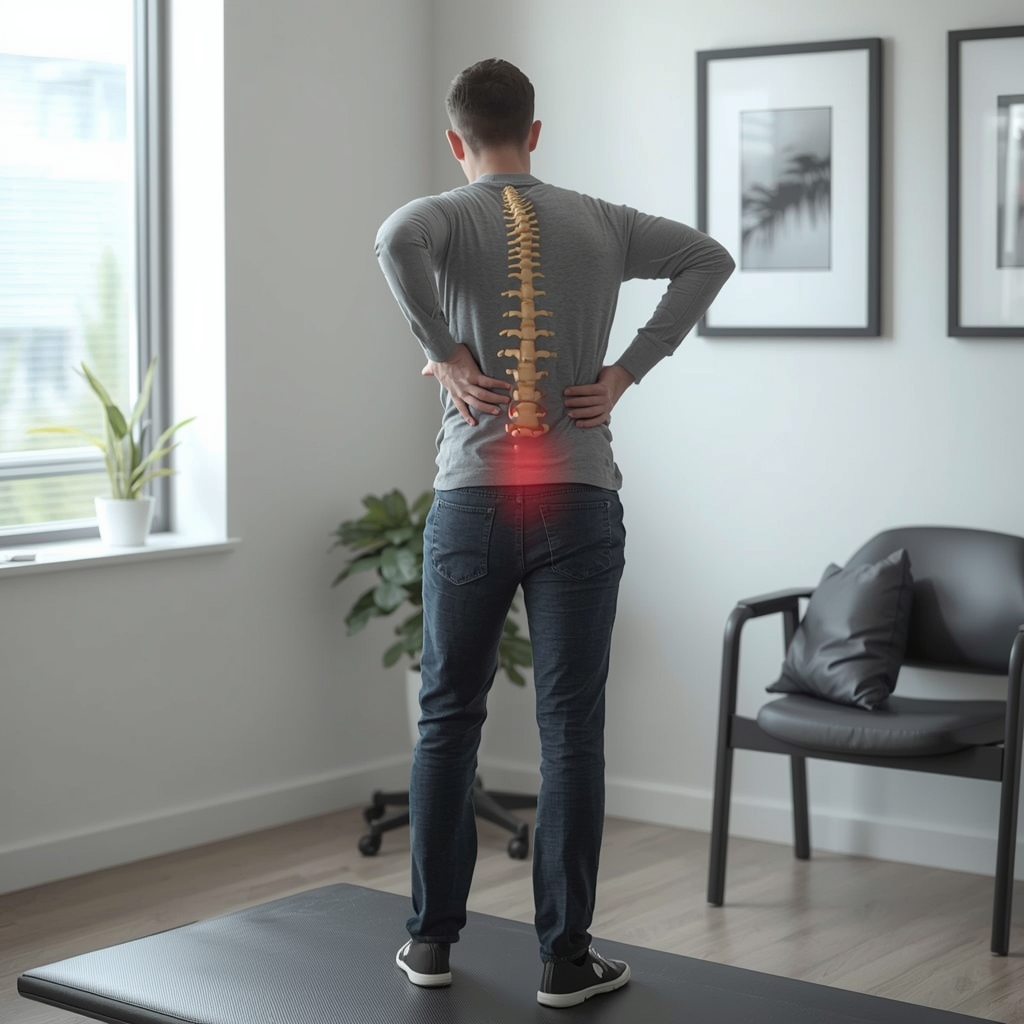
Understanding the Spinal-Pelvic Connection to Knee Pain
Pelvic misalignment can create a chain reaction of musculoskeletal strain, often leading to knee pain. The pelvis serves as a critical link between the lower back and legs, and when its position is altered, it affects weight distribution and joint mechanics. This imbalance may cause the knee to bear uneven pressure, leading to discomfort or injury. Spinal adjustments and gait analysis are two approaches that address this interconnected system, targeting both structural and functional contributors to pain. By restoring proper alignment and movement patterns, these techniques aim to alleviate knee strain and improve overall biomechanics. However, they should always be part of a broader care plan guided by a qualified healthcare provider.
Spinal Adjustments for Pelvic Realignment
Spinal adjustments, particularly those focusing on the pelvis, are designed to correct misalignments that disrupt normal movement. Techniques like the Diversified or Gonstead methods involve precise manual manipulations to restore proper joint function. When the pelvis is properly aligned, it reduces compensatory stresses on the knees, potentially easing pain. These adjustments may also improve nerve function, which can enhance muscle coordination and reduce inflammation. While effectiveness varies by individual, many patients report improved mobility and reduced discomfort after targeted spinal care. It’s important to note that adjustments should be performed by a licensed chiropractor to ensure safety and optimal outcomes.
Gait Analysis: Assessing Movement Patterns
Gait analysis evaluates how a person walks, identifying abnormalities that may contribute to knee pain. By observing stride length, foot placement, and pelvic motion, practitioners can detect imbalances caused by pelvic misalignment. Advanced tools like pressure sensors or video analysis may be used to pinpoint specific issues. This data helps tailor interventions, such as custom orthotics or targeted exercises, to correct faulty movement patterns. Gait analysis also informs spinal adjustments by highlighting how misalignments affect walking mechanics. When combined with other treatments, it offers a comprehensive approach to addressing the root causes of knee discomfort.
How Spinal Adjustments Complement Physical Therapy
Physical therapy often focuses on strengthening muscles and improving flexibility, but it may not address underlying structural issues like pelvic misalignment. Spinal adjustments can enhance physical therapy outcomes by correcting these imbalances, allowing exercises to be more effective. For example, a properly aligned pelvis may reduce strain on the knee during rehabilitation exercises, making them safer and more beneficial. Conversely, physical therapy can support spinal adjustments by reinforcing proper movement habits. This synergy ensures that both structural and functional aspects of knee pain are addressed, promoting faster recovery and long-term relief.
Integrating Gait Analysis with Rehabilitation Strategies
Gait analysis provides valuable insights that can be integrated into rehabilitation plans to optimize knee pain management. By identifying irregularities in walking patterns, healthcare providers can design personalized interventions that target specific weaknesses or compensations. For instance, if gait analysis reveals excessive inward rotation of the knee, a combination of spinal adjustments and targeted exercises may be recommended to correct this. This approach ensures that treatment addresses both the symptoms and the underlying causes of pain. When combined with physical therapy, gait analysis helps create a holistic strategy that supports sustainable recovery and prevents future complications.
Consulting Professionals for Personalized Care
While spinal adjustments and gait analysis offer promising benefits, their effectiveness depends on individual needs and proper implementation. A chiropractor can assess pelvic alignment and recommend adjustments, while a physical therapist can develop a rehabilitation plan tailored to the patient’s condition. Collaboration between these professionals ensures a cohesive approach to knee pain management. Patients should discuss their options with qualified providers to determine the best combination of treatments. By prioritizing personalized care, individuals can achieve more effective and lasting relief from knee discomfort caused by pelvic misalignment.















