
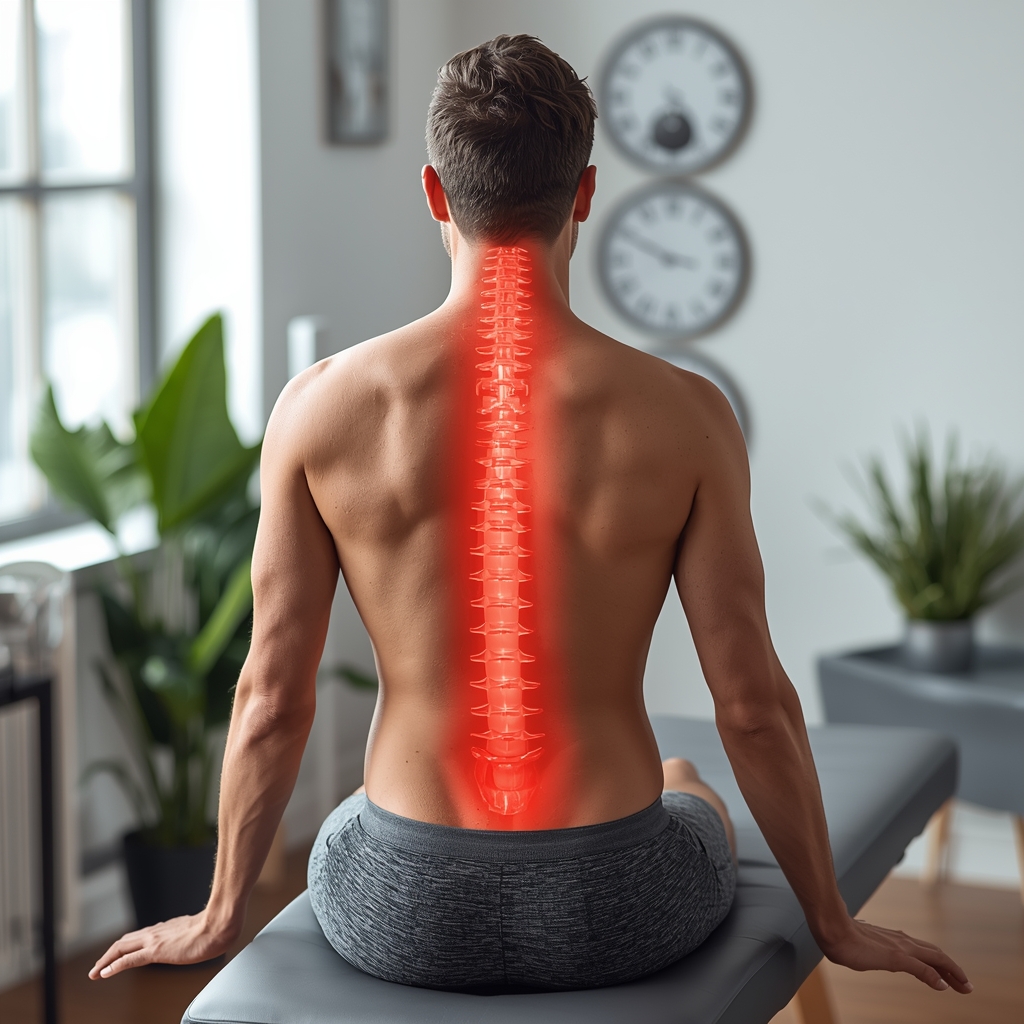
Understanding Active Release Technique (ART) and IT Band Syndrome
Active Release Technique (ART) is a specialized soft tissue therapy designed to address issues caused by scar tissue and adhesions in muscles, tendons, and ligaments. IT band syndrome, a common condition among athletes, occurs when the iliotibial band—a thick band of fascia running along the outer thigh—becomes inflamed or restricted due to repetitive motion. Adhesions in this area can lead to pain, reduced mobility, and chronic discomfort. ART targets these adhesions by applying precise pressure while the patient moves the affected limb, restoring normal tissue function. This approach is particularly beneficial for athletes, as it addresses the root cause of their symptoms rather than just masking pain. By focusing on soft tissue health, ART helps athletes maintain performance and prevent recurring injuries.
Identifying Adhesions Through ART Assessment
During an ART session for IT band syndrome, the chiropractor first evaluates the affected area to locate adhesions. This involves palpating the IT band while the patient performs specific movements to identify restricted zones. The therapist looks for tightness, nodules, or areas of tenderness that indicate scar tissue buildup. This assessment is critical, as it guides the targeted application of ART. By combining patient movement with manual pressure, the practitioner can isolate the exact sites of adhesion. This process not only confirms the presence of soft tissue restrictions but also helps tailor the treatment to the individual’s needs. For athletes, this precision is essential, as even minor adhesions can disrupt biomechanics and lead to compensatory injuries. The assessment phase ensures that ART addresses the specific issues contributing to IT band syndrome.
How ART Breaks Down Soft Tissue Adhesions
Once adhesions are identified, the ART practitioner applies controlled pressure to the affected tissue while guiding the patient through a series of movements. This combination of tension and motion helps separate the adhered fibers, restoring normal gliding between tissues. The therapist adjusts the pressure and movement patterns based on the patient’s response, ensuring the technique is both effective and comfortable. For IT band syndrome, this process targets the tight, fibrotic areas along the band, reducing inflammation and improving flexibility. By breaking down adhesions, ART alleviates pain and restores range of motion, which is vital for athletes returning to activity. The technique also promotes blood flow and lymphatic drainage, accelerating the body’s natural healing processes. This hands-on approach is particularly valuable for athletes, as it addresses the mechanical causes of their condition without invasive procedures.
Benefits of ART for Athletes with IT Band Syndrome
ART offers several advantages for athletes struggling with IT band syndrome. By directly addressing soft tissue adhesions, it reduces pain and improves mobility, allowing athletes to return to their sport more quickly. The technique also helps prevent future injuries by restoring proper biomechanics and tissue function. Athletes often report increased flexibility and reduced discomfort after ART sessions, which can enhance performance and endurance. Additionally, ART is non-invasive and avoids the need for medications or surgery, making it a preferred option for many. For runners, cyclists, and other athletes, this therapy can be a key component of a comprehensive recovery plan. It complements other treatments like stretching and strength training, ensuring a holistic approach to healing. By targeting the root cause of IT band syndrome, ART supports long-term athletic performance and injury prevention.
Integrating ART with Other Therapies for Optimal Results
While ART is highly effective, it is often most successful when combined with other therapeutic approaches. For IT band syndrome, this may include stretching exercises, strength training, and gait analysis to address underlying biomechanical issues. Physical therapists may recommend specific stretches to lengthen the IT band and surrounding muscles, while chiropractors can use ART to release adhesions. Foam rolling and myofascial release techniques can also complement ART by maintaining tissue mobility. Athletes should work with a multidisciplinary team to create a personalized plan that addresses all contributing factors. This integrated approach not only enhances the effectiveness of ART but also reduces the risk of recurrence. By combining manual therapy with rehabilitative exercises, athletes can achieve lasting relief and improved performance.
When to Consider ART for IT Band Syndrome
Athletes experiencing persistent IT band pain, limited range of motion, or recurring discomfort should consider consulting a chiropractor trained in ART. This therapy is particularly useful when traditional treatments like rest, ice, or anti-inflammatory medications provide only temporary relief. A qualified practitioner can assess whether adhesions are contributing to the condition and determine if ART is an appropriate intervention. It is important to seek care early to prevent chronic issues and reduce downtime. While ART is not a substitute for medical evaluation, it can be a valuable tool in a comprehensive treatment strategy. Athletes should discuss their symptoms and goals with a healthcare provider to explore whether ART aligns with their recovery plan. Proper guidance ensures that the therapy is applied safely and effectively.













