
Understanding IT Band Syndrome in Non-Athletic Populations
Iliotibial Band Syndrome (ITBS) is a common condition characterized by pain along the outer side of the knee, often caused by friction of the iliotibial band over the femur. While frequently associated with athletes, non-athletic individuals can also develop chronic ITBS due to repetitive motions, poor posture, or prolonged sitting. Daily activities like walking, climbing stairs, or even sitting at a desk for long periods may strain the IT band, leading to inflammation and discomfort. Unlike acute injuries, chronic ITBS persists over time, often resisting conventional treatments. This condition can significantly impact mobility and quality of life, making it essential to explore effective, non-invasive solutions like Active Release Technique (ART).
What Is Active Release Technique (ART)?
Active Release Technique (ART) is a soft tissue therapy that targets adhesions, scar tissue, and muscle imbalances to restore normal function. Developed by Dr. Michael Leahy, ART combines examination and treatment, using specific movements to engage the affected tissues while the practitioner applies pressure. This method is particularly effective for conditions involving overuse or repetitive strain, as it addresses the root cause of discomfort rather than just the symptoms. For ITBS, ART focuses on the iliotibial band and surrounding muscles, such as the glutes and hip flexors, to reduce tension and improve mobility. By breaking down restrictive scar tissue and restoring proper movement patterns, ART offers a targeted approach to chronic ITBS in non-athletic populations.
How ART Addresses Chronic ITBS
Chronic ITBS often involves tightness or adhesions in the iliotibial band, which can restrict movement and cause persistent pain. ART addresses these issues by manually manipulating the affected tissues while the patient performs specific movements. This dynamic approach helps to separate adhered tissues, reduce inflammation, and enhance blood flow to the area. For non-athletes, who may not engage in high-impact activities, ART can be tailored to their lifestyle, focusing on postural imbalances or repetitive motions that contribute to the condition. By restoring flexibility and function, ART can alleviate pain and prevent further complications. The technique also emphasizes patient engagement, ensuring that individuals understand how to avoid behaviors that exacerbate ITBS. This holistic strategy makes ART a viable option for long-term management of chronic ITBS in everyday patients.
The Role of a Chiropractor in ART Treatment
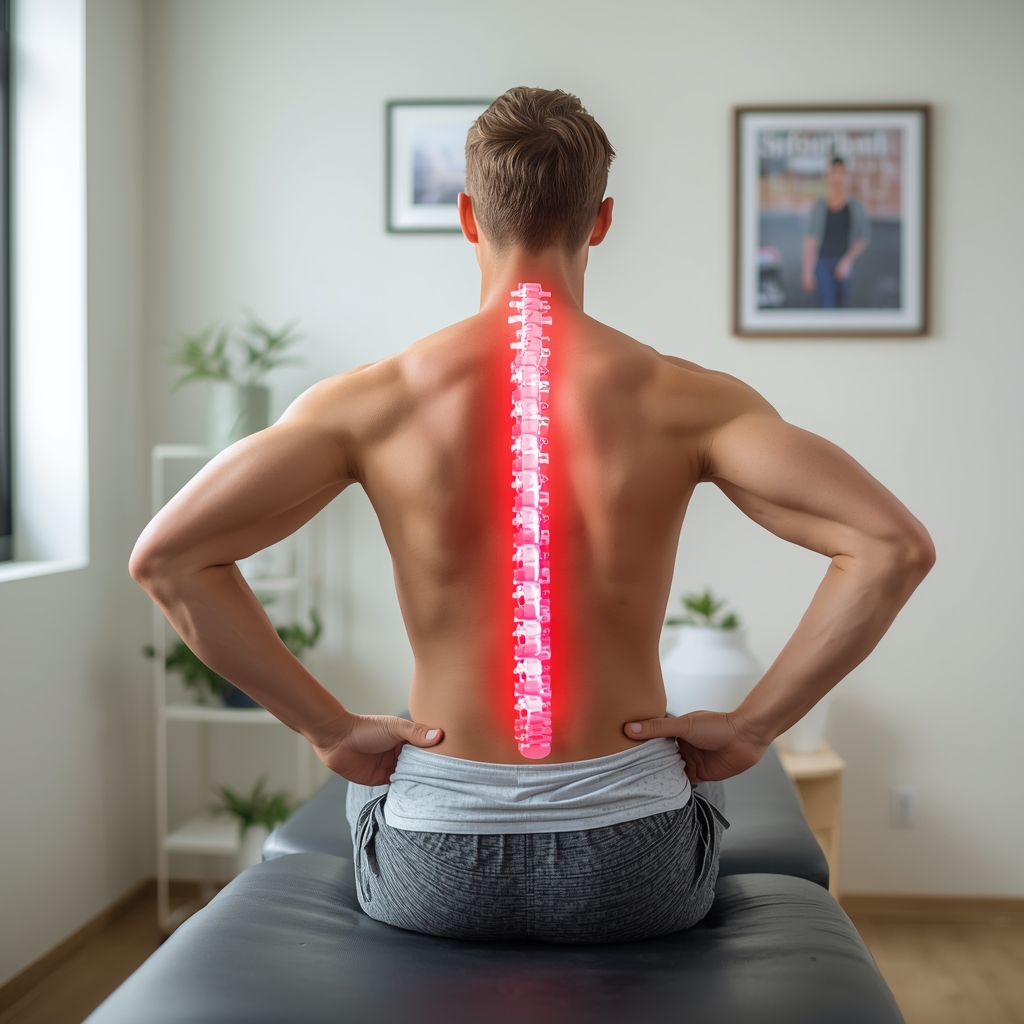
A chiropractor trained in ART plays a critical role in diagnosing and treating chronic ITBS. During an initial assessment, the chiropractor evaluates the patient’s movement patterns, identifies areas of restriction, and determines the best approach for treatment. The session typically involves the chiropractor applying pressure to the IT band while guiding the patient through controlled movements to release tension. This hands-on technique requires precision and expertise to ensure safety and effectiveness. For non-athletic individuals, the chiropractor may adjust the intensity and focus of the treatment to align with their daily activities and goals. Regular sessions can help maintain progress and prevent recurrence. By working closely with a qualified provider, patients can maximize the benefits of ART and achieve lasting relief from chronic ITBS.
Combining ART With Lifestyle Adjustments
While ART is highly effective, its success often depends on complementary lifestyle changes. Non-athletic individuals with chronic ITBS may benefit from modifying repetitive activities, improving posture, and incorporating gentle stretching routines. For example, adjusting seating ergonomics or taking frequent breaks during sedentary tasks can reduce strain on the IT band. Additionally, strengthening the hip and core muscles can provide better support for the lower body, preventing future issues. A chiropractor may recommend these adjustments alongside ART to create a comprehensive treatment plan. Patients are encouraged to communicate openly with their provider about their daily routines, as this information helps tailor the approach to their unique needs. By integrating ART with proactive lifestyle habits, individuals can achieve long-term relief and improved mobility.
Considering ART for Chronic ITBS
Active Release Technique offers a targeted, non-invasive solution for chronic ITBS, particularly for non-athletic individuals who may not have access to or prefer traditional therapies. By addressing the root causes of discomfort, ART can significantly reduce pain and restore function. However, it is essential to consult a qualified chiropractor to determine if ART is suitable for your specific condition. Each patient’s situation is unique, and a professional evaluation ensures safe and effective treatment. While ART is not a substitute for medical advice, it can be a valuable component of a broader care plan. For those seeking relief from persistent ITBS, exploring ART under the guidance of a skilled provider may provide the breakthrough they need to regain comfort and mobility.












