
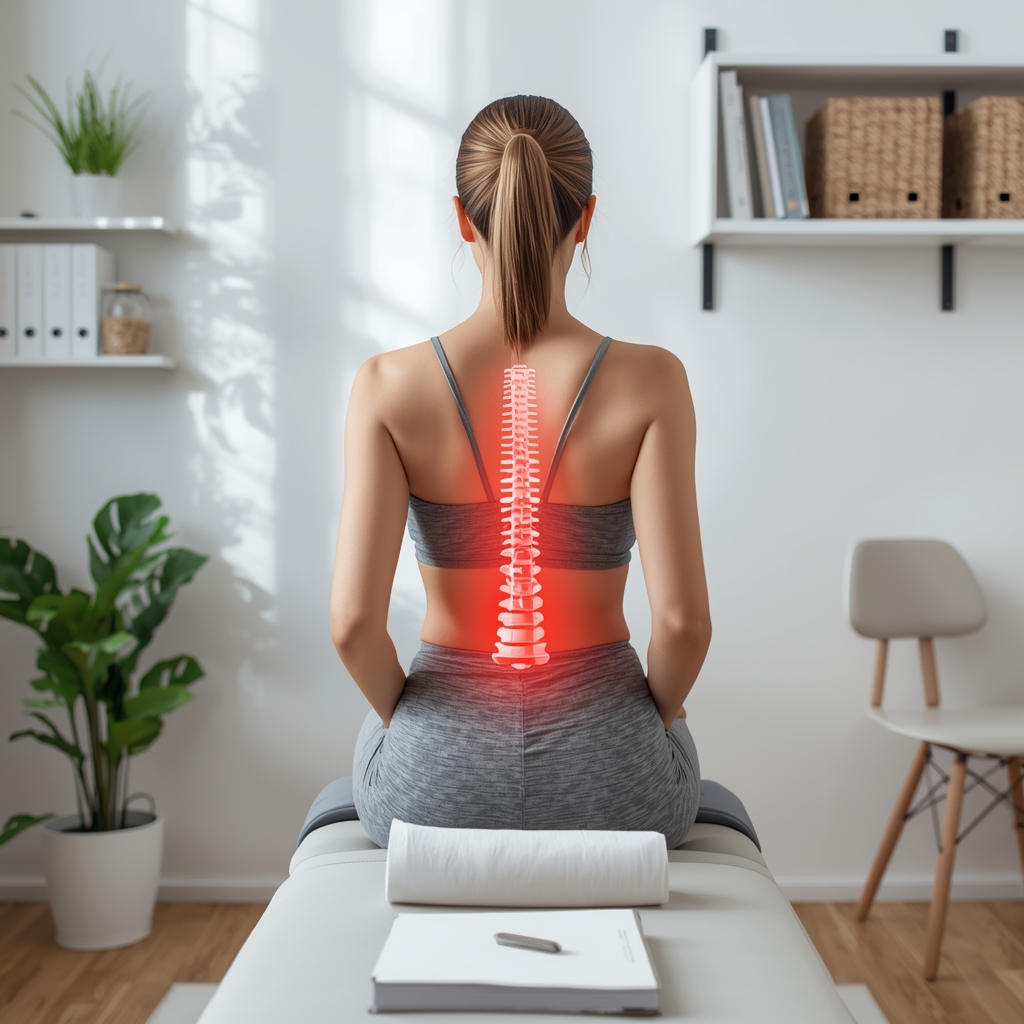
Understanding the Role of Massage Therapy in Chronic Lower Back Pain
Massage therapy can play a valuable role in managing chronic lower back pain by addressing muscle tension, improving circulation, and promoting relaxation. When integrated with chiropractic adjustments, it may enhance overall treatment outcomes by targeting both musculoskeletal and neuromuscular factors. Chronic lower back pain often involves tight muscles, restricted movement, and nerve sensitivity, which massage can help alleviate. However, it is important to approach this combination carefully, ensuring that both therapies are administered by qualified professionals. Patients should communicate openly with their chiropractor and massage therapist to tailor the treatment plan to their specific needs. While massage can complement chiropractic care, it is not a substitute for spinal adjustments or other evidence-based interventions. The goal is to create a balanced approach that supports the body's natural healing processes without causing additional strain or discomfort.
How Chiropractic Adjustments and Massage Therapy Complement Each Other
Chiropractic adjustments focus on realigning the spine and improving joint function, while massage therapy targets soft tissues to reduce pain and stiffness. Together, they can address multiple contributing factors to chronic lower back pain. For example, a chiropractor may identify misalignments that compress nerves or restrict movement, while a massage therapist can release tight muscles that exacerbate these issues. This combined approach may lead to more effective pain relief and faster recovery. However, the sequence and timing of treatments matter. Some practitioners recommend starting with chiropractic adjustments to address structural imbalances before using massage to relax surrounding muscles. Others may alternate treatments based on the patient’s condition. The key is to ensure that both therapies are coordinated to avoid conflicting effects. Patients should work with their care team to determine the optimal integration strategy for their unique situation.
Best Practices for Scheduling and Timing Treatments
Effective integration of massage therapy and chiropractic adjustments requires thoughtful planning. Patients should discuss their treatment schedule with both their chiropractor and massage therapist to avoid overstimulating the body or undermining progress. For instance, some experts suggest spacing sessions a few days apart to allow the body to adapt to each intervention. If a patient receives an adjustment, waiting 24–48 hours before a massage may help stabilize the spine before addressing soft tissues. Conversely, a massage session might be scheduled first to prepare the body for an adjustment by reducing muscle tension. Consistency is also important—regular, ongoing care often yields better results than sporadic treatments. Patients should track their symptoms and communicate any changes to their providers, as individual responses can vary. By establishing a clear treatment timeline, patients can maximize the benefits of both therapies while minimizing potential risks.
Preparing for Integrated Care: Patient Considerations
Before beginning an integrated approach to chronic lower back pain, patients should take steps to ensure their safety and comfort. This includes providing a complete medical history to both the chiropractor and massage therapist, as certain conditions or medications may affect treatment options. Patients should also discuss their pain levels, mobility limitations, and any previous experiences with either therapy. Open communication is essential to avoid unnecessary discomfort or complications. For example, individuals with severe disc issues or osteoporosis may require modified techniques to prevent injury. Additionally, patients should be aware of what to expect during each session, including potential temporary soreness or increased flexibility. It is important to approach integrated care with realistic expectations and a willingness to adapt the plan as needed. By actively participating in their care, patients can help their providers create a personalized, effective treatment strategy.
Monitoring Progress and Adjusting the Treatment Plan
Regularly assessing the effectiveness of integrated care is crucial for long-term success. Patients should keep a journal to track their pain levels, mobility, and overall well-being before and after each session. This documentation can help identify patterns and guide adjustments to the treatment plan. If certain techniques or frequencies are not yielding desired results, the care team can explore alternative approaches. For example, if massage alone does not provide sufficient relief, the chiropractor may recommend additional spinal work or complementary therapies. Conversely, if adjustments cause temporary discomfort, the massage therapist might modify their techniques to support recovery. Flexibility and collaboration are key—both practitioners should remain open to feedback and willing to refine their strategies. By maintaining an ongoing dialogue, patients and providers can ensure that the integrated approach remains safe, effective, and aligned with the patient’s goals.
When to Consult a Healthcare Professional
While integrating massage therapy with chiropractic care can be beneficial, it is not a one-size-fits-all solution. Patients should consult a licensed chiropractor or other healthcare provider before starting any new treatment, especially if they have underlying health conditions or are taking medications. Certain circumstances, such as severe spinal instability, recent injuries, or infections, may require special precautions or alternative approaches. It is also important to seek professional guidance if symptoms worsen or new issues arise during treatment. A qualified provider can evaluate the patient’s progress and determine whether adjustments to the care plan are necessary. Patients should never delay or avoid conventional medical care in favor of complementary therapies. By working with experienced professionals, individuals can safely explore integrated options while ensuring their overall health and well-being remain a priority.













