
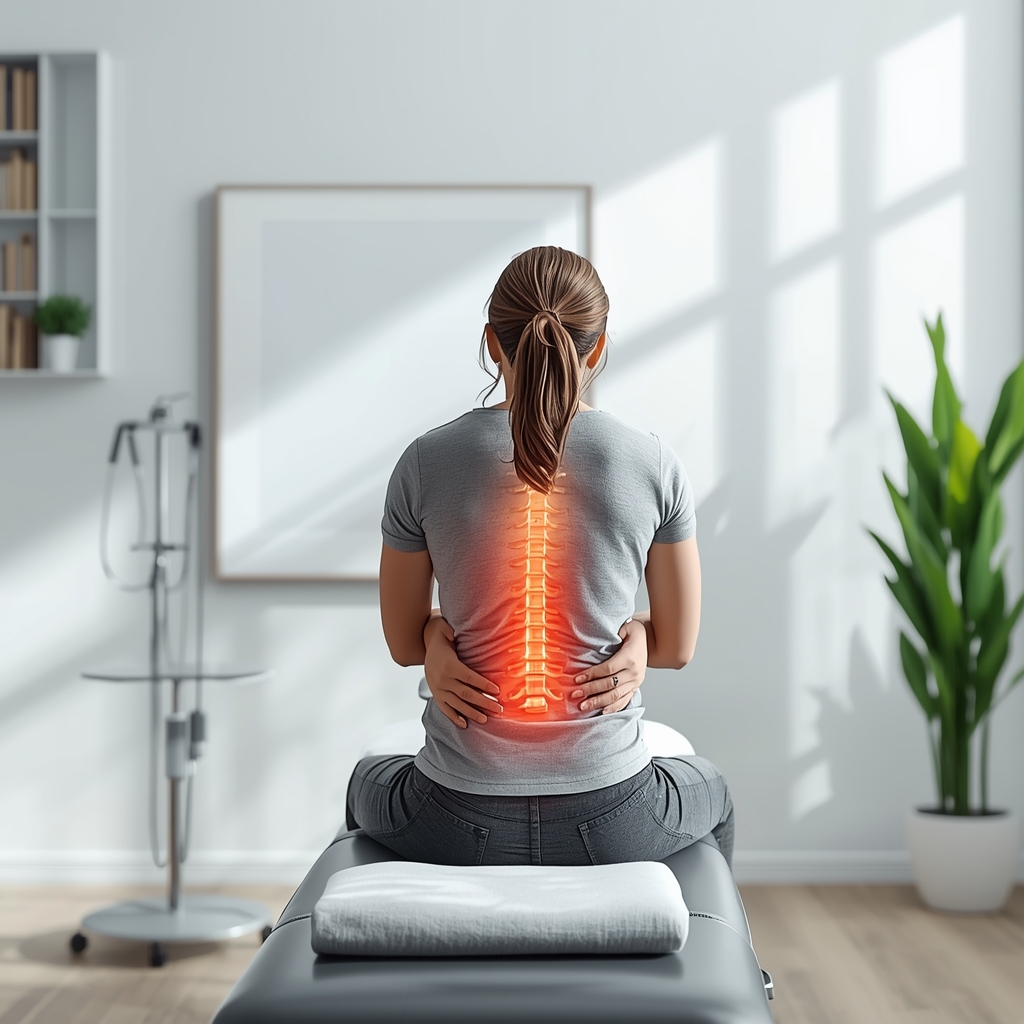
Understanding the Synergistic Effects of Chiropractic and Massage Therapy
Combining chiropractic adjustments with massage therapy offers a holistic approach to managing chronic lower back pain. Chiropractic care focuses on aligning the spine to alleviate pressure on nerves and improve musculoskeletal function, while massage therapy targets soft tissues to reduce tension and enhance circulation. Together, these modalities address both structural and muscular components of pain. Research suggests that integrated treatments can lead to faster recovery and more sustained relief compared to either method alone. Patients often report improved mobility and reduced discomfort when these therapies are used in tandem. However, it is essential to consult a qualified chiropractor and massage therapist to tailor the approach to individual needs, ensuring safety and effectiveness.
Relieving Muscle Tension and Improving Spinal Alignment
Chronic lower back pain frequently stems from muscle imbalances and spinal misalignments. Chiropractic adjustments realign the vertebrae, reducing nerve irritation and restoring proper biomechanics. Massage therapy complements this by relaxing tight muscles, breaking up adhesions, and improving flexibility. When combined, these treatments create a feedback loop: a properly aligned spine allows muscles to function optimally, while relaxed muscles support and maintain spinal stability. This synergy can reduce the frequency and intensity of pain episodes. For example, a patient with a herniated disc might benefit from adjustments to decompress the spine and massage to ease surrounding muscle spasms. Such integrated care addresses both the root and symptoms of discomfort.
Enhancing Pain Relief Through Combined Mechanisms
The dual approach of chiropractic and massage therapy leverages multiple pathways to relieve chronic lower back pain. Chiropractic adjustments stimulate the nervous system, releasing endorphins that naturally reduce pain. Massage therapy increases blood flow, delivering oxygen and nutrients to damaged tissues while removing metabolic waste. This combined effect can lead to more profound and lasting pain relief than either treatment alone. Additionally, the psychological benefits of massage—such as stress reduction—can indirectly ease physical discomfort. Patients often experience a sense of overall well-being, which may improve adherence to long-term management plans. However, results vary, and a healthcare provider should guide the treatment strategy to ensure it aligns with the patient’s specific condition.
Reducing Inflammation and Improving Circulation
Inflammation is a common contributor to chronic lower back pain, and both chiropractic and massage therapies can help mitigate it. Chiropractic adjustments may reduce mechanical stress on joints and tissues, decreasing inflammatory responses. Massage therapy, on the other hand, promotes lymphatic drainage and improves blood circulation, which aids in removing inflammatory agents and delivering healing nutrients. This dual action can accelerate tissue repair and reduce swelling. For instance, a patient with facet joint arthritis might find relief as adjustments minimize joint stress and massage eases surrounding muscle inflammation. The combined effect often results in less pain and greater functional mobility. Still, it is crucial to work with professionals who can monitor progress and adjust treatments as needed.
Supporting Nervous System Function and Recovery
The nervous system plays a central role in chronic lower back pain, and both chiropractic and massage therapies influence its function. Spinal adjustments can correct subluxations—misalignments that interfere with nerve signals—thereby improving communication between the brain and body. Massage therapy reduces stress hormones like cortisol, which can exacerbate pain and inflammation. This dual impact on the nervous system can enhance the body’s natural healing processes. Patients may experience improved sleep, reduced anxiety, and better pain management as a result. However, the exact mechanisms are complex and not fully understood, so individual responses may vary. A healthcare provider can help determine the most effective combination of therapies for each patient’s unique situation.
Long-Term Outcomes and Patient Satisfaction
Patients who combine chiropractic adjustments with massage therapy often report improved long-term outcomes for chronic lower back pain. Regular sessions can lead to sustained pain reduction, better posture, and increased range of motion. The integrated approach also empowers patients to take an active role in their care, whether through home exercises, ergonomic adjustments, or lifestyle changes. Studies indicate that such multimodal treatments may reduce the need for medications or invasive procedures over time. However, success depends on consistent follow-up and personalized care plans. While many patients find relief, others may require additional interventions. It is essential to maintain open communication with healthcare providers to refine the treatment strategy and achieve the best possible results.














