
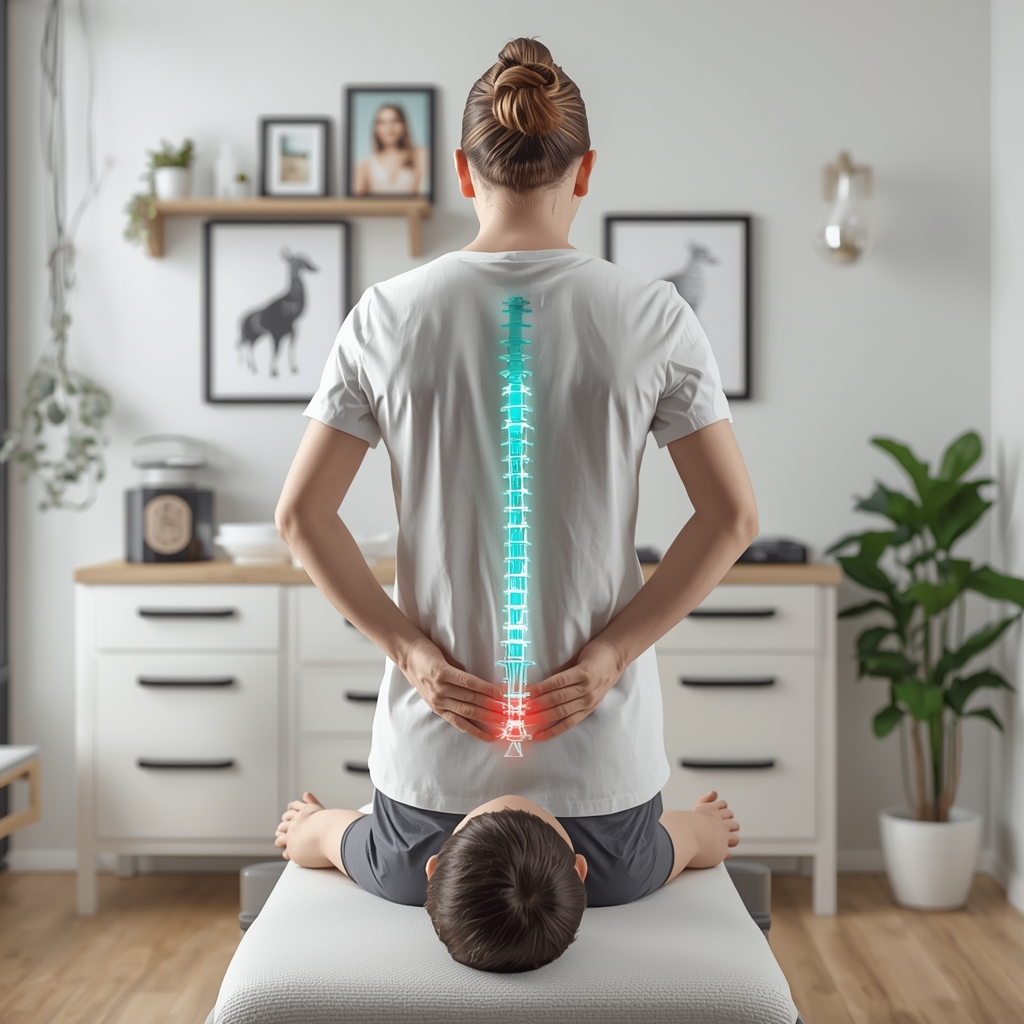
The Role of Massage Therapy in Chronic Lower Back Pain
Massage therapy plays a vital role in managing chronic lower back pain by targeting muscle tension, improving circulation, and reducing inflammation. When combined with spinal adjustments, it helps address both the structural and muscular components of pain. Techniques like deep tissue massage or myofascial release can alleviate tightness in the lumbar region, which often contributes to discomfort. By relaxing overactive muscles, massage creates a more receptive environment for spinal adjustments, allowing for greater mobility and effectiveness. This dual approach also promotes faster recovery by reducing the body’s stress response and enhancing overall relaxation. Many patients report improved pain management and increased range of motion after integrating these therapies.
How Spinal Adjustments Address Structural Issues
Spinal adjustments, a cornerstone of chiropractic care, focus on correcting misalignments in the spine that may contribute to chronic lower back pain. These adjustments restore proper joint function, reduce nerve irritation, and improve biomechanical balance. When the spine is properly aligned, it alleviates pressure on surrounding nerves and muscles, which can significantly reduce pain and discomfort. Chiropractors use precise, controlled movements to realign vertebrae, often resulting in immediate relief for patients. However, adjustments alone may not address underlying muscular imbalances or tightness. This is where massage therapy becomes essential, as it complements adjustments by targeting soft tissue restrictions that could hinder long-term progress. Together, these therapies create a holistic approach to pain management.
Synergistic Effects of Combined Treatments
The combination of massage therapy and spinal adjustments creates a synergistic effect that enhances overall treatment outcomes. Massage therapy prepares the body for adjustments by loosening tight muscles and increasing blood flow, which can make the adjustment process more comfortable and effective. Conversely, spinal adjustments can improve the alignment of the spine, allowing massage techniques to work more efficiently on the surrounding musculature. This integrated approach addresses both the structural and soft tissue aspects of chronic lower back pain, leading to more sustainable relief. Patients often experience reduced pain, improved flexibility, and better posture after consistent treatment. Additionally, the relaxation induced by massage helps the body recover faster from the adjustments, minimizing soreness and promoting long-term wellness. This collaboration between modalities underscores the value of a multidisciplinary approach to chronic pain management.
Personalized Treatment Plans for Chronic Pain
Every individual’s experience with chronic lower back pain is unique, requiring tailored treatment plans that combine massage therapy and spinal adjustments. Chiropractors assess a patient’s specific condition, lifestyle, and goals to design a customized approach. For example, someone with muscle spasms may benefit from frequent massage sessions paired with periodic adjustments, while another patient might need a focus on postural correction. The integration of these therapies allows for flexibility in addressing both acute and long-term issues. By regularly evaluating progress, chiropractors can adjust the treatment plan to ensure optimal results. This personalized strategy not only maximizes the effectiveness of each modality but also empowers patients to take an active role in their recovery. Ultimately, a collaborative, individualized plan fosters better outcomes and a more comfortable, functional life.
Benefits of an Integrated Approach
Combining massage therapy with spinal adjustments offers numerous benefits for individuals suffering from chronic lower back pain. This integrated approach addresses both the physical and neurological aspects of pain, leading to more comprehensive relief. Massage therapy reduces muscle tension and improves circulation, while spinal adjustments correct misalignments that may cause nerve compression. Together, they enhance mobility, decrease inflammation, and promote natural healing processes. Patients often experience reduced reliance on medication and a lower risk of recurring pain. The combined therapies also support the body’s ability to self-regulate, fostering long-term wellness. Additionally, the relaxation induced by massage can alleviate stress, which is a common contributor to chronic pain. By addressing multiple factors simultaneously, this approach provides a holistic solution that supports both immediate comfort and lasting recovery.
Consulting a Qualified Chiropractor for Customized Care
For individuals seeking relief from chronic lower back pain, consulting a qualified chiropractor is essential to develop a safe and effective treatment plan. A licensed chiropractor can evaluate the specific causes of pain and recommend a combination of massage therapy and spinal adjustments tailored to the patient’s needs. It is important to choose a practitioner with experience in integrative care to ensure proper technique and safety. During the initial consultation, the chiropractor may discuss the patient’s medical history, lifestyle, and goals to create a personalized strategy. Regular follow-ups allow for adjustments to the plan as the patient progresses. Patients should communicate openly about their comfort levels and any changes in symptoms. By working closely with a skilled chiropractor, individuals can maximize the benefits of combined therapies and achieve lasting relief from chronic lower back pain.











