
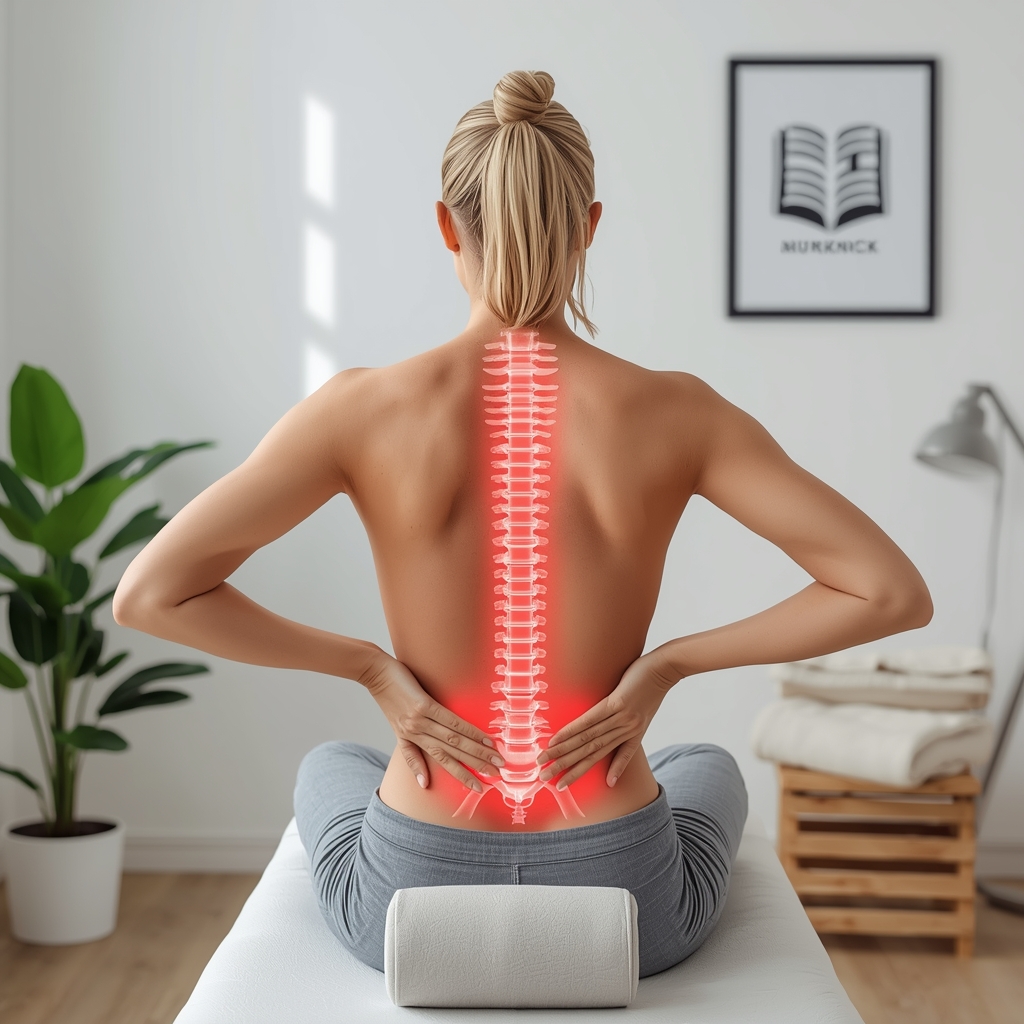
Understanding Myofascial Release and Massage Therapy
Myofascial release (MFR) is a soft tissue therapy targeting the fascia, the connective tissue surrounding muscles, to alleviate pain and improve mobility. Massage therapy, broader in scope, manipulates muscles and soft tissues to reduce tension, enhance circulation, and promote relaxation. For chronic lower back pain, combining these approaches addresses both muscular restrictions and systemic tension. MFR specifically targets trigger points and adhesions, while massage therapy provides a holistic relaxation effect. Chiropractors can integrate these techniques by first assessing the patient’s fascial restrictions through palpation and movement tests, then applying MFR to release tight areas before using massage to further relax surrounding muscles. This synergy can enhance treatment outcomes by addressing pain from multiple angles without duplicating efforts.
Assessment and Treatment Planning
Effective integration begins with a thorough assessment to identify fascial restrictions and muscular imbalances contributing to chronic lower back pain. Chiropractors may use techniques like range-of-motion testing, palpation, and postural analysis to pinpoint areas requiring myofascial release. Once identified, treatment plans should prioritize MFR for localized tightness while incorporating massage therapy to address broader musculature. For example, if a patient has lumbar fascial adhesions, MFR can be applied to the paraspinal muscles, followed by a full-body massage to reduce overall tension. This approach ensures that both the root cause and secondary contributors to pain are addressed. Chiropractors should also consider the patient’s pain history, lifestyle, and response to previous treatments when designing a personalized plan. Regular reassessments allow adjustments to the strategy, ensuring continuous progress without over-reliance on any single technique.
Techniques for Seamless Integration
Chiropractors can blend myofascial release with massage therapy by using complementary techniques that enhance each other’s effects. For instance, applying MFR with a foam roller or handheld tool to the erector spinae muscles before a massage session can loosen tight fascia, making subsequent massage more effective. During the massage, the practitioner can focus on areas identified during MFR, such as the gluteals or hamstrings, which often compensate for lower back dysfunction. Trigger point therapy, a subset of MFR, involves applying sustained pressure to knots in the muscle, which can be followed by effleurage (long, gliding strokes) in massage to further relax the tissue. Additionally, myofascial release techniques like cross-fiber friction can be used to break down scar tissue, while deep tissue massage addresses underlying muscle tension. This layered approach ensures that both superficial and deep tissues are treated, promoting comprehensive pain relief and improved mobility.
The Role of Chiropractic Adjustments
While myofascial release and massage therapy focus on soft tissues, chiropractic adjustments address spinal misalignments that may contribute to chronic lower back pain. Integrating these modalities requires coordination to ensure they work in harmony. For example, after MFR and massage to reduce muscle tension, a chiropractor can perform adjustments to realign the spine, reducing pressure on nerves and improving joint function. This sequence prevents the muscles from re-tightening due to unresolved structural issues. Conversely, adjustments may be done first to improve mobility, making MFR more effective by allowing greater access to restricted areas. The timing and order of these interventions depend on the patient’s condition and response. Chiropractors should also monitor for signs of over-treatment, such as increased pain or stiffness, and adjust the plan accordingly. By combining these approaches, practitioners can create a balanced treatment strategy that addresses both mechanical and muscular components of lower back pain.
Patient Education and Home Care
Empowering patients with self-care strategies is crucial for long-term relief from chronic lower back pain. Chiropractors can educate patients on how to perform basic myofascial release techniques at home, such as using a foam roller or tennis ball to target tight areas like the lower back and hips. They can also recommend specific stretches and postural corrections to complement in-office treatments. For example, teaching patients to perform cat-cow stretches or child’s pose can help maintain flexibility and reduce tension. Additionally, patients should be advised on proper ergonomics, such as adjusting chair height or using lumbar support, to prevent exacerbating their condition. Massage therapy can also be integrated into home care through guided self-massage techniques or the use of handheld massagers. By fostering patient engagement, chiropractors reinforce the benefits of combined therapies and promote sustainable pain management. Regular follow-ups ensure that patients stay on track and make necessary adjustments to their routines.
Benefits and Outcomes of Combined Approaches
Combining myofascial release with massage therapy offers a multifaceted approach to managing chronic lower back pain, addressing both muscular and structural factors. Patients often experience reduced pain intensity, improved range of motion, and enhanced overall function. The integration of these techniques can also decrease reliance on medication by providing non-invasive, drug-free relief. Furthermore, the holistic nature of this approach supports the body’s natural healing processes, promoting long-term wellness. Chiropractors may observe faster recovery times and greater patient satisfaction when these methods are used together. However, outcomes vary based on individual factors such as the severity of the condition and adherence to treatment plans. Regular monitoring and adjustments to the care strategy ensure optimal results. By emphasizing the collaborative potential of MFR and massage therapy, chiropractors can offer patients a comprehensive solution that prioritizes both immediate relief and lasting improvement in their quality of life.














