
Understanding the Synergy Between Massage and Spinal Adjustments
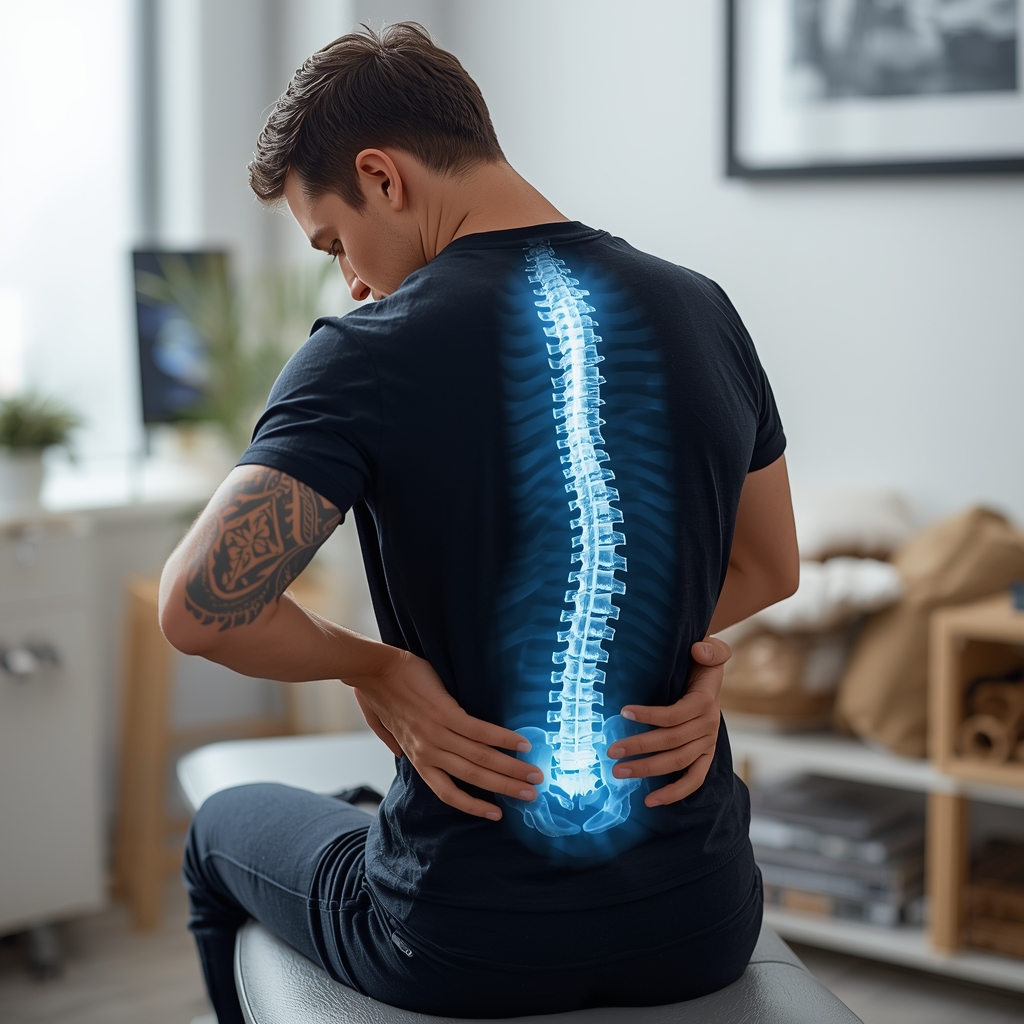
Combining massage therapy with spinal adjustments can create a powerful synergy for addressing acute lower back pain. While spinal adjustments focus on realigning the spine to alleviate nerve pressure and improve mobility, massage therapy targets soft tissues to reduce tension, enhance circulation, and promote relaxation. This integrated approach addresses both structural and muscular components of pain, potentially accelerating recovery. For example, massage can ease muscle spasms that might otherwise hinder the effectiveness of adjustments. By working together, these therapies can break the cycle of pain and stiffness, allowing the body to heal more efficiently. However, it’s essential to consult a qualified chiropractor or massage therapist to tailor techniques to individual needs, ensuring safety and optimal outcomes.
Soft Tissue Therapy for Muscle Relaxation and Pain Relief
Soft tissue therapy, including techniques like deep tissue massage and myofascial release, is often recommended to complement spinal adjustments. These methods target muscles, tendons, and ligaments to reduce knots, improve flexibility, and relieve pain. For acute lower back pain, soft tissue therapy can help loosen tight muscles that may be contributing to spinal misalignment. By addressing these muscular imbalances, therapists can create a more stable environment for spinal adjustments to take effect. This approach also enhances blood flow, which delivers nutrients and oxygen to injured tissues, supporting faster healing. Patients often report reduced discomfort and improved range of motion after combining these therapies. However, the intensity and duration of sessions should be guided by a professional to avoid overstimulation of sensitive areas.
Trigger Point Therapy to Alleviate Localized Pain
Trigger point therapy focuses on identifying and releasing specific areas of muscle tension, known as trigger points, which can refer pain to other parts of the body. In the context of acute lower back pain, this technique can target knots in the erector spinae or gluteal muscles that may be exacerbating spinal strain. By applying sustained pressure or using tools like massage balls, therapists can deactivate these trigger points, reducing localized pain and improving muscle function. This therapy complements spinal adjustments by addressing the root causes of muscle tightness that might otherwise persist after an adjustment. Patients often experience immediate relief from this targeted approach, allowing for more effective spinal realignment in subsequent sessions. It’s important to note that trigger point therapy should be performed by a trained professional to ensure proper technique and avoid injury.
Myofascial Release for Enhanced Mobility and Posture
Myofascial release is a technique that involves applying gentle, sustained pressure to the fascia—the connective tissue surrounding muscles—to relieve tension and improve mobility. For acute lower back pain, this method can help break up adhesions and restore the fascia’s natural elasticity, reducing pain and stiffness. When combined with spinal adjustments, myofascial release supports better posture and alignment by ensuring the surrounding tissues are pliable and supportive. This technique also encourages lymphatic drainage, which can reduce inflammation and speed up recovery. Patients with chronic lower back issues often benefit from regular myofascial release sessions, as it addresses both the structural and soft tissue components of their condition. As with other therapies, it’s crucial to work with a qualified practitioner to avoid overextending tissues or causing additional strain.
Swedish Massage for Overall Relaxation and Circulation
Swedish massage, characterized by long, flowing strokes and gentle kneading, is widely used to promote relaxation and improve circulation. For individuals recovering from acute lower back pain, this technique can help ease muscle tension and reduce stress, which often exacerbates discomfort. Improved circulation from Swedish massage aids in delivering oxygen and nutrients to damaged tissues, facilitating healing. Additionally, the calming effects of this therapy can lower cortisol levels, reducing the body’s stress response that may hinder recovery. While Swedish massage is less intense than other methods, it serves as a valuable complement to spinal adjustments by creating a relaxed state that enhances the effectiveness of other treatments. Patients may find that regular sessions help maintain muscle flexibility and prevent future episodes of back pain. Always ensure the therapist is aware of any specific areas of concern to tailor the session appropriately.
Collaborative Care: Working With Qualified Professionals
The success of combining massage therapy with spinal adjustments relies heavily on collaboration between chiropractors and massage therapists. A coordinated approach ensures that both treatments align with the patient’s unique condition and goals. For instance, a chiropractor might recommend specific massage techniques to prepare the muscles for an adjustment or to maintain alignment after treatment. Conversely, a massage therapist can communicate with the chiropractor to avoid areas that require careful manipulation. This teamwork allows for a more holistic and effective recovery plan. Patients should seek professionals who are licensed and experienced in both modalities to ensure safety and quality care. Open communication between providers and patients is also essential to address any concerns or adjustments needed throughout the recovery process. By prioritizing integrated care, individuals can maximize the benefits of both therapies for long-term relief from lower back pain.










