
Understanding Chronic Neck Pain and Its Impact
Chronic neck pain persists for weeks or months, often stemming from musculoskeletal imbalances, degenerative changes, or repetitive strain. Unlike acute pain, it resists simple solutions and can disrupt daily life, causing headaches, reduced mobility, and emotional stress. Traditional treatments like medication or isolated therapies may offer temporary relief but often fail to address underlying issues. This complexity underscores the need for comprehensive approaches that target both structural and soft-tissue contributors. Integrating massage therapy with spinal adjustments offers a holistic strategy, combining mechanical realignment with muscle relaxation to create lasting relief. By addressing multiple facets of pain, this dual-modality approach aligns with modern pain management principles that prioritize patient-centered, multi-disciplinary care.
How Spinal Adjustments Alleviate Neck Pain
Spinal adjustments, a cornerstone of chiropractic care, focus on correcting misalignments in the cervical spine. These misalignments, or subluxations, can irritate nerves, restrict movement, and contribute to chronic discomfort. Through precise manual techniques, chiropractors restore proper joint function, reducing pressure on nerves and improving biomechanics. This process not only eases pain but also enhances the body’s natural healing capacity. However, adjustments alone may not resolve all contributing factors, such as muscle tension or scar tissue. While effective for structural issues, they work best when paired with therapies that address soft-tissue health, ensuring a more complete recovery. This synergy highlights the value of integrating multiple modalities to achieve optimal outcomes for patients with persistent neck pain.
The Role of Massage Therapy in Pain Relief
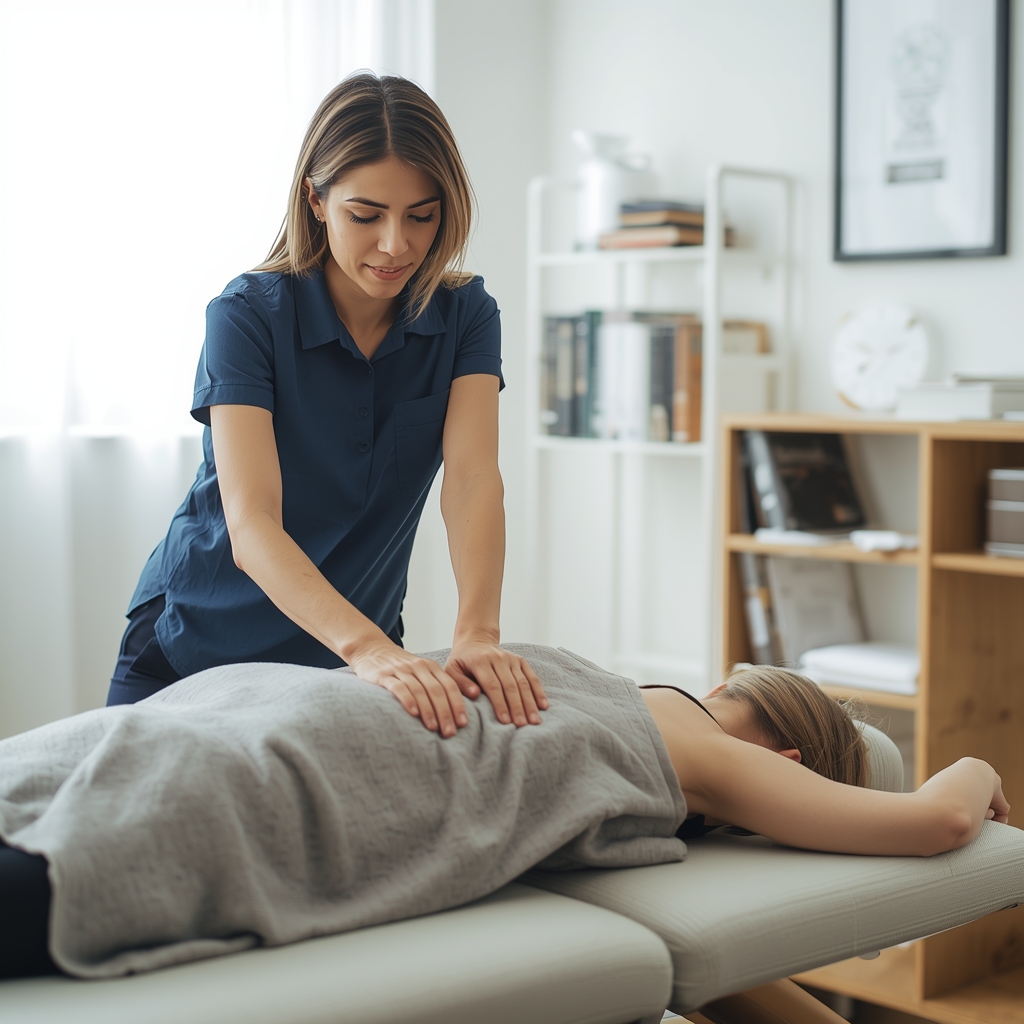
Massage therapy targets the soft tissues of the neck and upper back, addressing muscle tightness, inflammation, and trigger points that exacerbate chronic pain. Techniques like deep tissue work, myofascial release, and Swedish massage increase blood flow, reduce muscle spasms, and promote relaxation. By breaking down adhesions and improving flexibility, massage can enhance the effectiveness of spinal adjustments. It also stimulates the release of endorphins, the body’s natural painkillers, which help manage discomfort without relying on medication. Additionally, massage reduces stress, a known contributor to muscle tension and pain perception. When combined with chiropractic care, it creates a dual approach that tackles both structural and muscular components of neck pain, offering a more balanced path to recovery.
Synergistic Effects of Combining Modalities
The integration of massage therapy and spinal adjustments creates a complementary effect that enhances recovery. Spinal adjustments realign the skeleton, while massage therapy loosens surrounding muscles, allowing for more effective and longer-lasting adjustments. This partnership reduces the likelihood of pain recurrence by addressing both mechanical and muscular imbalances. For example, tight neck muscles can resist spinal realignment, making adjustments less effective. Massage preps the muscles, enabling smoother adjustments and quicker results. Together, these therapies also reduce inflammation and improve circulation, accelerating the body’s healing processes. Patients often report faster pain relief and improved range of motion when both modalities are used consistently. This combined approach reflects a growing trend in integrative medicine, emphasizing collaboration between disciplines for better patient outcomes.
Personalized Care and Patient Outcomes
Every individual’s experience with chronic neck pain is unique, requiring tailored treatment plans that consider their specific needs. A chiropractor working with a massage therapist can create a customized protocol, balancing adjustment frequency with massage sessions to suit the patient’s condition and lifestyle. For instance, someone with severe muscle tension may benefit from more frequent massage visits, while another might need periodic adjustments to maintain spinal stability. This collaborative model fosters open communication, allowing for ongoing adjustments to the care plan as progress is made. Patients often find that integrated care feels more holistic, addressing not just symptoms but also underlying factors like posture, stress, and movement patterns. By prioritizing individualized approaches, practitioners can maximize the benefits of both therapies, leading to more sustainable relief and improved quality of life.
Conclusion: Embracing Integrated Pain Management
Chronic neck pain demands a multifaceted approach that goes beyond single-modality treatments. Integrating massage therapy with spinal adjustments offers a powerful, evidence-supported strategy that addresses both structural and soft-tissue components of pain. This combination not only enhances immediate relief but also supports long-term recovery by promoting overall musculoskeletal health. Patients are encouraged to explore this collaborative care model with qualified professionals who can assess their needs and design a personalized plan. While results vary, many find that the synergy of these therapies provides more comprehensive benefits than either approach alone. As research continues to validate the value of integrative care, embracing such methods can empower individuals to take an active role in their healing journey, achieving greater mobility and well-being.











