
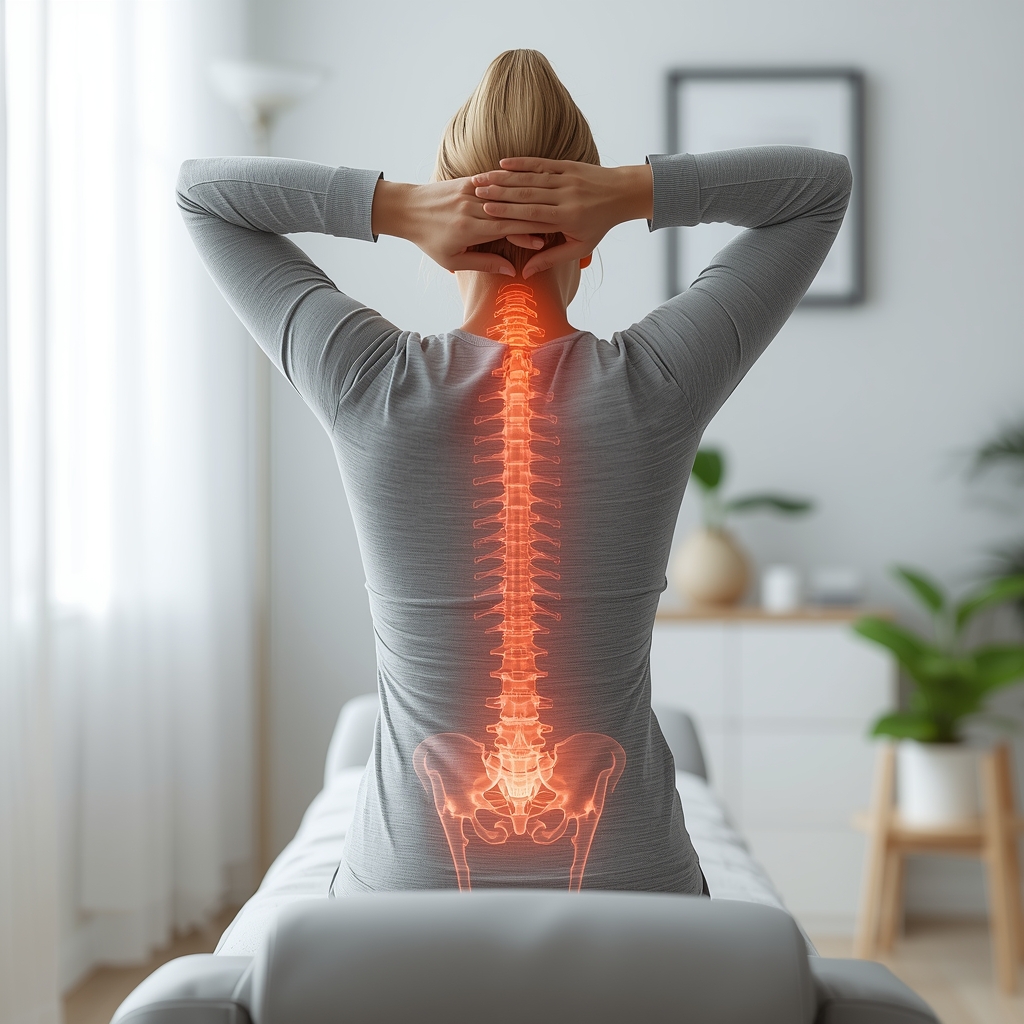
Key Steps for Chiropractors to Educate Patients on Posture Correction for Sacroiliac Joint Dysfunction
### Assess Patient Posture and Identify Risk Factors
Chiropractors should begin by evaluating a patient’s posture during initial consultations. Poor posture, such as slouching or excessive forward head tilt, can strain the sacroiliac (SI) joints, increasing the risk of dysfunction. Observing how patients sit, stand, and move provides insight into mechanical stressors. Educating patients on recognizing these patterns empowers them to make immediate adjustments. Emphasize that even minor postural shifts, like uneven weight distribution, can contribute to SI joint instability over time. Avoid technical jargon to ensure clarity. This assessment sets the foundation for personalized guidance, helping patients understand how their daily habits directly impact spinal health.
### Explain the Link Between Posture and SI Joint Function
Patients need to grasp how posture influences the SI joints’ stability and alignment. Poor posture can misalign the pelvis, creating uneven pressure on the SI joints and leading to inflammation or discomfort. For example, prolonged sitting with a rounded back may force the pelvis into an anterior tilt, straining the joint. Chiropractors should use simple analogies, like comparing the spine to a suspension bridge, to illustrate how misalignment affects weight distribution. Highlight that maintaining neutral spine positioning reduces stress on the SI joints. This understanding helps patients see posture correction as a proactive step, not just a temporary fix, fostering long-term commitment to healthier habits.
### Demonstrate Correct Postural Techniques and Exercises
Visual demonstrations are critical for teaching proper posture. Chiropractors can model standing, sitting, and lifting techniques that promote SI joint stability. For instance, showing how to engage core muscles while sitting or how to maintain a straight spine during daily activities reinforces practical application. Recommend gentle stretches or corrective exercises, such as pelvic tilts, to strengthen supporting muscles. However, avoid prescribing specific routines without a professional evaluation. Encourage patients to practice these techniques consistently, emphasizing that small, repeated adjustments yield significant benefits. Providing take-home visuals or written summaries can reinforce learning and ensure patients retain key instructions.
### Recommend Ergonomic Adjustments for Daily Activities
Workplace and home environments play a pivotal role in posture maintenance. Chiropractors should guide patients on optimizing ergonomics, such as adjusting chair height to keep feet flat on the floor or positioning computer screens at eye level. Discuss the importance of supportive footwear and avoiding prolonged static positions. For desk workers, suggest regular movement breaks to prevent stiffness. These adjustments reduce mechanical stress on the SI joints, preventing chronic issues. By addressing environmental factors, chiropractors help patients create sustainable habits. Reinforce that ergonomic changes are not one-time fixes but ongoing practices requiring periodic review and adaptation.
### Encourage Regular Movement and Core Strengthening
Sedentary lifestyles exacerbate posture-related SI joint problems. Chiropractors should advise patients to incorporate movement into their routines, such as short walks or stretching breaks every hour. Highlight the role of core strength in stabilizing the pelvis and reducing SI joint strain. Recommend low-impact exercises like yoga or swimming, which improve flexibility and muscle balance. However, stress that individualized guidance is essential, as certain movements may worsen symptoms. Encourage patients to track their progress and report any changes to their chiropractor. This proactive approach fosters a partnership between patient and provider, ensuring adjustments align with the patient’s unique needs.
### Follow Up and Reinforce Education Over Time
Posture correction requires continuous reinforcement. Chiropractors should schedule follow-up visits to assess progress and address challenges. Use these sessions to review techniques, adjust recommendations, and celebrate improvements. Provide resources like posture-check apps or educational videos for at-home practice. Encourage patients to ask questions and share concerns, reinforcing that education is an ongoing process. By maintaining open communication, chiropractors build trust and ensure patients remain engaged in their preventive care. This sustained effort strengthens the patient-provider relationship and maximizes long-term outcomes.













