
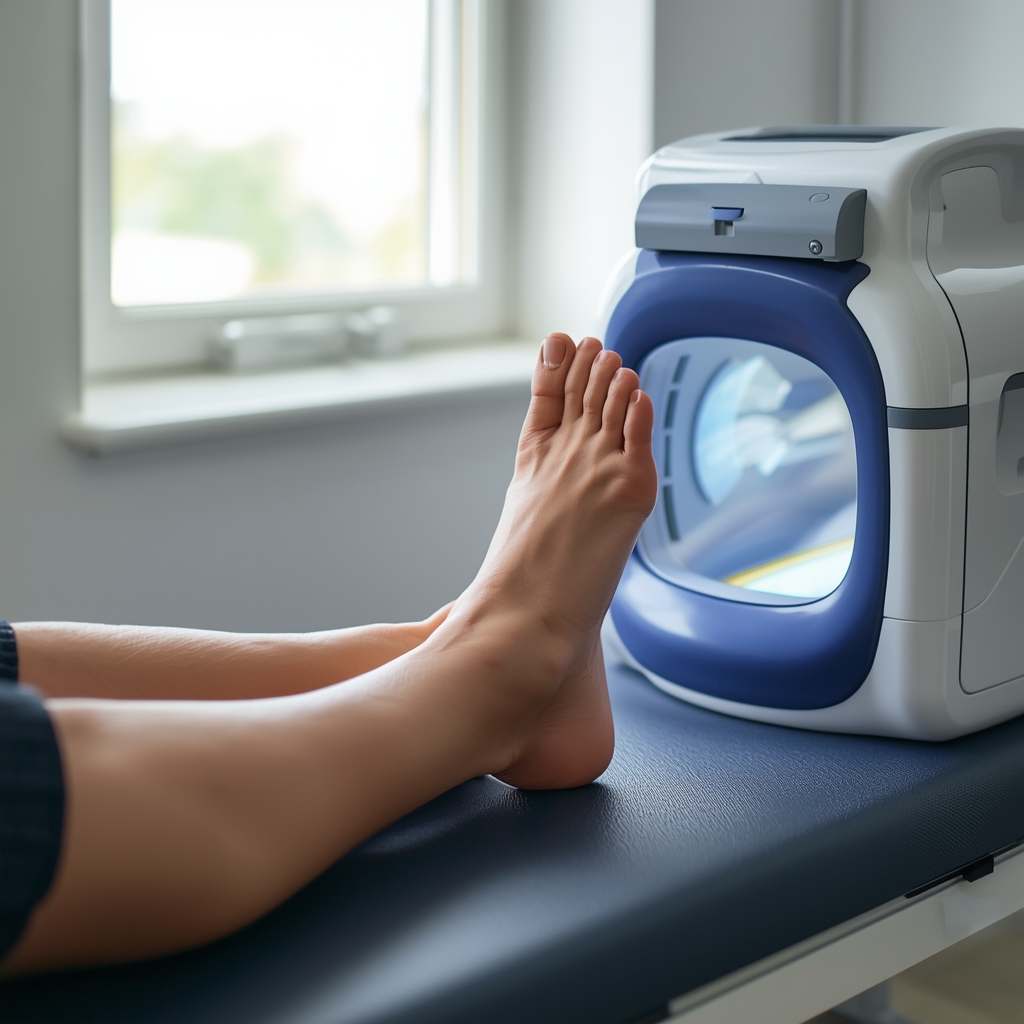
Understanding Ultrasound Therapy for Plantar Fasciitis
Ultrasound therapy is a non-invasive treatment that uses high-frequency sound waves to promote healing in soft tissues. For plantar fasciitis, this modality targets the inflamed plantar fascia, aiming to reduce pain and accelerate recovery. The sound waves generate heat, improving blood flow and breaking down scar tissue, which can alleviate stiffness. While not a standalone solution, ultrasound therapy is often part of a broader treatment plan. It is particularly useful for chronic cases where traditional methods like rest or stretching have limited effectiveness. Patients typically report reduced inflammation and improved mobility after sessions. However, its success depends on proper application and integration with other therapies. A qualified chiropractor can assess whether ultrasound therapy aligns with a patient’s specific needs and condition severity.
Tailoring Ultrasound Parameters for Individual Needs
Effective ultrasound therapy for plantar fasciitis requires customization based on the patient’s condition. Factors like the depth of the affected tissue, inflammation levels, and overall health influence the choice of frequency and intensity. Lower frequencies (1 MHz) penetrate deeper, targeting the plantar fascia’s attachment to the heel, while higher frequencies (3 MHz) focus on superficial tissues. Treatment duration and session frequency also vary; some patients may need 10–15 minutes per session, while others require longer exposure. A chiropractor might adjust these parameters based on real-time feedback, such as pain levels or tissue response. Additionally, the use of coupling gel ensures optimal sound wave transmission. This personalized approach maximizes therapeutic benefits while minimizing risks, making ultrasound therapy a versatile option for diverse patient profiles.
Optimal Treatment Protocols and Session Structure
Standard protocols for ultrasound therapy in plantar fasciitis typically involve 2–3 sessions per week over several weeks. Each session lasts 10–15 minutes, with the therapist moving the transducer in slow, circular motions over the affected area. The goal is to deliver consistent energy to the plantar fascia without overheating surrounding tissues. Some practitioners combine ultrasound with other techniques, such as manual therapy or stretching, to enhance outcomes. Patients are often advised to avoid high-impact activities post-treatment to prevent re-injury. Consistency is key, as gradual, repeated exposure tends to yield better results than sporadic sessions. Adhering to a structured plan helps manage chronic inflammation and supports long-term recovery. However, protocols should be regularly reviewed and adjusted based on the patient’s progress and any changes in symptoms.
Expected Outcomes and Patient Progress
Patients undergoing ultrasound therapy for plantar fasciitis often experience reduced pain and improved function, though results vary. Many report decreased morning heel pain and increased flexibility after several sessions. The therapy’s anti-inflammatory effects can help manage acute flare-ups, while its tissue-repairing properties support long-term healing. However, it is not a quick fix; sustained improvement typically requires multiple treatments and adherence to a comprehensive care plan. Some individuals may notice gradual progress over weeks, while others see minimal changes. Outcomes also depend on factors like the condition’s duration, overall health, and compliance with complementary therapies. A chiropractor can monitor progress and adjust the approach as needed, ensuring the treatment remains effective and aligned with the patient’s goals.
Factors Influencing Treatment Effectiveness
The success of ultrasound therapy for plantar fasciitis hinges on several factors, including patient adherence, condition severity, and the integration of other treatments. Patients who follow recommended protocols and avoid aggravating activities tend to see better results. Conversely, those with advanced or recurring cases may require longer or more frequent sessions. The therapist’s expertise in adjusting parameters like frequency and intensity also plays a critical role. Additionally, combining ultrasound with stretching, orthotics, or manual therapy can enhance its effectiveness. Lifestyle factors, such as weight and footwear, may impact outcomes, as excess pressure on the feet can hinder recovery. Regular communication with a chiropractor ensures the treatment plan evolves with the patient’s needs, optimizing the chances of a successful recovery.
Conclusion: Integrating Ultrasound Into a Comprehensive Care Plan
Ultrasound therapy offers a valuable, non-invasive option for managing plantar fasciitis when tailored to individual needs. Its ability to reduce inflammation and promote tissue healing makes it a complementary tool in a broader treatment strategy. However, its effectiveness depends on careful customization, consistent application, and integration with other therapies. Patients should work closely with a qualified chiropractor to develop a personalized plan that addresses their unique condition and goals. While ultrasound therapy can provide significant relief, it is not a substitute for professional evaluation or comprehensive care. By combining this modality with lifestyle adjustments and other interventions, patients can achieve lasting improvements in foot health and overall quality of life.













