
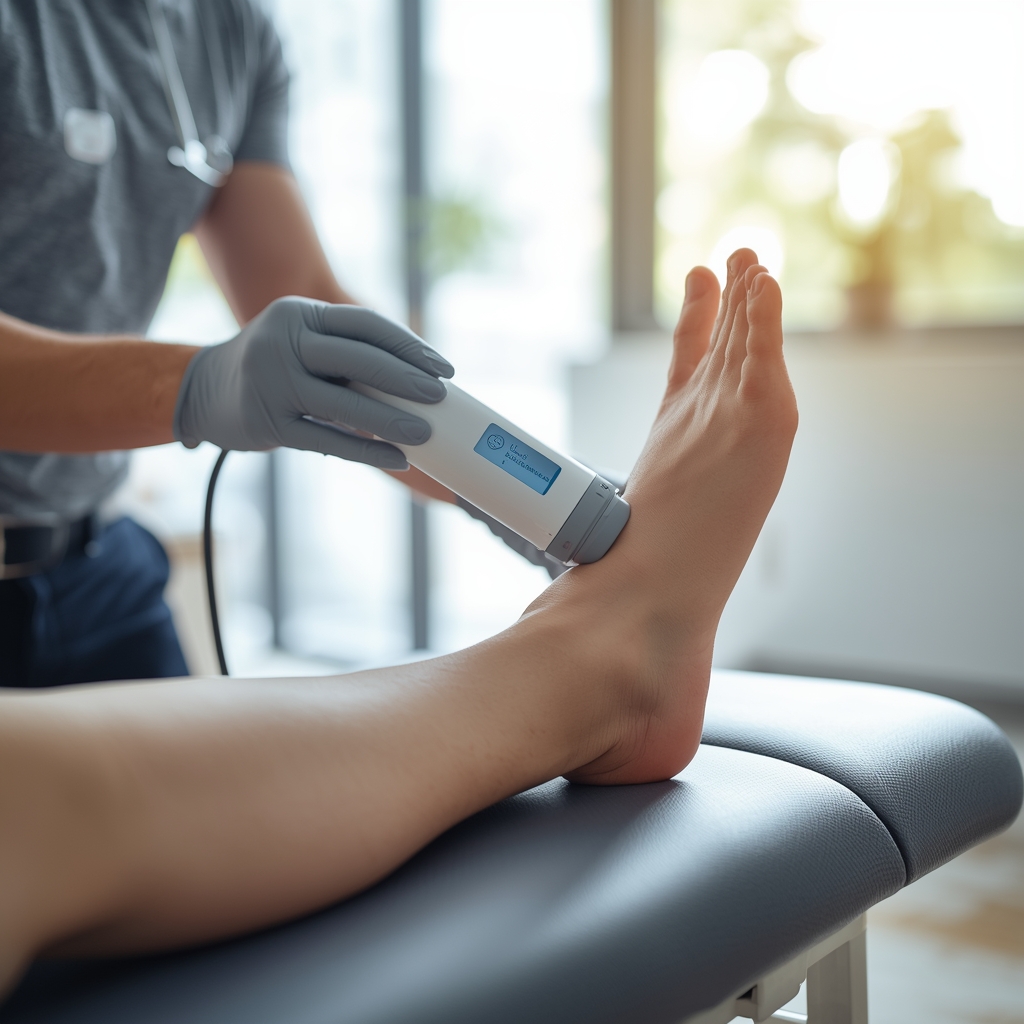
Understanding Chronic Plantar Fasciitis and Ultrasound Therapy
Chronic plantar fasciitis, a persistent inflammation of the thick band of tissue connecting the heel bone to the toes, often resists conventional treatments. Ultrasound therapy, a non-invasive modality, uses sound waves to penetrate deep tissues, promoting healing and reducing pain. This therapy is commonly used alongside other interventions, including chiropractic care, to address musculoskeletal conditions. While research on optimal settings remains evolving, general guidelines suggest that ultrasound can enhance blood flow, break down scar tissue, and alleviate discomfort. However, its effectiveness depends on proper application, making it crucial to consult a qualified provider for personalized protocols. Understanding how ultrasound interacts with the body’s natural healing processes can help patients make informed decisions about their treatment plans.
Optimal Ultrasound Settings for Plantar Fasciitis
Ultrasound therapy for plantar fasciitis typically involves specific settings to maximize therapeutic benefits. Frequency is a key factor, with low-frequency (1 MHz) waves penetrating deeper into tissues, while high-frequency (3 MHz) waves target superficial layers. For chronic conditions, lower frequencies may be preferred to reach the plantar fascia and surrounding structures. Power output, measured in watts per square centimeter, is usually set between 0.5 to 2.0 W/cm² to avoid tissue damage. Treatment duration varies but often ranges from 5 to 10 minutes per session. These parameters can be adjusted based on patient response and the severity of symptoms. It’s essential to work with a trained professional to ensure settings align with individual needs and avoid potential risks.
Protocols for Effective Ultrasound Treatment
Consistent and structured protocols are vital for ultrasound therapy to yield meaningful results in chronic plantar fasciitis. Sessions are typically scheduled 2 to 3 times per week, with a recommended course of 6 to 12 treatments. The application technique involves moving the transducer in slow, circular motions over the affected area to ensure even distribution of energy. Some practitioners may combine ultrasound with other modalities, such as stretching or massage, to enhance outcomes. Patients should avoid applying ultrasound directly over open wounds, infections, or areas with impaired sensation. Adhering to these protocols helps optimize healing while minimizing adverse effects. Regular follow-ups with a healthcare provider can help monitor progress and adjust the plan as needed.
Complementing Chiropractic Adjustments
Chiropractic adjustments and ultrasound therapy can work synergistically to address chronic plantar fasciitis. Chiropractors often focus on aligning the spine and joints, which can indirectly influence foot mechanics and reduce strain on the plantar fascia. Ultrasound therapy complements this by targeting localized inflammation and promoting tissue repair. Together, these approaches may improve mobility, reduce pain, and support long-term recovery. For instance, adjustments can correct biomechanical imbalances, while ultrasound enhances the body’s natural healing processes. Patients should discuss integrated treatment plans with their chiropractor to ensure both modalities are used effectively. This combined strategy highlights the value of a holistic, multidisciplinary approach to chronic musculoskeletal conditions.
Considerations for Patients and Practitioners
When incorporating ultrasound therapy into plantar fasciitis treatment, both patients and practitioners must consider individual factors. Conditions such as diabetes, circulatory issues, or nerve damage may affect how the body responds to ultrasound. Patients should disclose their medical history and current medications to their provider, as certain factors may contraindicate this therapy. Practitioners must stay updated on evidence-based guidelines and tailor protocols to each patient’s needs. Additionally, it’s important to manage expectations, as results may vary and require consistent commitment. Open communication between patient and provider ensures safe, effective care. Ultrasound therapy should always be part of a broader treatment strategy, not a standalone solution.
Conclusion: Integrating Ultrasound and Chiropractic Care
Chronic plantar fasciitis presents a complex challenge, but combining ultrasound therapy with chiropractic care offers a promising approach. Ultrasound’s ability to reduce inflammation and promote tissue healing complements the biomechanical corrections achieved through adjustments. While specific settings and protocols may vary, the goal remains to enhance recovery and improve quality of life. Patients should seek guidance from qualified professionals to develop a personalized plan that addresses their unique needs. As research continues, the integration of these modalities underscores the importance of a collaborative, patient-centered approach to musculoskeletal health. By working together, healthcare providers can help individuals achieve lasting relief and better mobility.













