
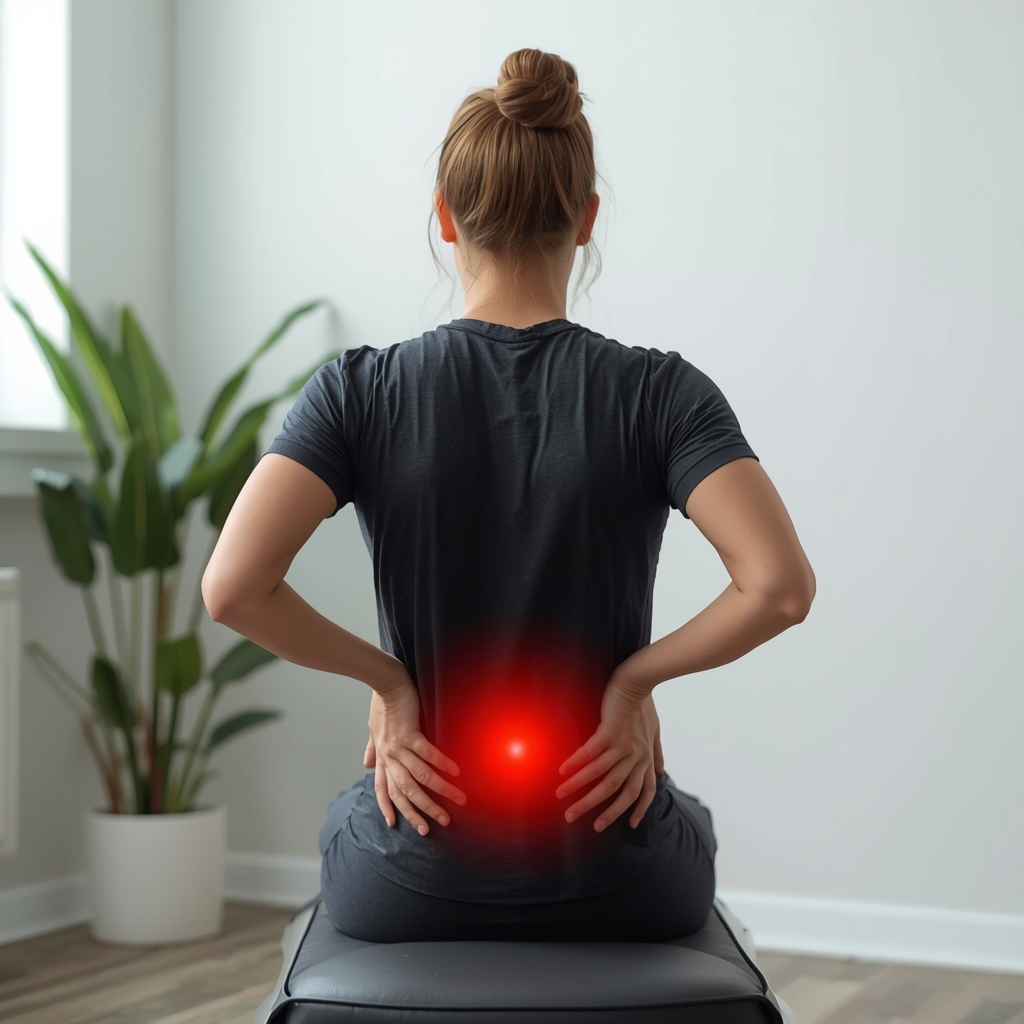
Understanding Sacroiliac Joint Dysfunction and Core Stability
Sacroiliac (SI) joint dysfunction occurs when the joints connecting the spine to the pelvis become misaligned or inflamed, causing pain in the lower back, hips, or legs. This condition often stems from poor posture, muscle imbalances, or trauma. Core stability training focuses on strengthening the muscles surrounding the spine, pelvis, and abdomen, which play a critical role in supporting the SI joints. A strong core helps distribute forces evenly across the pelvis, reducing excessive stress on the SI joints. While chiropractic adjustments can realign the joints and alleviate immediate pain, long-term relief often requires addressing underlying muscular weaknesses. By integrating core stability exercises into treatment plans, patients may experience more durable results and a lower risk of recurrence. This combination of approaches highlights the importance of both structural and functional rehabilitation for SI joint health.
The Role of Core Stability in Supporting Chiropractic Adjustments
Chiropractic adjustments aim to restore proper alignment and mobility to the SI joints, but their effectiveness can be limited if the surrounding muscles are weak or imbalanced. Core stability exercises target the deep stabilizing muscles, such as the transverse abdominis and pelvic floor, which help maintain pelvic alignment. When these muscles are strong, they provide a stable foundation for the SI joints, allowing adjustments to hold longer and reduce the likelihood of re-injury. Additionally, a stable core minimizes compensatory movements that might strain the joints during daily activities. By reinforcing muscular support, core training complements the mechanical benefits of adjustments, creating a more balanced and resilient musculoskeletal system. This synergy between structural and muscular health is essential for managing chronic SI joint dysfunction and preventing future episodes.
How Core Stability Enhances Long-Term Recovery Outcomes
While chiropractic adjustments offer immediate relief, sustained recovery from SI joint dysfunction depends on addressing the root causes of instability. Core stability training improves proprioception—the body’s ability to sense its position in space—which enhances joint awareness and control. This heightened awareness helps patients maintain proper posture and movement patterns, reducing the risk of re-injury. Strengthening the core also alleviates strain on the SI joints by distributing forces more evenly across the lower body. For example, exercises like planks or bird dogs engage the muscles that stabilize the pelvis, reducing the load on the joints during activities like lifting or bending. Over time, consistent core training can decrease the frequency of adjustments needed and improve overall functional mobility. This proactive approach empowers patients to take an active role in their recovery, fostering long-term musculoskeletal health.
The Connection Between Core Strength and Pelvic Stability
The pelvis serves as a critical link between the upper and lower body, and its stability is heavily influenced by the strength of the core muscles. Weakness in the abdominal, gluteal, or hip muscles can lead to pelvic instability, exacerbating SI joint dysfunction. Core stability exercises specifically target these areas, promoting balanced muscle activation that supports the pelvis during movement. For instance, exercises like bridges or clamshells engage the glutes and core, improving hip and pelvic alignment. A stable pelvis reduces the likelihood of SI joint misalignment, making chiropractic adjustments more effective and longer-lasting. Furthermore, strong core muscles help absorb shock and distribute forces during physical activities, minimizing stress on the joints. This relationship underscores the importance of integrating core training into treatment plans to achieve optimal pelvic and joint health.
Combining Core Training with Chiropractic Care for Optimal Results
A holistic approach to SI joint dysfunction often involves combining chiropractic adjustments with targeted core stability exercises. Chiropractors may recommend specific movements to address muscle imbalances and strengthen the deep stabilizers of the spine and pelvis. This collaborative strategy ensures that adjustments are supported by a strong muscular foundation, enhancing their effectiveness. Patients who engage in regular core training may find that their bodies respond more quickly to adjustments and require fewer sessions over time. Additionally, this dual approach reduces the risk of compensatory patterns that could strain the SI joints. By working with a chiropractor to develop a personalized plan, individuals can achieve greater pain relief, improved mobility, and long-term joint stability. This integrated method reflects the growing recognition of the interplay between structural and functional health in musculoskeletal care.
Consulting a Chiropractor for Personalized Guidance
While core stability training offers significant benefits, it is essential to work with a qualified chiropractor to tailor exercises to individual needs. A chiropractor can assess the specific causes of SI joint dysfunction and recommend exercises that address underlying weaknesses without exacerbating symptoms. They may also integrate adjustments with other therapies, such as soft tissue work or posture correction, to create a comprehensive treatment plan. Patients should avoid self-diagnosing or following generic workout routines, as improper techniques could worsen their condition. Instead, a chiropractor can guide them through safe, effective exercises that complement their adjustments. By fostering a partnership between chiropractic care and core training, individuals can maximize their recovery and maintain long-term musculoskeletal health. Always consult a healthcare provider before starting new exercises, especially if experiencing pain or uncertainty about the best approach.














