
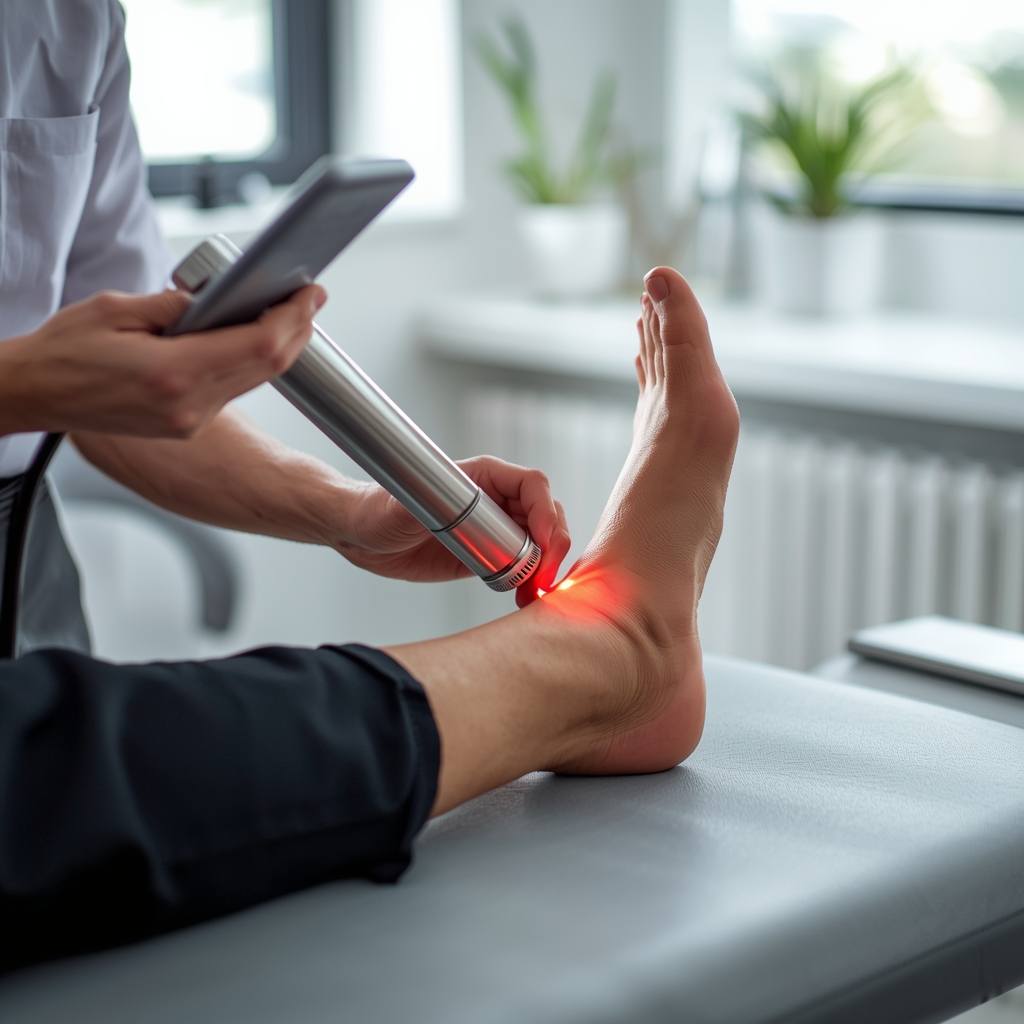
Understanding Cold Laser Therapy and Its Role in Tissue Repair
Cold laser therapy, also known as low-level laser therapy (LLLT), uses specific wavelengths of light to stimulate cellular activity without generating significant heat. This non-invasive treatment is often used to reduce inflammation, alleviate pain, and promote healing in various musculoskeletal conditions. While its applications span multiple areas, its potential to support tissue repair in chronic conditions like plantar fasciitis has drawn growing interest. By targeting damaged tissues at a cellular level, cold laser therapy aims to enhance the body’s natural healing processes. However, it is typically part of a broader treatment plan rather than a standalone solution. Patients considering this therapy should consult a qualified chiropractor or healthcare provider to determine its suitability for their specific condition.
How Cold Laser Therapy Works at a Cellular Level
The mechanism of cold laser therapy involves photons of light penetrating the skin to reach damaged cells. These photons are absorbed by mitochondria, the energy-producing structures within cells, which can increase adenosine triphosphate (ATP) production. This boost in cellular energy may accelerate tissue repair and reduce oxidative stress. Additionally, the therapy is thought to modulate inflammatory responses, potentially decreasing pain and swelling. While the exact biological pathways are still under study, the general consensus is that cold laser therapy supports cellular function and regeneration. For chronic plantar fasciitis, this could mean improved recovery of the thickened, inflamed plantar fascia tissue. However, results can vary, and individualized assessment by a healthcare professional is essential to ensure safe and effective use.
Chronic Plantar Fasciitis: A Persistent Challenge
Plantar fasciitis is a common cause of heel pain, characterized by inflammation of the thick band of tissue (plantar fascia) that runs across the bottom of the foot. Chronic cases often persist despite conventional treatments like rest, stretching, and orthotics. The condition can significantly impact mobility and quality of life, as the tissue becomes repeatedly stressed and slow to heal. Traditional approaches focus on reducing inflammation and managing symptoms, but long-term recovery remains challenging. Patients may explore complementary therapies, such as cold laser therapy, to address persistent discomfort. Understanding the underlying factors—such as biomechanical imbalances or overuse—is critical for developing a comprehensive treatment strategy. Cold laser therapy is one option that may be considered as part of a multidisciplinary approach to managing chronic plantar fasciitis.
Supporting Tissue Repair Through Cold Laser Therapy
In the context of chronic plantar fasciitis, cold laser therapy may aid tissue repair by targeting the inflammatory processes that hinder healing. The therapy’s ability to enhance cellular metabolism could help repair microtears in the plantar fascia, which are common in long-standing cases. Additionally, improved blood flow to the affected area may deliver more oxygen and nutrients, further supporting recovery. Some studies suggest that cold laser therapy can reduce pain and improve function in musculoskeletal conditions, though more research is needed to confirm its efficacy for plantar fasciitis specifically. Patients often report gradual symptom relief over multiple sessions, but outcomes depend on factors like condition severity and adherence to complementary treatments. As with any therapy, individual results may vary, and professional guidance is crucial.
Integrating Cold Laser Therapy with Other Treatments
Cold laser therapy is most effective when used alongside other evidence-based treatments for chronic plantar fasciitis. For example, combining it with physical therapy, stretching exercises, and custom orthotics may enhance overall outcomes. Chiropractors often recommend a holistic approach, addressing not only the foot but also postural and biomechanical factors that contribute to the condition. Patients might also benefit from anti-inflammatory measures, such as ice therapy or massage, to complement the effects of cold laser treatment. It is important to note that cold laser therapy does not replace traditional care but can serve as an adjunct to accelerate recovery. A qualified provider can tailor a treatment plan that integrates multiple modalities, ensuring a balanced and personalized strategy for managing chronic plantar fasciitis.
Considering Cold Laser Therapy: Key Questions and Next Steps
Before pursuing cold laser therapy for chronic plantar fasciitis, patients should discuss their options with a licensed chiropractor or healthcare provider. Questions to consider include the therapy’s potential benefits, risks, and how it aligns with existing treatment goals. While generally safe, individual responses can vary, and not all patients may experience the same results. It is also important to verify that the practitioner is trained in administering cold laser therapy and follows established protocols. Patients should approach this treatment as part of a broader care plan, rather than a standalone solution. Open communication with a healthcare provider ensures that decisions are informed and aligned with the patient’s unique needs. Exploring all available options with professional guidance can lead to more effective and sustainable outcomes for managing chronic plantar fasciitis.













