
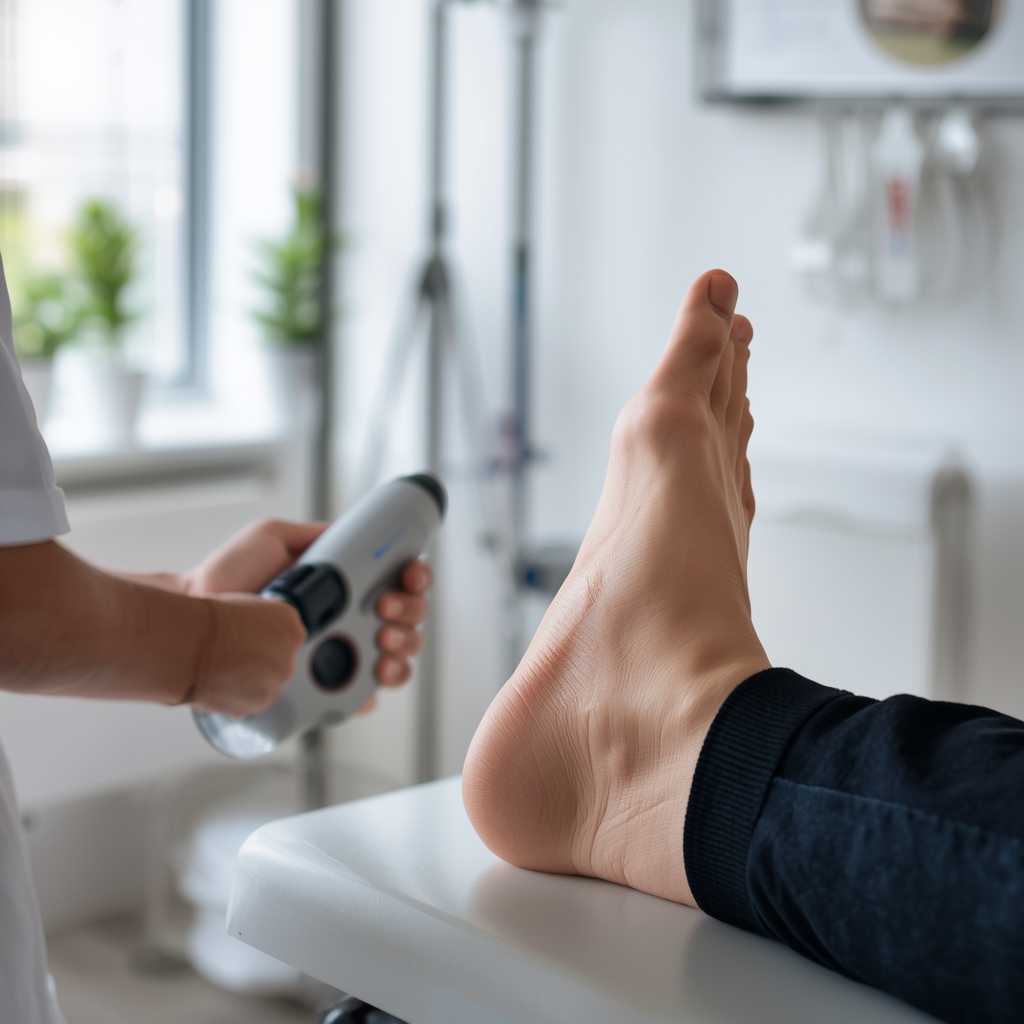
Understanding Cold Laser Therapy for Plantar Fasciitis and Heel Spurs
Cold laser therapy, or low-level laser therapy (LLLT), is a non-invasive treatment that uses specific wavelengths of light to stimulate cellular function and reduce inflammation. For conditions like plantar fasciitis and heel spur syndrome, which involve chronic inflammation and microtears in the plantar fascia, LLLT aims to accelerate tissue repair and alleviate pain. While research on its efficacy is ongoing, clinical applications often focus on targeting the affected areas with precise light parameters. This therapy is typically used alongside other interventions, such as stretching, orthotics, or manual therapy, to address the multifactorial nature of these conditions. Understanding its role requires examining evidence-based protocols that optimize outcomes without overreliance on unproven claims.
Key Protocols for Optimizing Cold Laser Efficacy
Studies suggest that specific parameters, such as wavelength, power output, and treatment duration, influence cold laser therapy’s effectiveness. For plantar fasciitis, wavelengths between 630-904 nm are commonly used, as they penetrate soft tissues to reduce inflammation. Power settings typically range from 50-300 mW, with higher power potentially offering faster results. Treatment sessions often last 5-15 minutes, administered 2-5 times weekly. Consistency is critical, as repeated exposure may enhance cellular ATP production and promote healing. However, protocols vary among practitioners, and individual responses can differ. A chiropractor can tailor these parameters based on a patient’s condition severity and overall health, ensuring safe and targeted application.
Treatment Frequency and Duration Considerations
The frequency and duration of cold laser therapy sessions are pivotal in achieving measurable outcomes. Research indicates that shorter, more frequent treatments (e.g., 3-5 times per week) may yield better results than less frequent, longer sessions. This approach aligns with the theory that repeated low-level stimuli encourage sustained cellular repair. For chronic conditions like heel spurs, longer treatment courses—spanning 4-8 weeks—may be necessary to address underlying inflammation and tissue remodeling. However, overuse can lead to diminished responses, highlighting the need for structured protocols. Patients should work with a chiropractor to balance treatment intensity with recovery periods, ensuring the therapy complements other interventions like physical therapy or lifestyle modifications.
Combining Cold Laser with Adjacent Therapies
Integrating cold laser therapy with other treatments enhances its effectiveness for plantar fasciitis and heel spurs. Manual therapies, such as soft tissue mobilization or chiropractic adjustments, can improve biomechanics and reduce strain on the plantar fascia. Orthotics or custom insoles may also be recommended to support the arch and distribute pressure evenly. Additionally, stretching exercises targeting the calf and foot muscles are crucial for long-term relief. While cold laser addresses inflammation, these complementary approaches tackle structural and functional contributors to the condition. A multidisciplinary plan, guided by a chiropractor, ensures a holistic strategy that maximizes recovery and prevents recurrence.
Patient Selection and Monitoring for Optimal Outcomes
Not all patients with plantar fasciitis or heel spurs will respond equally to cold laser therapy. Factors such as condition duration, severity, and underlying health conditions (e.g., diabetes or peripheral neuropathy) influence treatment efficacy. Patients with acute symptoms may experience faster relief compared to those with long-standing issues. Regular monitoring through follow-up assessments helps track progress and adjust protocols as needed. For instance, if no improvement is observed after 4-6 weeks, alternative approaches may be considered. Open communication between the patient and chiropractor ensures that the therapy remains aligned with individual goals, avoiding unnecessary treatments and optimizing resource use.
Challenges and Future Directions in Cold Laser Research
Despite its promise, cold laser therapy faces challenges in standardizing protocols and proving consistent efficacy. Variability in device quality, operator technique, and patient compliance complicates research outcomes. Some studies report modest pain relief, while others show no significant benefits, highlighting the need for more rigorous, large-scale trials. Future advancements may focus on refining wavelength specificity, combining LLLT with emerging technologies like photobiomodulation, or personalizing treatment based on genetic or metabolic markers. As the evidence base grows, chiropractors will play a key role in translating research into practical, patient-centered applications for plantar fasciitis and heel spur management.













