
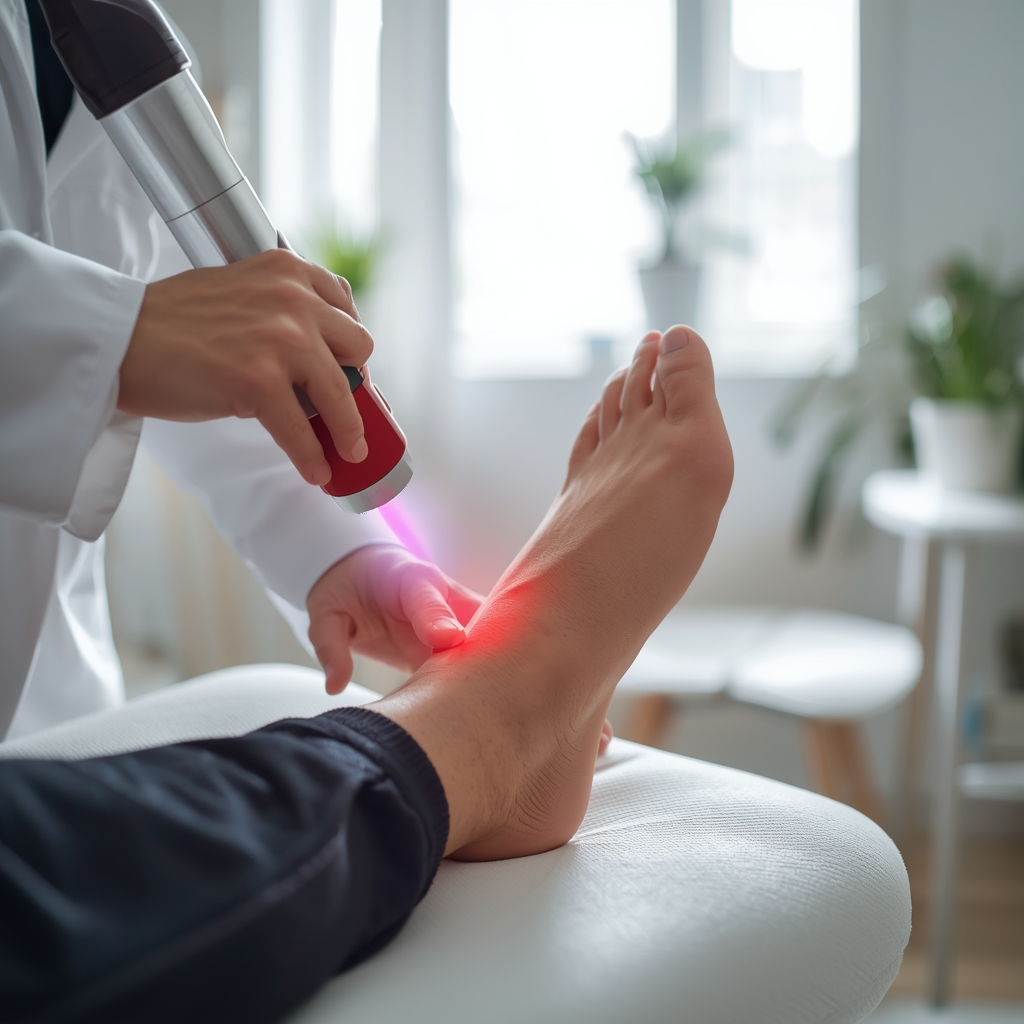
Understanding Cold Laser Therapy Parameters for Plantar Fasciitis
Cold laser therapy, also known as low-level laser therapy (LLLT), uses specific wavelengths of light to stimulate cellular function and reduce inflammation. For plantar fasciitis, the most commonly recommended wavelengths range between 650-904 nanometers, as these penetrate soft tissues effectively. Energy density, measured in joules per square centimeter (J/cm²), typically falls between 2-10 J/cm² for optimal therapeutic effects. Power levels, expressed in milliwatts (mW), usually range from 50-300 mW, depending on the device and treatment protocol. These parameters are believed to enhance ATP production, reduce oxidative stress, and modulate inflammatory responses. While research on exact dosing for plantar fasciitis is limited, practitioners often tailor settings based on patient size, tissue depth, and symptom severity. It is crucial to consult a qualified chiropractor to determine the most appropriate configuration for individual needs.
How Cold Laser Therapy Complements Spinal Adjustments
Spinal adjustments aim to restore proper biomechanics and nerve function, which can indirectly influence foot health. Misalignments in the spine, particularly in the lower back or pelvis, may alter weight distribution and gait patterns, contributing to plantar fascia strain. Cold laser therapy addresses localized inflammation and pain in the heel and arch, creating a synergistic effect when combined with spinal care. By reducing pain and improving mobility, laser therapy may enhance the effectiveness of adjustments by allowing patients to maintain better posture and movement patterns. This dual approach targets both structural and inflammatory components of plantar fasciitis. However, the exact mechanisms of this interaction remain under investigation, and individual results may vary. A chiropractor can help integrate these therapies into a personalized treatment plan.
The Role of Wavelength Specificity in Treatment Efficacy
The choice of wavelength in cold laser therapy is critical for achieving desired outcomes. Red light (650-700 nm) and near-infrared (700-904 nm) wavelengths are most commonly used for deep tissue penetration. Red light may promote surface-level healing, while near-infrared reaches deeper structures like the plantar fascia. Studies suggest that longer wavelengths (e.g., 808 nm) may offer greater therapeutic depth, though optimal settings can vary. Some practitioners use combination devices that switch between wavelengths based on treatment goals. While general guidelines exist, the lack of standardized protocols means that dosing often relies on clinical experience. Patients should discuss wavelength choices with their chiropractor to ensure alignment with their specific condition and treatment objectives.
Optimizing Dose and Treatment Frequency
Dosing in cold laser therapy involves balancing energy delivery with patient tolerance. A typical session might last 3-10 minutes, with total energy output adjusted to avoid overheating tissues. For plantar fasciitis, treatments are often administered 2-3 times per week for several weeks, with gradual reductions as symptoms improve. Overuse can lead to diminished effectiveness or tissue irritation, so adherence to recommended protocols is essential. Some practitioners incorporate pulsed modes, which deliver light in intervals, to enhance cellular response. While no universal standard exists, many report improved outcomes with consistent, measured applications. Patients should monitor their progress and communicate any discomfort to their chiropractor, who can adjust the dose or frequency accordingly.
Integrating Cold Laser Therapy with Other Chiropractic Techniques
Chiropractic care for plantar fasciitis often combines multiple modalities to address both structural and functional factors. Cold laser therapy may be used alongside spinal adjustments, soft tissue techniques, or corrective exercises to maximize benefits. For example, adjustments can correct pelvic imbalances that contribute to gait abnormalities, while laser therapy reduces inflammation in the affected area. Additional therapies like ultrasound or electrical stimulation might also be integrated, depending on the patient’s needs. This multi-faceted approach acknowledges the interconnected nature of the musculoskeletal system. However, the effectiveness of combined treatments depends on individual factors, and a chiropractor can help determine the most suitable combination for each case.
Considering Patient-Specific Factors and Professional Guidance
Individual responses to cold laser therapy can vary based on factors like age, overall health, and the chronicity of plantar fasciitis. Patients with diabetes or circulatory issues may require modified protocols to ensure safety. Additionally, the therapy’s effectiveness may depend on the practitioner’s expertise in device operation and treatment planning. While some patients report noticeable relief within weeks, others may need longer-term care. It is important to view cold laser therapy as part of a broader treatment strategy rather than a standalone solution. Regular follow-ups with a chiropractor allow for ongoing assessment and adjustments to the plan. By working closely with a qualified provider, patients can navigate the complexities of this therapy and make informed decisions about their care.













