
Anatomy and Movement Differences
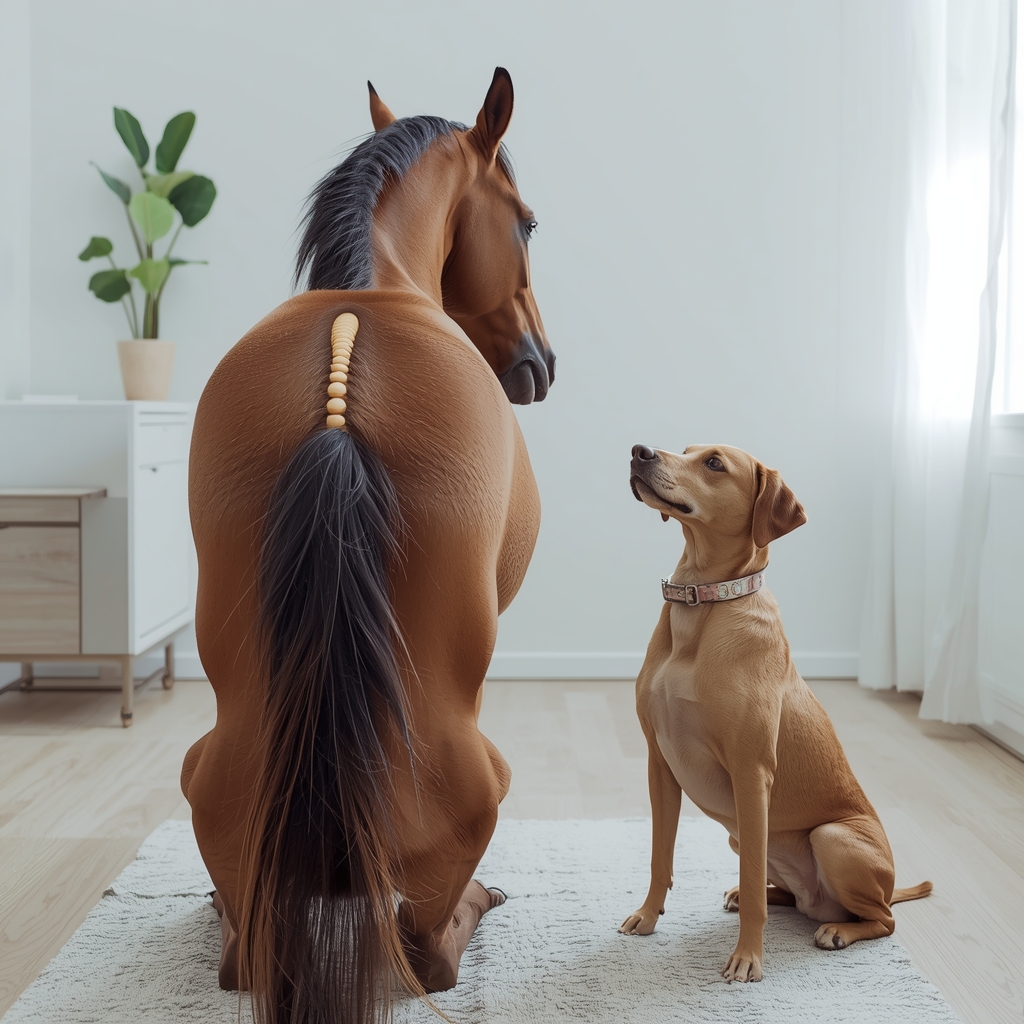
Chiropractic care for horses and dogs diverges significantly due to their distinct anatomical structures and movement patterns. Horses have a long, flexible spine and powerful hindquarters designed for speed and endurance, while dogs exhibit a wide range of body types and gaits depending on breed. These differences influence how chiropractors assess and treat each species. For example, a horse’s spine is often evaluated for alignment that supports balance and performance, whereas a dog’s care may focus on joint mobility and pain relief. The musculoskeletal demands of each animal’s lifestyle—whether racing, herding, or daily walks—also shape the approach. Practitioners must understand these unique biomechanics to apply appropriate techniques without causing harm. General principles of spinal health apply, but the execution varies based on the animal’s physiology and activity level.
Common Conditions Treated
While both horses and dogs can benefit from chiropractic care for musculoskeletal issues, the specific conditions addressed often differ. Horses frequently require treatment for back pain, lameness, and gait abnormalities linked to spinal misalignments. These issues may stem from repetitive strain, improper saddle fit, or training demands. Dogs, on the other hand, commonly present with hip dysplasia, arthritis, or intervertebral disc disease, which can affect their mobility and comfort. The goals of care also vary: horses may need adjustments to enhance performance, while dogs often seek relief from chronic pain or post-injury recovery. Chiropractors tailor their evaluations to the animal’s breed, age, and lifestyle, ensuring interventions align with their unique health needs and activity levels.
Techniques and Adjustments
The techniques used in animal chiropractic care are adapted to each species’ size, strength, and anatomy. Horses, being larger and more robust, often require manual adjustments that target the entire spine and pelvis, sometimes with the aid of specialized tools. These adjustments aim to restore mobility and alleviate tension in areas critical for movement. Dogs, with their smaller frames, may receive gentler manipulations focused on specific joints or vertebrae. The methods also depend on the animal’s tolerance and the practitioner’s training. For instance, some chiropractors use low-force techniques for sensitive dogs, while horses might require more dynamic adjustments. Regardless of the approach, the goal remains to correct misalignments and promote natural healing, always prioritizing the animal’s comfort and safety.
Handling and Safety Considerations
Handling and safety are critical factors in equine and canine chiropractic care. Horses, due to their size and instinctual flight response, often require a calm, controlled environment and may need sedation or restraint for certain adjustments. Practitioners must be trained in equine behavior to minimize stress and ensure the animal’s cooperation. Dogs, while generally more manageable, still require careful handling, especially if they are in pain or anxious. The risk of injury to both the animal and the chiropractor necessitates proper techniques and communication. For horses, the use of cross-ties or a halter can aid in positioning, while dogs may need a secure, non-slip surface. Safety protocols, including thorough assessments before adjustments, help prevent complications and ensure effective treatment for both species.
Collaboration with Veterinarians
Chiropractic care for horses and dogs is most effective when integrated with veterinary oversight. Veterinarians play a crucial role in diagnosing underlying conditions that may contribute to musculoskeletal issues, ensuring that chiropractic interventions are appropriate and safe. For example, a horse’s lameness could stem from a neurological condition requiring medical treatment, while a dog’s joint pain might indicate an inflammatory disease. Chiropractors and veterinarians often collaborate to develop comprehensive care plans, combining adjustments with other therapies like physical rehabilitation or medication. This partnership helps avoid misdiagnosis and ensures that treatments address the root causes of discomfort. Owners should always consult a licensed veterinarian before initiating chiropractic care, particularly for animals with pre-existing health conditions or acute injuries.
Owner Education and Ongoing Care
Owners play a vital role in the success of chiropractic care for horses and dogs. Understanding the purpose and process of adjustments helps ensure compliance and reduces stress for the animal. For horses, this might involve recognizing signs of discomfort during or after treatment, while dog owners should monitor their pet’s behavior and mobility. Regular follow-up appointments are essential, as the frequency of care depends on the animal’s condition and response to treatment. Owners should also maintain proper exercise routines and environmental management to support spinal health. For instance, horses benefit from consistent movement and proper saddle fit, while dogs may need controlled activity to prevent overexertion. By staying informed and proactive, owners can enhance the effectiveness of chiropractic care and promote long-term wellness for their animals.













