
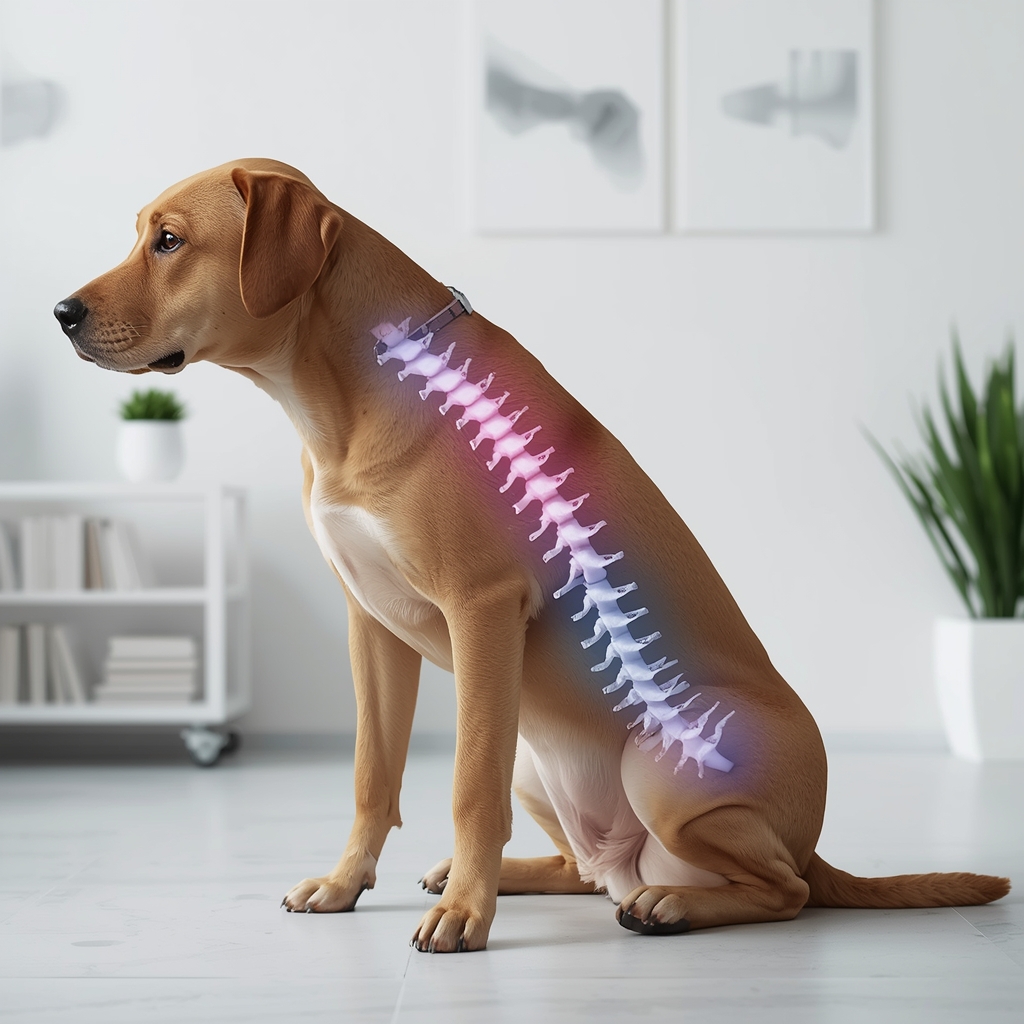
Understanding Animal Chiropractic Specialization
Animal chiropractic is a specialized field that adapts human chiropractic techniques to meet the unique anatomical and physiological needs of different species. While the core principle of restoring proper musculoskeletal function remains consistent, the approach varies significantly between large animals, such as horses and cattle, and small pets like dogs and cats. Large animals often require more robust adjustments due to their size and weight, while small pets benefit from gentler, precise techniques. This distinction ensures treatments are both effective and safe, addressing species-specific challenges. For instance, a horse’s spine is structured differently from a dog’s, necessitating tailored methods. Understanding these differences allows practitioners to provide targeted care, enhancing outcomes for animals of all sizes.
Techniques for Large Animals
Large animals, such as horses, require specialized chiropractic techniques that account for their size, musculoskeletal structure, and movement patterns. Adjustments often involve more forceful manipulations to address issues like lameness, gait abnormalities, or performance-related discomfort. Practitioners may use tools like adjustment tables or specialized equipment to stabilize the animal during treatment. The focus is on aligning the spine and joints to improve mobility and alleviate pain. Conditions such as back pain, sacroiliac dysfunction, or muscle spasms are common in large animals and respond well to these techniques. However, the process demands expertise to avoid injury, as improper adjustments could worsen the animal’s condition. Regular sessions can help maintain optimal musculoskeletal health, particularly in working or performance animals.
Techniques for Small Pets
Small pets, including dogs and cats, require a more delicate approach in animal chiropractic care. Adjustments are typically performed manually with minimal force, focusing on precise spinal and joint realignment. The smaller size of these animals allows for greater flexibility in positioning, enabling practitioners to address issues like joint stiffness, muscle tension, or post-surgical recovery. Techniques such as gentle mobilization and soft tissue work are commonly used to enhance mobility and reduce discomfort. Conditions like arthritis, intervertebral disc disease, or spinal misalignments often benefit from these methods. The goal is to improve the pet’s quality of life by restoring proper function and alleviating pain. Regular sessions can also help prevent chronic issues, making chiropractic care a valuable complement to traditional veterinary treatments.
Conditions in Large Animals
Large animals often experience musculoskeletal conditions that respond well to chiropractic care. Common issues include back pain, lameness, and gait imbalances, which can stem from injury, overuse, or poor posture. For example, horses may develop sacroiliac joint dysfunction, leading to discomfort and reduced performance. Chiropractic adjustments can help realign the spine and joints, improving mobility and reducing pain. Conditions like muscle spasms, joint stiffness, and nerve-related issues also benefit from targeted treatments. In dairy cattle or working horses, regular chiropractic sessions can enhance overall health and productivity. However, it’s crucial to consult a certified animal chiropractor to ensure safe and effective care. These professionals are trained to recognize species-specific challenges and tailor treatments to the animal’s needs, promoting long-term wellness.
Conditions in Small Pets
Small pets frequently benefit from chiropractic care for conditions affecting their musculoskeletal and nervous systems. Arthritis, spinal misalignments, and joint pain are common issues that can be addressed through gentle adjustments. Dogs, for instance, may experience intervertebral disc disease or hip dysplasia, which can be alleviated with targeted treatments. Cats often suffer from chronic back pain or stiffness, which chiropractic care can help manage. Additionally, post-surgical recovery and injury rehabilitation are areas where these techniques prove valuable. By restoring proper alignment and function, chiropractic care can enhance mobility and reduce discomfort. It’s important to note that small pets may require multiple sessions for optimal results, and a qualified practitioner should always oversee the process. This approach ensures safety and effectiveness, providing a non-invasive option for improving their quality of life.
Choosing the Right Care for Your Animal
Whether your animal is a large horse or a small pet, selecting the right chiropractic care involves understanding their unique needs. Large animals often require more intensive adjustments, while small pets benefit from gentle, precise techniques. Conditions like musculoskeletal pain, gait abnormalities, or post-injury recovery can respond well to these specialized approaches. However, it’s essential to consult a certified animal chiropractor who has experience with your specific species. They can assess your pet’s condition and recommend the most appropriate treatments. Chiropractic care should complement, not replace, traditional veterinary care. By working with a qualified professional, you can ensure your animal receives safe, effective, and tailored support. Regular sessions may help prevent chronic issues and improve overall well-being, making it a valuable addition to your pet’s healthcare routine.













