
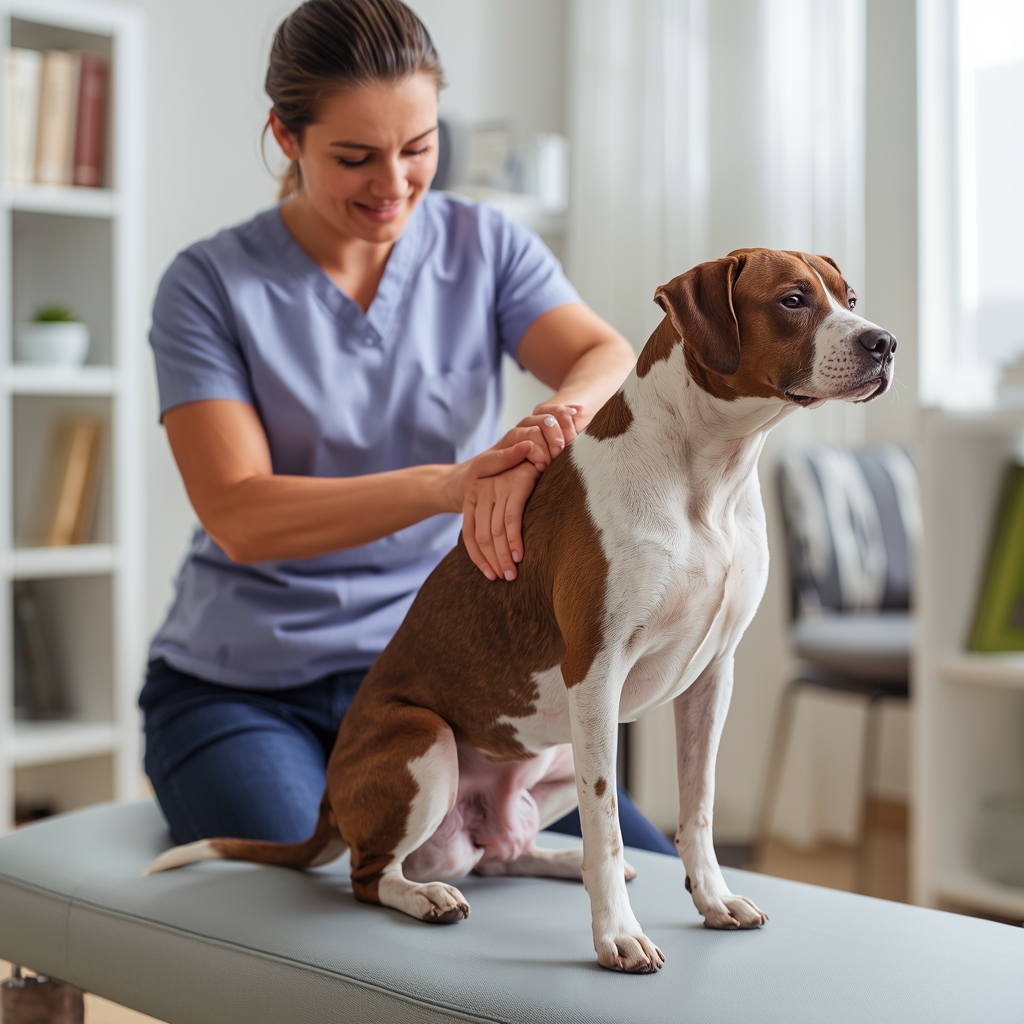
Understanding Animal Chiropractic Care
Chiropractic care for pets, particularly dogs and cats, focuses on optimizing musculoskeletal function and nervous system health. While similar in principle to human chiropractic adjustments, animal techniques are tailored to the unique anatomy and behavior of each species. The goal is to alleviate pain, improve mobility, and support overall wellness. Unlike human adjustments, which often target the spine’s vertebrae, animal chiropractors may focus on the entire musculoskeletal system, including joints, muscles, and ligaments. This holistic approach addresses issues like stiffness, lameness, or post-injury recovery. Regular sessions can enhance quality of life, especially for older pets or those with chronic conditions. However, it’s crucial to consult a licensed veterinary chiropractor to ensure safe, species-appropriate care.
Key Differences in Adjustment Techniques
Chiropractic adjustments for dogs and cats differ significantly from human techniques due to variations in anatomy and physiology. Animals have shorter, more flexible spines with distinct joint structures, requiring gentler, more precise movements. Human adjustments often involve high-velocity, low-amplitude thrusts, while animal care typically uses low-force, controlled manipulations to avoid injury. Tools like drop tables or activators may be employed to minimize discomfort. Additionally, pets may require sedation or restraint for certain procedures, depending on their size and temperament. The focus is on restoring proper alignment and mobility without causing stress. These differences underscore the importance of specialized training for veterinarians or chiropractors working with animals, ensuring techniques are both effective and safe.
Benefits for Animal Mobility and Wellness
Chiropractic adjustments can offer significant benefits for pets, particularly in improving mobility and reducing pain. By realigning the spine and joints, these treatments help alleviate discomfort caused by conditions like arthritis, hip dysplasia, or muscle strain. Enhanced mobility allows pets to move more freely, supporting activities like walking, jumping, or playing. Additionally, improved nervous system function can boost overall wellness, potentially reducing inflammation and promoting faster recovery from injuries. Many pet owners report increased energy levels and better behavior in their animals after regular sessions. While not a substitute for veterinary care, chiropractic adjustments can complement traditional treatments, offering a non-invasive option for managing chronic issues. Always consult a qualified professional to determine if this approach suits your pet’s specific needs.
Considerations for Animal Patients
When considering chiropractic care for pets, several factors must be taken into account. The size, breed, and health status of the animal influence the approach and frequency of adjustments. For instance, small breeds or kittens may require even gentler techniques than larger dogs. Behavioral considerations are also vital; some pets may be anxious or uncooperative, necessitating patience or sedation in extreme cases. It’s essential to work with a certified veterinary chiropractor who understands the unique needs of different species. Regular communication with your veterinarian ensures that chiropractic care aligns with your pet’s overall health plan. Additionally, monitoring your pet’s response to treatment helps identify any adverse reactions or areas needing adjustment. These considerations highlight the importance of personalized, professional guidance in animal chiropractic care.
When to Seek Professional Help
If your pet exhibits signs of discomfort, such as limping, stiffness, or reluctance to move, consulting a veterinary chiropractor may be beneficial. Chronic conditions like arthritis or injuries from accidents can often be managed with targeted adjustments. However, it’s crucial to first rule out underlying medical issues through a thorough veterinary examination. Chiropractic care should never replace necessary diagnostics or treatments but can serve as a complementary option. For acute injuries or severe pain, immediate veterinary attention is essential. Regular check-ups with both your vet and a chiropractor can help maintain your pet’s mobility and prevent future issues. Always prioritize your pet’s safety by ensuring any practitioner is properly licensed and experienced in animal care.
Conclusion: Enhancing Pet Health Through Specialized Care
Chiropractic adjustments for dogs and cats offer a valuable, non-invasive approach to improving mobility and overall wellness. While techniques differ from human care due to anatomical and behavioral variations, the core goal remains the same: to restore balance and function. By addressing musculoskeletal issues, these treatments can enhance your pet’s quality of life, especially for older animals or those with chronic conditions. However, success depends on working with a qualified professional who understands the unique needs of each species. As with any healthcare decision, collaboration between your veterinarian and chiropractor ensures the best outcomes. With proper care, chiropractic adjustments can be a safe and effective tool in supporting your pet’s long-term health and vitality.














