
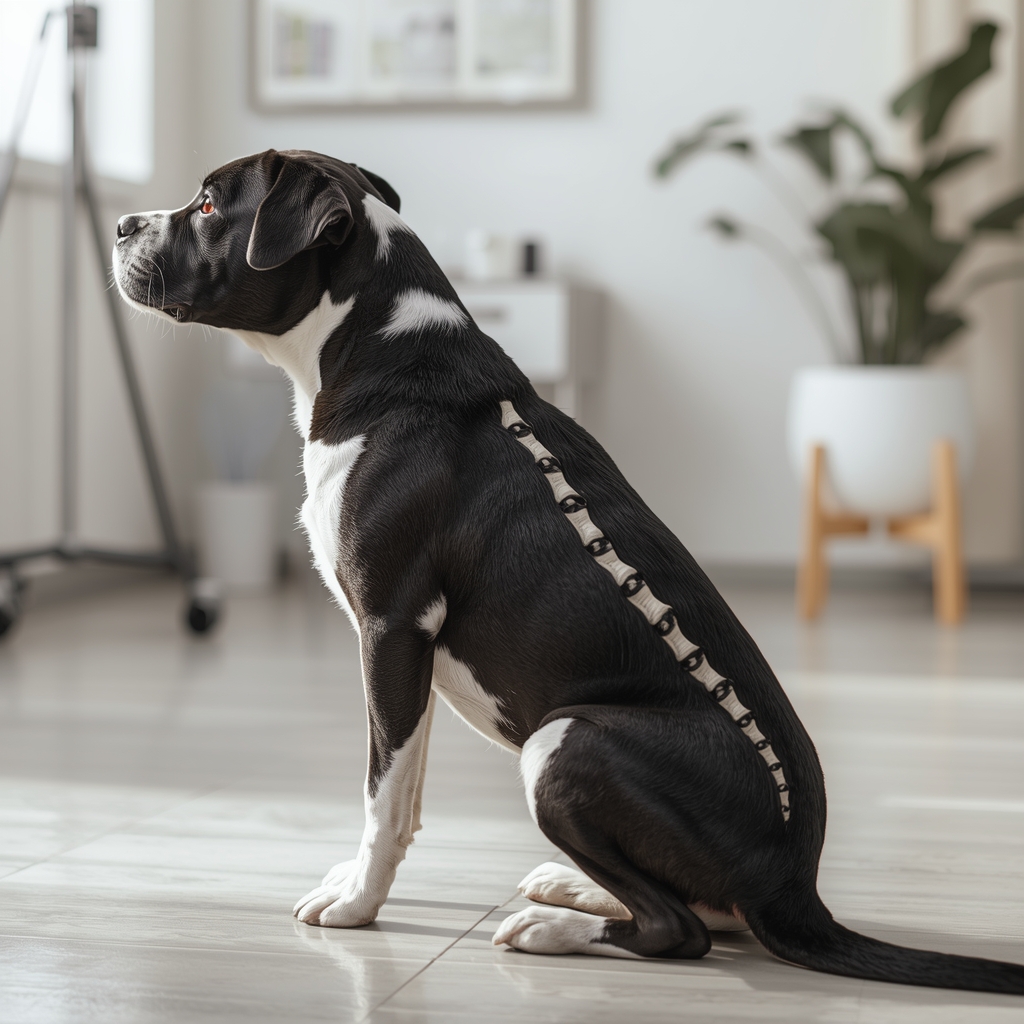
Introduction to Animal Chiropractic for Dogs
Animal chiropractic focuses on the musculoskeletal system of animals, particularly dogs, to improve mobility, alleviate pain, and enhance overall wellness. While human chiropractic care is well-established, animal chiropractic requires specialized techniques tailored to the unique anatomy and behavior of pets. Dogs, like humans, can experience spinal misalignments, joint restrictions, and nerve impingements that affect their movement and comfort. Chiropractors trained in animal care use gentle adjustments to restore balance and function, often complementing traditional veterinary treatments. This approach emphasizes non-invasive, holistic care, addressing issues such as arthritis, hip dysplasia, and post-injury recovery. Understanding the distinctions between human and animal chiropractic methods is essential for ensuring safe and effective treatment for canine patients.
Common Musculoskeletal Issues in Dogs
Dogs are prone to a variety of musculoskeletal challenges, including hip dysplasia, osteoarthritis, intervertebral disc disease, and ligament injuries. These conditions can arise from genetic predispositions, age-related wear, trauma, or overuse. For example, hip dysplasia—a developmental disorder affecting the hip joint—can lead to chronic pain and reduced mobility. Similarly, arthritis often impacts older dogs, causing stiffness and discomfort. Intervertebral disc disease, common in breeds like Dachshunds, involves herniated discs that compress the spinal cord. These issues highlight the importance of early intervention and tailored care. Animal chiropractic aims to address such problems by improving joint function, reducing inflammation, and supporting the body’s natural healing processes. By focusing on the spine and nervous system, chiropractors help dogs regain flexibility and ease their discomfort without relying solely on medication or surgery.
Principles of Animal Chiropractic Adjustments
Animal chiropractic adjustments are based on the principle that proper alignment of the spine and joints is crucial for optimal nervous system function. Chiropractors use manual techniques to detect and correct subluxations—misalignments that interfere with nerve signals. In dogs, these adjustments are typically more gentle than in humans, considering their smaller size, different body structure, and varying pain thresholds. The process often involves palpating the spine and joints to identify areas of restriction, followed by precise, controlled manipulations. These techniques aim to restore range of motion, reduce pain, and improve overall mobility. Unlike human chiropractic care, which may involve more forceful thrusts, animal adjustments are often subtle, using light pressure or specific instruments. This approach ensures the safety and comfort of the animal while addressing musculoskeletal imbalances that affect their quality of life.
Differences in Techniques Between Dogs and Humans
While human and animal chiropractic care share foundational principles, the techniques used differ significantly due to anatomical and behavioral variations. Dogs have a more flexible spine and different joint structures compared to humans, requiring adjustments that are less forceful and more adaptable. For instance, human chiropractors may use high-velocity, low-amplitude thrusts, whereas animal chiropractors often employ low-force methods like activator adjustments or soft tissue work. Additionally, dogs cannot communicate their discomfort verbally, so practitioners rely heavily on physical cues and careful observation to assess treatment needs. The positioning of the animal during adjustments also varies, as dogs may need to be in a prone or lateral position rather than standing or lying flat. These differences underscore the necessity of specialized training for animal chiropractors, ensuring that techniques are both effective and safe for canine patients.
Benefits and Considerations for Canine Patients
Animal chiropractic offers several benefits for dogs, including improved mobility, pain relief, and enhanced recovery from injuries. Many pet owners report noticeable improvements in their dogs’ activity levels and overall demeanor after regular sessions. This form of care is particularly valuable for senior dogs or those with chronic conditions, as it provides a non-invasive alternative to medication or surgery. However, it is crucial to consult a qualified animal chiropractor who has undergone appropriate training and certification. Not all chiropractors are equipped to treat animals, and improper techniques can cause harm. Additionally, animal chiropractic should complement, not replace, veterinary care. Conditions requiring medical intervention, such as fractures or severe infections, need professional veterinary attention. When integrated with conventional treatments, chiropractic care can support a holistic approach to canine health, promoting long-term wellness and comfort.
Conclusion and When to Seek Care
Animal chiropractic plays a vital role in addressing musculoskeletal issues in dogs, offering a safe and effective way to improve their mobility and quality of life. By understanding the differences between human and animal techniques, pet owners can make informed decisions about their dogs’ care. If a dog exhibits signs of pain, stiffness, or reduced activity, consulting a qualified animal chiropractor may provide relief and support. However, it is essential to work alongside a veterinarian to ensure comprehensive care. Regular check-ups and adjustments can help prevent issues from worsening, especially in older or predisposed breeds. As with any healthcare decision, individualized assessment by a professional is key. By combining the expertise of veterinary medicine and animal chiropractic, dogs can enjoy greater comfort, flexibility, and a healthier, more active lifestyle.













