
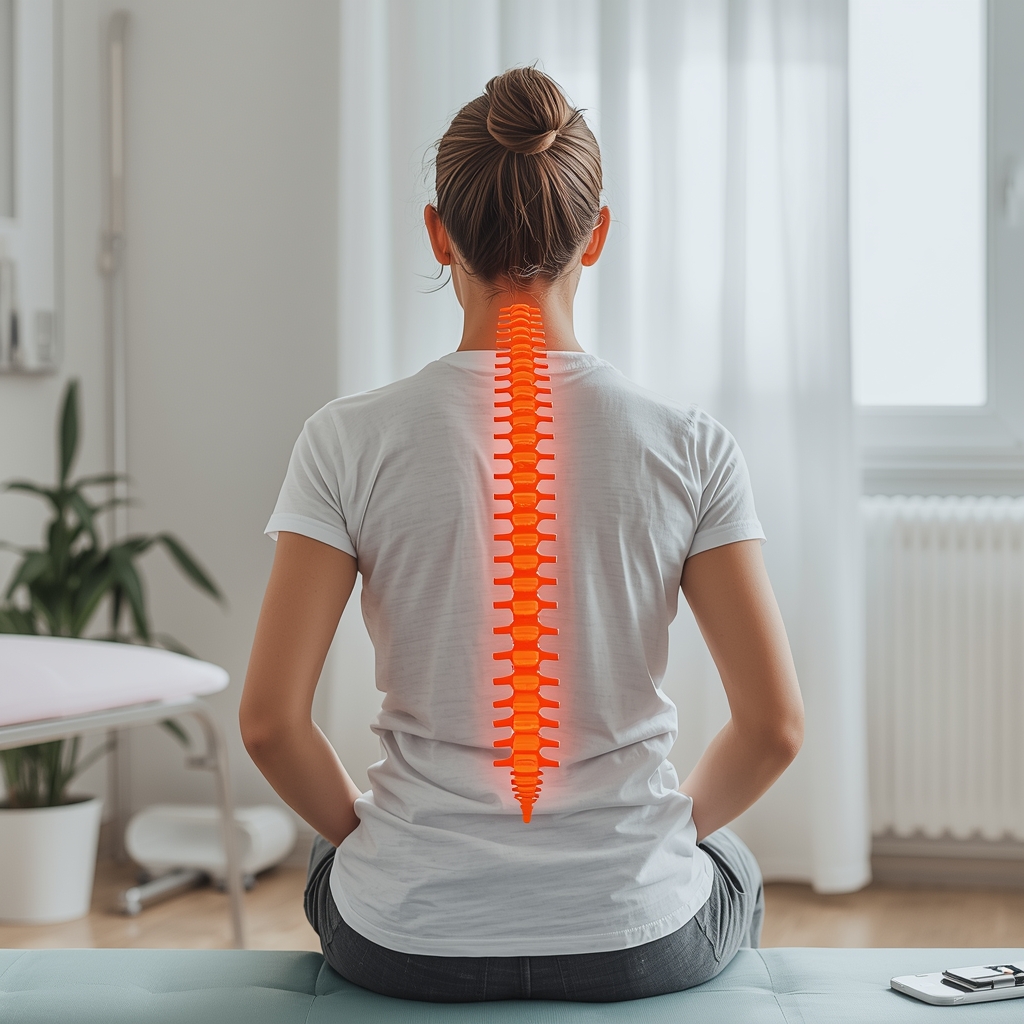
Understanding Adolescent Scoliosis
Scoliosis is a condition characterized by an abnormal sideways curvature of the spine, often detected during adolescence when rapid growth occurs. While mild cases may not cause symptoms, more severe curves can lead to postural imbalances, discomfort, or breathing difficulties. The exact cause is often unknown (idiopathic), though genetic factors and growth patterns play a role. Early identification is critical, as monitoring progression helps determine the need for intervention. Chiropractic care focuses on managing symptoms and supporting spinal function, rather than correcting the curvature itself. This approach emphasizes collaboration with other healthcare providers to ensure comprehensive care for adolescents.
Chiropractic Approaches for Scoliosis
Chiropractic care for adolescent scoliosis involves gentle spinal adjustments and soft tissue therapies to alleviate discomfort and improve mobility. Techniques such as spinal manipulation aim to restore balance to the musculoskeletal system, though they do not straighten the spine. Chiropractors may also recommend posture correction exercises and ergonomic adjustments to reduce strain on the spine. It is important to note that chiropractic treatment is typically part of a broader care plan, often involving orthopedic specialists or physical therapists. The goal is to support the body’s natural ability to function optimally while monitoring for any changes in the curvature. Patients and families should consult a qualified chiropractor to explore how these approaches might complement other treatments.
Monitoring for Progression
Regular monitoring is essential for adolescents with scoliosis to track the curvature’s development over time. This often includes physical examinations and imaging studies like X-rays, which help measure the degree of spinal deviation using the Cobb angle. The frequency of monitoring depends on the initial curve severity and the patient’s growth stage. For example, children with mild scoliosis may be checked every 4–6 months, while those with more significant curves might require closer observation. Chiropractors work alongside medical professionals to ensure accurate assessments and timely interventions. Early detection of rapid progression allows for adjustments in treatment strategies, such as bracing or referrals for specialized care, to prevent complications.
The Role of Regular Check-Ups
Consistent follow-up visits with a chiropractor are vital for adolescents with scoliosis, as they provide opportunities to evaluate treatment effectiveness and address emerging concerns. During these appointments, chiropractors assess posture, range of motion, and any changes in symptoms. They may also review the patient’s growth patterns and adjust care plans accordingly. These check-ups help maintain open communication between the patient, family, and healthcare team, ensuring that all aspects of the condition are managed holistically. For instance, if a child experiences increased pain or postural changes, the chiropractor can collaborate with other providers to explore additional support strategies. Regular monitoring empowers families to make informed decisions about their child’s care.
Non-Surgical Management Strategies
Non-surgical approaches are often the first line of treatment for adolescent scoliosis, with chiropractic care playing a supportive role. These strategies may include targeted exercises to strengthen core muscles, improve flexibility, and enhance posture. Chiropractors might also incorporate modalities like heat therapy or massage to ease muscle tension associated with the condition. In some cases, orthopedic bracing is recommended to prevent further curvature progression, particularly during growth spurts. While chiropractic adjustments do not replace medical interventions, they can help manage symptoms and improve quality of life. Patients should work closely with their chiropractor and healthcare providers to create a personalized plan that aligns with their specific needs and goals.
When to Seek Further Intervention
If scoliosis progresses rapidly or causes significant functional limitations, additional medical interventions may be necessary. Chiropractors play a role in identifying warning signs, such as worsening pain, visible spinal deformity, or difficulty with daily activities. In such cases, they may refer patients to orthopedic specialists for further evaluation. Bracing or surgery could be considered for severe curves, depending on the patient’s age, curve magnitude, and growth potential. Chiropractic care remains a complementary option, focusing on symptom management and overall wellness. Families should prioritize open dialogue with healthcare providers to determine the most appropriate course of action. Regular monitoring and a multidisciplinary approach are key to addressing the unique challenges of adolescent scoliosis effectively.












