
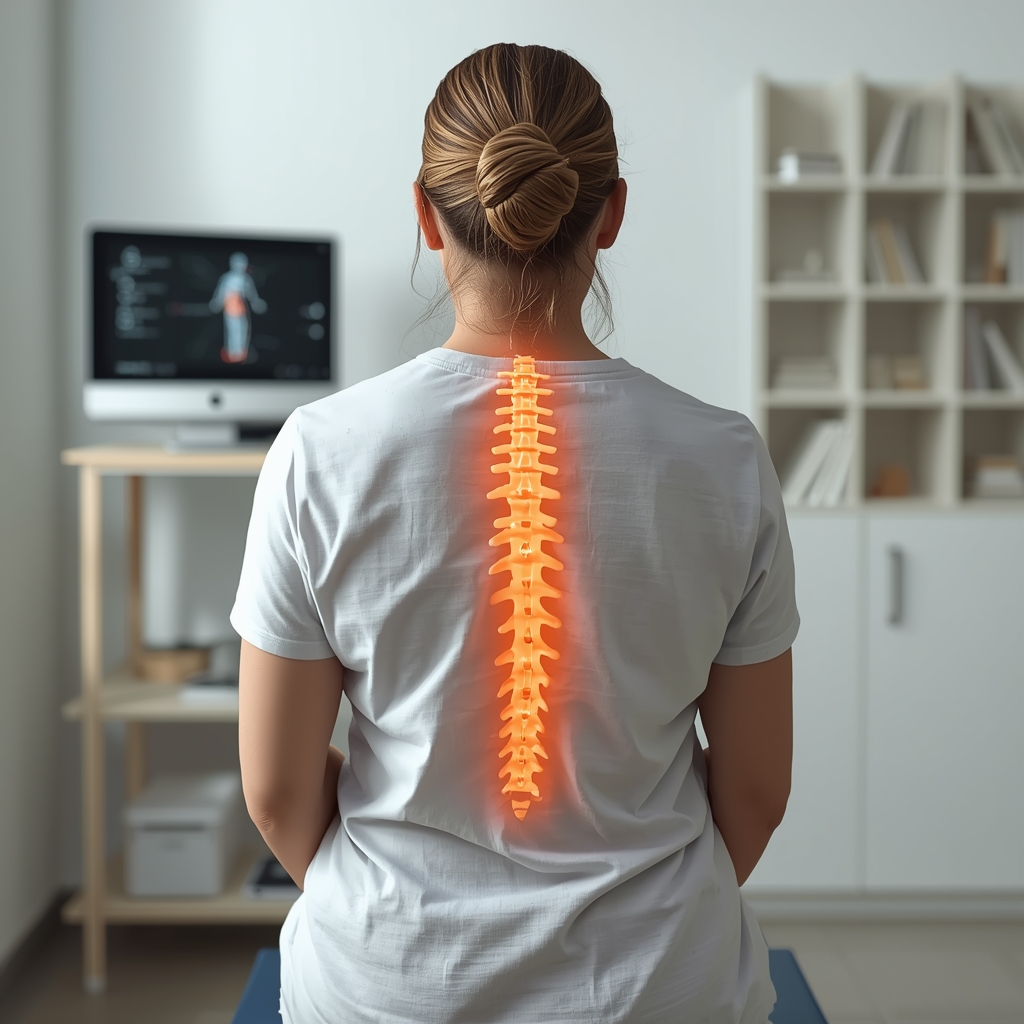
Understanding Adolescent Scoliosis
Adolescent scoliosis involves abnormal spinal curvature, often detected during growth spurts. Unlike adult scoliosis, it can progress rapidly if untreated. Chiropractors play a key role in managing this condition by focusing on posture, alignment, and mobility. Early intervention is critical, as the spine is still developing. While bracing and surgery are common medical approaches, chiropractic care offers complementary strategies to support spinal health. Understanding the unique needs of adolescents—such as their activity levels and growth patterns—helps tailor effective treatment plans. Chiropractors collaborate with other healthcare providers to ensure a holistic approach, prioritizing non-invasive methods to reduce pain and improve function.
Spinal Correction Techniques for Scoliosis
Chiropractors use targeted spinal correction techniques to address adolescent scoliosis. These may include spinal adjustments to realign the vertebrae and reduce curvature. Techniques like the Gonstead method or diversified adjustments focus on restoring proper biomechanics. For adolescents, gentle, low-force approaches are often preferred to accommodate their developing spines. Chiropractors may also incorporate soft tissue therapies to relieve muscle tension around the spine. The goal is to improve posture, enhance mobility, and prevent further curvature progression. Treatment plans are customized based on the severity of the condition, the patient’s age, and their lifestyle. Regular follow-ups ensure adjustments remain effective as the adolescent grows.
Monitoring Tools and Diagnostic Assessments
Accurate monitoring is essential for tracking scoliosis progression and treatment effectiveness. Chiropractors use tools like digital X-rays, postural analysis, and spinal thermography to assess curvature and nerve function. These technologies help identify subtle changes in spinal alignment over time. Infrared imaging, for example, can detect temperature imbalances that may indicate nerve interference. Chiropractors may also employ gait analysis to evaluate how scoliosis affects movement patterns. By combining these diagnostic tools with patient feedback, chiropractors create data-driven treatment plans. Regular monitoring ensures adjustments are timely and effective, reducing the risk of complications as the adolescent matures.
Customizing Treatment Plans for Individual Needs
Every adolescent with scoliosis has unique needs, requiring personalized treatment strategies. Chiropractors consider factors like the degree of curvature, the patient’s activity level, and any associated symptoms. For instance, an active athlete may benefit from techniques that support flexibility and strength, while a sedentary student might need more focus on posture correction. Treatment plans often integrate multiple approaches, such as spinal adjustments, corrective exercises, and ergonomic advice. Chiropractors also address emotional and psychological aspects, as scoliosis can impact self-esteem. By tailoring care to the individual, chiropractors help adolescents achieve better outcomes and maintain long-term spinal health.
Patient Compliance and Follow-Up Care
Successful scoliosis management relies heavily on patient compliance and consistent follow-up. Adolescents must adhere to recommended exercises, wear braces if prescribed, and attend regular chiropractic sessions. Chiropractors educate patients and families on the importance of these steps, fostering a collaborative approach to care. Regular check-ups allow for adjustments to the treatment plan as the spine develops. Chiropractors may also provide guidance on lifestyle modifications, such as proper sleep positions or ergonomic setups. By maintaining open communication and adapting to the patient’s progress, chiropractors ensure treatment remains effective throughout adolescence.
Collaborative Care and Long-Term Outcomes
Chiropractors often work alongside orthopedic specialists, physical therapists, and pediatricians to provide comprehensive care for adolescent scoliosis. This multidisciplinary approach ensures all aspects of the condition are addressed, from structural alignment to functional mobility. Chiropractors may refer patients for additional interventions if needed, such as bracing or surgery. Long-term outcomes depend on early detection, consistent treatment, and patient engagement. By focusing on non-invasive, patient-centered care, chiropractors help adolescents manage scoliosis effectively. Regular monitoring and adjustments support spinal health, reducing the risk of complications and improving quality of life as the patient grows.















