
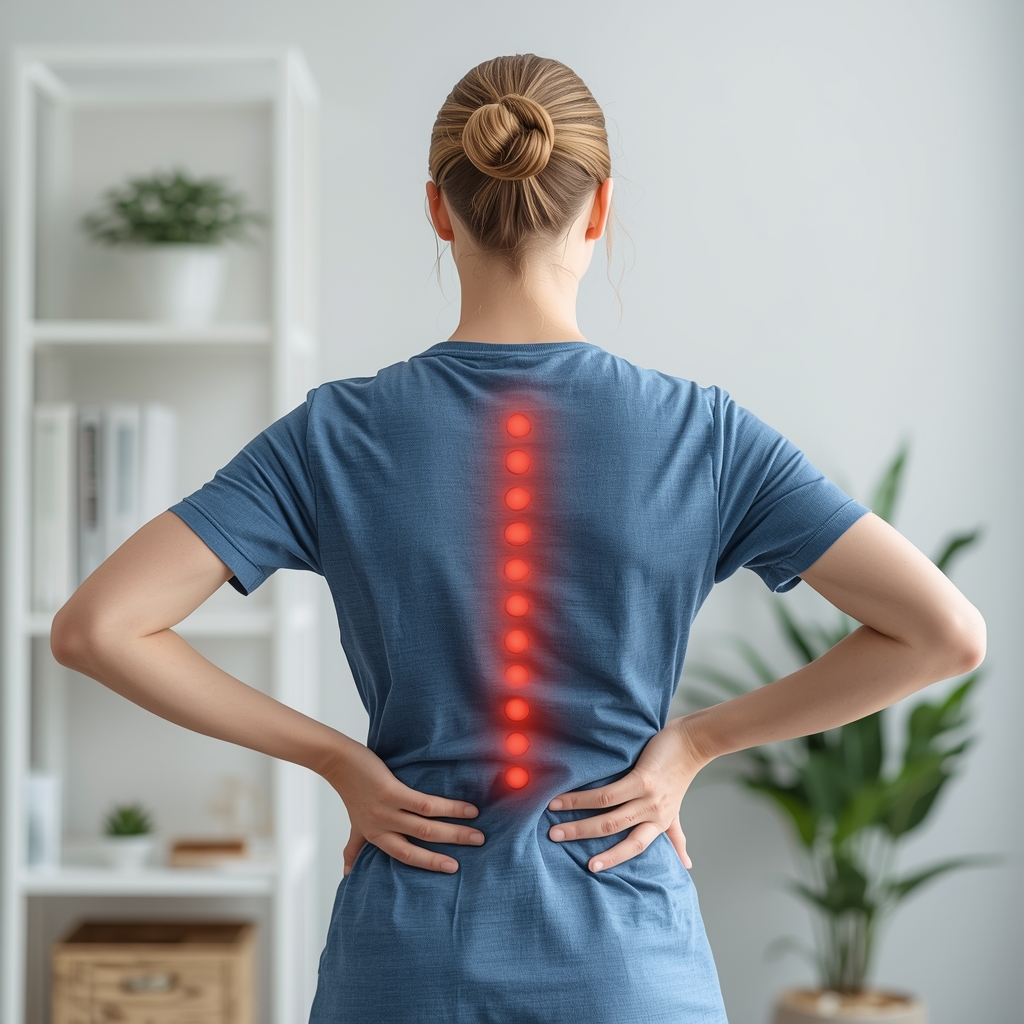
Understanding Scoliosis in Adolescents
Scoliosis is a spinal condition characterized by an abnormal sideways curvature, often diagnosed during adolescence. While mild cases may not require intervention, moderate curves can progress if left unaddressed. Early detection through routine screenings is critical, as timely chiropractic care may help manage symptoms and reduce the risk of worsening curvature. Non-surgical approaches focus on improving spinal alignment, strengthening musculature, and promoting overall postural health. By addressing imbalances early, adolescents may experience better long-term outcomes, avoiding more invasive treatments later. Chiropractors play a key role in monitoring spinal development and tailoring care plans to individual needs, emphasizing proactive, patient-centered strategies.
Spinal Adjustments and Manual Techniques
Spinal adjustments, a cornerstone of chiropractic care, involve gentle manipulations to restore proper alignment and mobility. For adolescents with scoliosis, these techniques aim to reduce pressure on nerves and improve spinal function. While adjustments alone may not correct curvature, they can alleviate pain and enhance range of motion. Chiropractors may use specialized methods, such as the Diversified or Gonstead techniques, to address specific areas of misalignment. The goal is to support the body’s natural ability to adapt, rather than force correction. Regular sessions, combined with other therapies, may help maintain spinal stability. However, results vary, and a qualified provider should assess whether adjustments are suitable for each patient’s condition.
Corrective Exercises and Postural Training
Corrective exercises are often integrated into chiropractic care to strengthen weak muscles and improve posture. These tailored routines target imbalances that contribute to scoliosis, such as underdeveloped core muscles or asymmetrical shoulder positioning. Activities like yoga, Pilates, and resistance training can enhance flexibility and stability. Chiropractors may collaborate with physical therapists to design programs that complement spinal adjustments. Consistent practice helps reinforce proper alignment and reduce strain on the spine. For adolescents, incorporating these exercises into daily routines can foster long-term habits. While not a standalone solution, this approach supports the body’s ability to maintain balance, potentially slowing curvature progression when combined with other interventions.
Soft Tissue Therapies and Myofascial Release
Soft tissue therapies, including massage and myofascial release, address tension in muscles and connective tissues that may exacerbate scoliosis-related discomfort. These techniques help relieve tightness in areas like the back, hips, and shoulders, promoting better mobility. By reducing muscle spasms and improving circulation, they can enhance the effectiveness of spinal adjustments. Chiropractors may use tools like foam rollers or handheld massagers, or perform hands-on treatments to break up adhesions. While not a primary treatment for curvature, soft tissue work supports overall spinal health. Adolescents often find these methods comfortable and accessible, making them a valuable component of a comprehensive care plan.
Monitoring and Preventive Strategies
Regular monitoring is essential for adolescents with scoliosis to track spinal changes and adjust care plans accordingly. Chiropractors may use physical exams, imaging, or posture assessments to evaluate progress. Early intervention focuses on preventing further curvature through consistent care and lifestyle adjustments. Patients and families are often educated on recognizing warning signs, such as uneven shoulders or a visible curve. Preventive strategies include ergonomic adjustments, activity modifications, and maintaining an active lifestyle. By fostering awareness and engagement, these approaches empower adolescents to take an active role in their health. Ongoing communication with a chiropractor ensures that any shifts in condition are addressed promptly.
Collaborative Care and Individualized Approaches
Managing scoliosis in adolescents requires a collaborative, personalized approach. Chiropractors often work alongside orthopedic specialists, physical therapists, and other healthcare providers to create a holistic care plan. This teamwork ensures that all aspects of the condition are addressed, from spinal alignment to functional mobility. Individualized strategies consider the patient’s unique curvature, lifestyle, and goals, avoiding a one-size-fits-all solution. Open dialogue between patients, families, and providers is vital for making informed decisions. While non-surgical techniques can be effective, their success depends on adherence and regular follow-ups. Ultimately, a multidisciplinary perspective maximizes the potential for positive outcomes in adolescent scoliosis management.













