
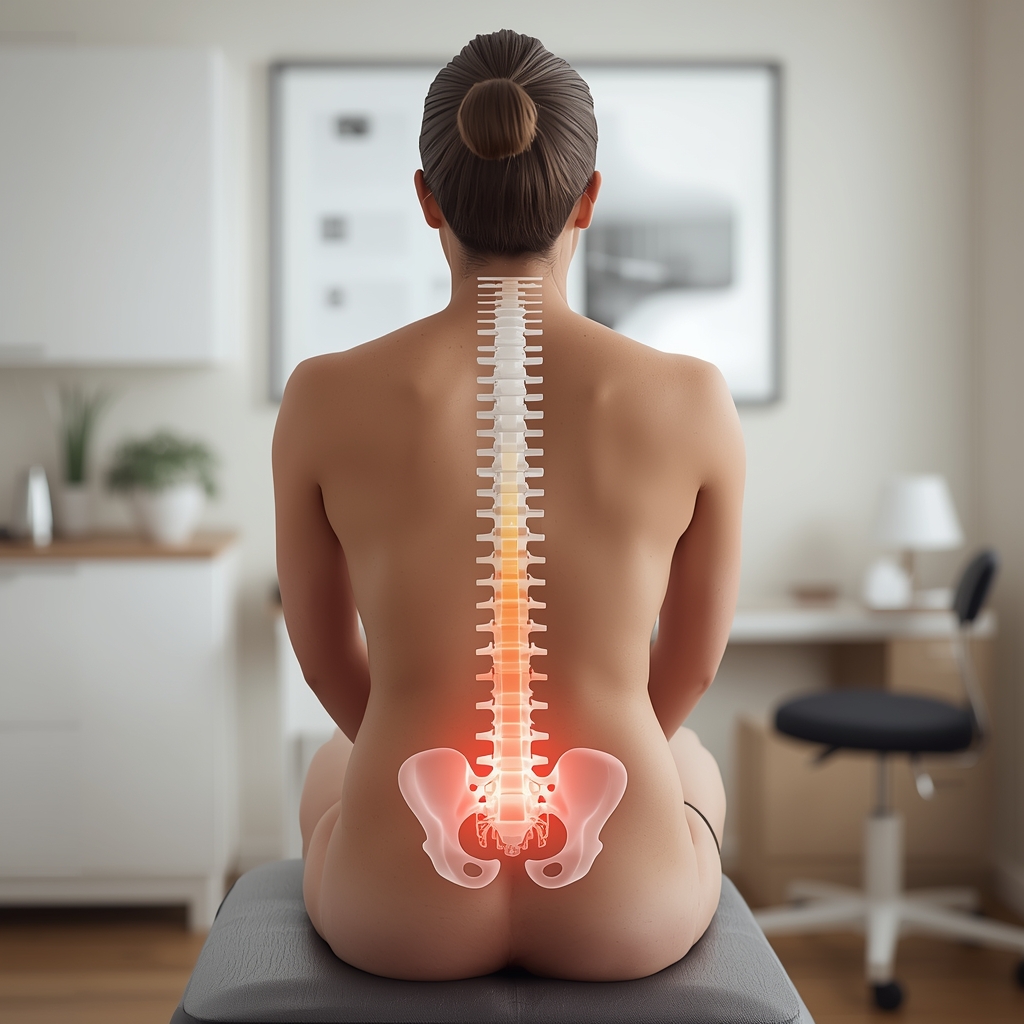
Understanding Piriformis Syndrome and Posture
Piriformis syndrome occurs when the piriformis muscle, located in the buttocks, compresses the sciatic nerve, causing pain, tingling, or numbness in the buttocks and legs. While direct trauma or overuse can trigger the condition, poor posture often plays a significant role. Prolonged sitting, slouching, or uneven weight distribution can alter the pelvis’s natural alignment, increasing tension on the piriformis muscle. This misalignment may cause the muscle to tighten or become inflamed, exacerbating nerve irritation. Recognizing the connection between posture and piriformis syndrome is key to effective management, as addressing postural habits can reduce symptoms and prevent recurrence.
How Poor Posture Affects Pelvic Alignment
Poor posture, such as sitting with a forward-tilted pelvis or slouching, can shift the spine and pelvis out of their optimal position. This misalignment places abnormal stress on the muscles and joints of the lower back and hips. For example, a tucked pelvis (posterior tilt) may shorten the piriformis muscle, while an anteriorly rotated pelvis can stretch it, both leading to dysfunction. Over time, these postural imbalances can compromise the muscle’s ability to function properly, increasing the risk of piriformis syndrome. Additionally, uneven weight distribution, such as favoring one leg while standing, may further strain the piriformis and surrounding structures, compounding the issue.
The Link Between Pelvic Misalignment and Piriformis Syndrome
Pelvic misalignment directly impacts the piriformis muscle’s position and function. When the pelvis is out of alignment, the muscle may become either overly tight or excessively stretched, disrupting its normal biomechanics. This can lead to increased pressure on the sciatic nerve, triggering piriformis syndrome symptoms. For instance, a tilted pelvis may alter the angle at which the piriformis attaches to the femur, causing it to rub against the nerve. Additionally, imbalanced muscle forces around the pelvis can create compensatory patterns, further aggravating the condition. Addressing these postural and structural issues is essential to reducing inflammation and restoring proper nerve function.
Chiropractic Adjustments for Pelvic Realignment
Chiropractic adjustments can help restore proper pelvic alignment, alleviating pressure on the piriformis muscle and sciatic nerve. A chiropractor may use specific techniques, such as spinal manipulation or mobilization, to correct misalignments in the sacrum, pelvis, or lumbar spine. These adjustments aim to reduce muscle tension, improve joint mobility, and restore the body’s natural biomechanics. By realigning the pelvis, chiropractors can decrease the likelihood of piriformis muscle compression and promote healing. Patients often experience relief as the nerve irritation subsides and muscle function normalizes. Regular adjustments, combined with postural corrections, can provide long-term symptom management and prevent future flare-ups.
Posture Correction Techniques and Exercises
Improving posture through targeted exercises and ergonomic adjustments can complement chiropractic care for piriformis syndrome. Strengthening the core and gluteal muscles helps stabilize the pelvis, reducing strain on the piriformis. Stretching tight hip flexors or hamstrings, which can contribute to pelvic tilt, may also alleviate symptoms. Simple changes, such as using an ergonomic chair or taking frequent breaks from sitting, can prevent postural imbalances. Additionally, practicing mindful posture—keeping the ears, shoulders, and hips aligned—supports long-term musculoskeletal health. These strategies, when integrated with professional care, create a holistic approach to managing piriformis syndrome and preventing its recurrence.
When to Seek Professional Help
If piriformis syndrome symptoms persist despite self-care efforts, consulting a chiropractor is advisable. A qualified provider can assess postural habits, perform diagnostic evaluations, and develop a personalized treatment plan. Chiropractors may combine adjustments with soft tissue therapies, such as Active Release Technique (ART), to address muscle tightness. They can also guide patients on proper posture and exercise routines tailored to their needs. Early intervention is crucial to prevent chronic discomfort and complications. By working with a healthcare professional, individuals can effectively manage piriformis syndrome and achieve lasting relief through a comprehensive, patient-centered approach.













