
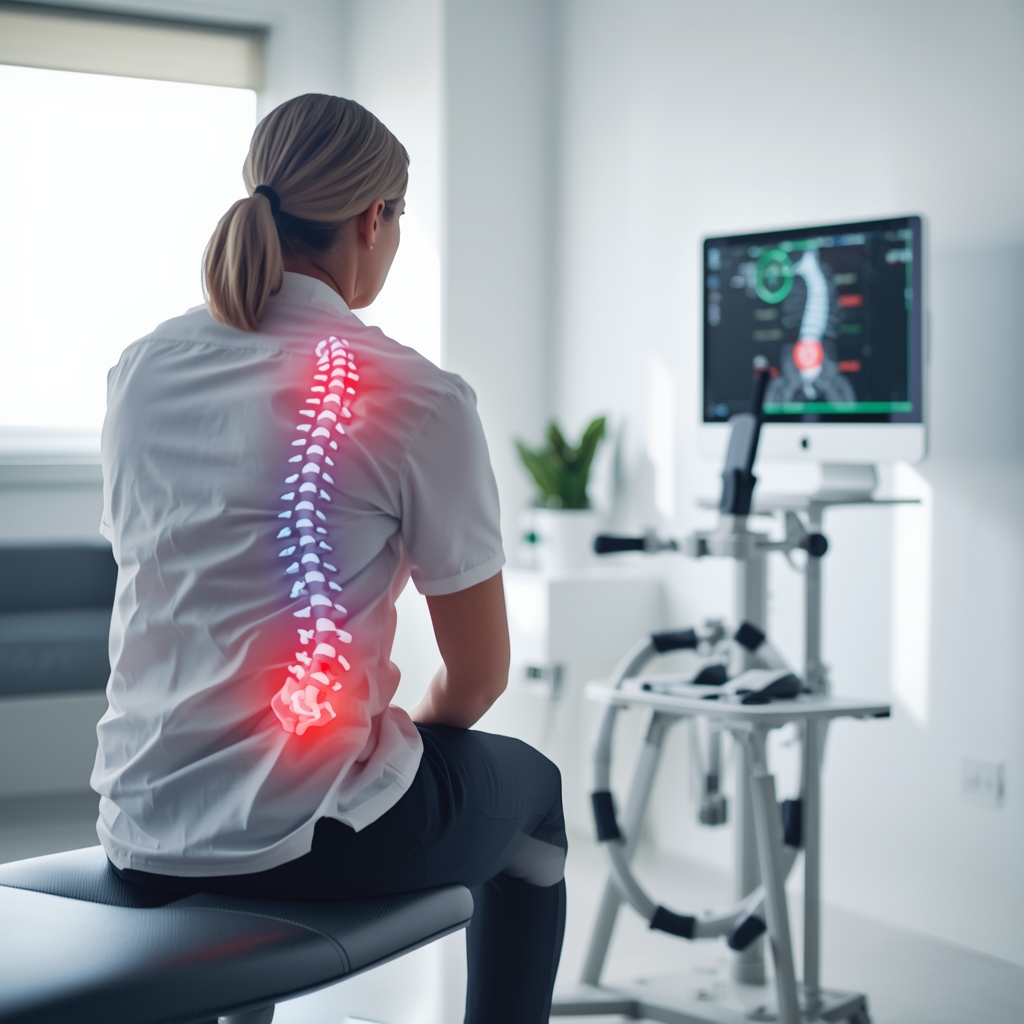
Advancements in Digital Motion Analysis for Joint Monitoring
Recent developments in digital motion analysis have enabled chiropractors to more precisely assess joint movement patterns after surgery. These systems use sensors and software to track range of motion, gait, and alignment, providing objective data to guide rehabilitation. By identifying asymmetries or restricted movement, practitioners can tailor adjustments and exercises to address specific limitations. This technology supports a proactive approach to recovery, helping patients regain mobility while minimizing the risk of compensatory injuries. While not replacing clinical judgment, these tools enhance the accuracy of post-surgical evaluations and treatment planning.
Wearable Sensors for Real-Time Recovery Tracking
Wearable sensors are revolutionizing post-surgical care by offering continuous monitoring of patient activity and biomechanics. Devices like smart braces and activity trackers measure movement, posture, and muscle engagement, transmitting data to chiropractors for real-time analysis. This allows for immediate adjustments to rehabilitation protocols based on individual progress. Patients benefit from personalized feedback, encouraging adherence to prescribed routines. Such technology also helps detect early signs of complications, such as improper weight distribution or reduced mobility. By bridging the gap between in-office visits, these tools foster more consistent and responsive recovery management.
Cold Laser Therapy for Post-Surgical Tissue Healing
Cold laser therapy, or low-level laser therapy (LLLT), is gaining traction as a non-invasive option to support tissue repair after joint replacement. This technology uses specific light wavelengths to stimulate cellular activity, potentially reducing inflammation and accelerating healing. Chiropractors may incorporate it to address pain and swelling, complementing traditional adjustments. While research continues, many practitioners report improved patient outcomes with its use, particularly in enhancing soft tissue recovery. As part of a holistic approach, cold laser therapy offers a drug-free alternative to support the body’s natural healing processes during rehabilitation.
Electrical Stimulation Devices for Neuromuscular Re-education
Electrical stimulation devices are being integrated into post-surgical rehabilitation to re-engage muscles weakened by inactivity or surgical trauma. These tools deliver controlled electrical impulses to stimulate muscle contractions, promoting strength and coordination without straining the joint. Chiropractors use them to address muscle atrophy and improve proprioception, aiding in functional recovery. The technology is often combined with targeted exercises to rebuild neuromuscular pathways. While not a standalone solution, electrical stimulation provides a valuable adjunct to manual therapies, helping patients regain stability and confidence in their movements.
Telehealth Platforms for Remote Post-Surgical Support
Telehealth innovations are expanding access to chiropractic care during post-surgical recovery. Secure video consultations and remote monitoring apps allow practitioners to assess progress, adjust treatment plans, and provide guidance without in-person visits. Patients can share movement data, pain levels, and functional milestones, enabling timely interventions. This approach is especially beneficial for those with limited mobility or living in remote areas. Telehealth also fosters ongoing communication, reinforcing patient compliance with rehabilitation protocols. As technology evolves, these platforms are becoming essential in delivering continuous, patient-centered care throughout the recovery journey.
3D Imaging for Precision in Joint Assessment
Advances in 3D imaging technology are enhancing the accuracy of joint evaluations post-surgery. Systems like 3D motion capture and advanced X-ray analysis provide detailed insights into alignment, joint mechanics, and tissue response. Chiropractors use this data to detect subtle deviations that may affect long-term outcomes. By visualizing structural changes in real time, practitioners can refine adjustments and recommend targeted therapies. This level of precision supports more effective rehabilitation strategies, ensuring that interventions address both immediate and underlying issues. As 3D imaging becomes more accessible, it is poised to play a key role in optimizing recovery for joint replacement patients.













