
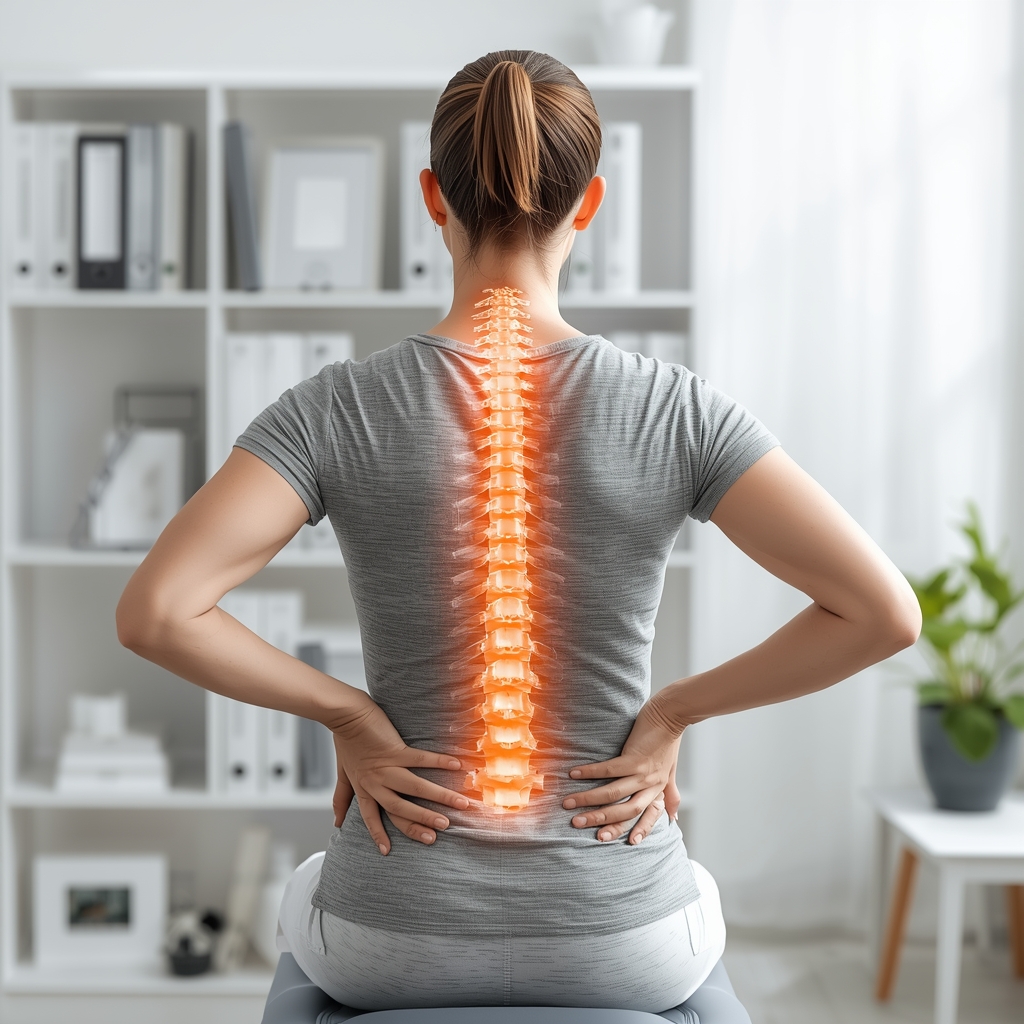
Understanding Non-Surgical Chiropractic Approaches for Adult Scoliosis
Adult scoliosis, characterized by an abnormal spinal curvature, can cause pain, reduced mobility, and postural challenges. While surgery is an option for severe cases, many patients seek non-surgical methods to manage symptoms and improve function. Chiropractic care focuses on spinal alignment, soft tissue health, and neuromuscular reeducation to address scoliosis-related discomfort. These approaches aim to reduce pressure on nerves, enhance flexibility, and support the body’s natural healing processes. By prioritizing conservative care, patients often experience improved quality of life without invasive interventions. It’s important to consult a qualified chiropractor to determine the most appropriate strategies for individual needs.
Spinal Adjustments and Realignment Techniques
Spinal adjustments are a cornerstone of chiropractic care for scoliosis. These manual manipulations aim to correct misalignments in the spine, potentially reducing curvature-related stress on muscles and nerves. Techniques like diversified adjustments or activator methods are tailored to the patient’s condition, focusing on gentle realignment rather than forceful corrections. While adjustments alone may not reverse scoliosis, they can alleviate pain, improve range of motion, and enhance overall spinal function. Patients often report reduced discomfort and better posture after consistent sessions. However, results vary, and adjustments are typically part of a broader treatment plan that includes other therapies.
Soft Tissue Therapies for Muscle Imbalances
Adult scoliosis often leads to muscle imbalances, where certain spinal muscles become overactive or weakened. Soft tissue therapies, such as Active Release Technique (ART) or Graston Technique, target these imbalances by breaking down scar tissue and restoring muscle flexibility. These methods can ease tension in tight muscles and stimulate underactive ones, promoting better spinal support. By addressing soft tissue restrictions, chiropractors help reduce pain and improve biomechanics. Patients may also benefit from myofascial release or trigger point therapy, which further alleviates discomfort. Combining these therapies with spinal adjustments can create a more balanced approach to managing scoliosis symptoms.
Corrective Exercises and Posture Training
Customized corrective exercises are a vital component of non-surgical scoliosis management. These exercises, designed by chiropractors or physical therapists, focus on strengthening weak muscles and stretching tight ones to support spinal alignment. Activities like Pilates, yoga, or specific resistance training can enhance core stability and posture. Posture training educates patients on maintaining proper alignment during daily activities, reducing strain on the spine. Consistent practice can lead to improved mobility and decreased pain over time. While these exercises complement chiropractic care, their effectiveness depends on individual adherence and guidance from a qualified professional.
Decompression Therapy for Nerve Relief
Spinal decompression therapy is a non-surgical option that uses gentle traction to relieve pressure on spinal nerves and discs. This technique can be particularly beneficial for patients with scoliosis-related nerve compression, which may cause radiating pain or numbness. By creating space between vertebrae, decompression therapy may reduce inflammation and improve nerve function. It is often used alongside other chiropractic methods to enhance overall outcomes. Patients typically experience gradual relief as the therapy addresses both structural and neurological components of scoliosis. However, it is not a standalone solution and works best as part of a comprehensive care plan.
Improving Quality of Life Through Integrated Care
Non-surgical chiropractic techniques can significantly enhance the quality of life for adults with scoliosis by addressing pain, mobility, and functional limitations. By combining spinal adjustments, soft tissue work, and corrective exercises, patients often experience reduced discomfort and greater ease in daily activities. Improved posture and muscle balance can also boost confidence and reduce the risk of secondary complications. While these methods do not cure scoliosis, they empower patients to manage symptoms effectively. Open communication with a chiropractor ensures that care plans are personalized, allowing for ongoing adjustments as needs evolve. Ultimately, a holistic approach fosters long-term well-being and resilience.














