
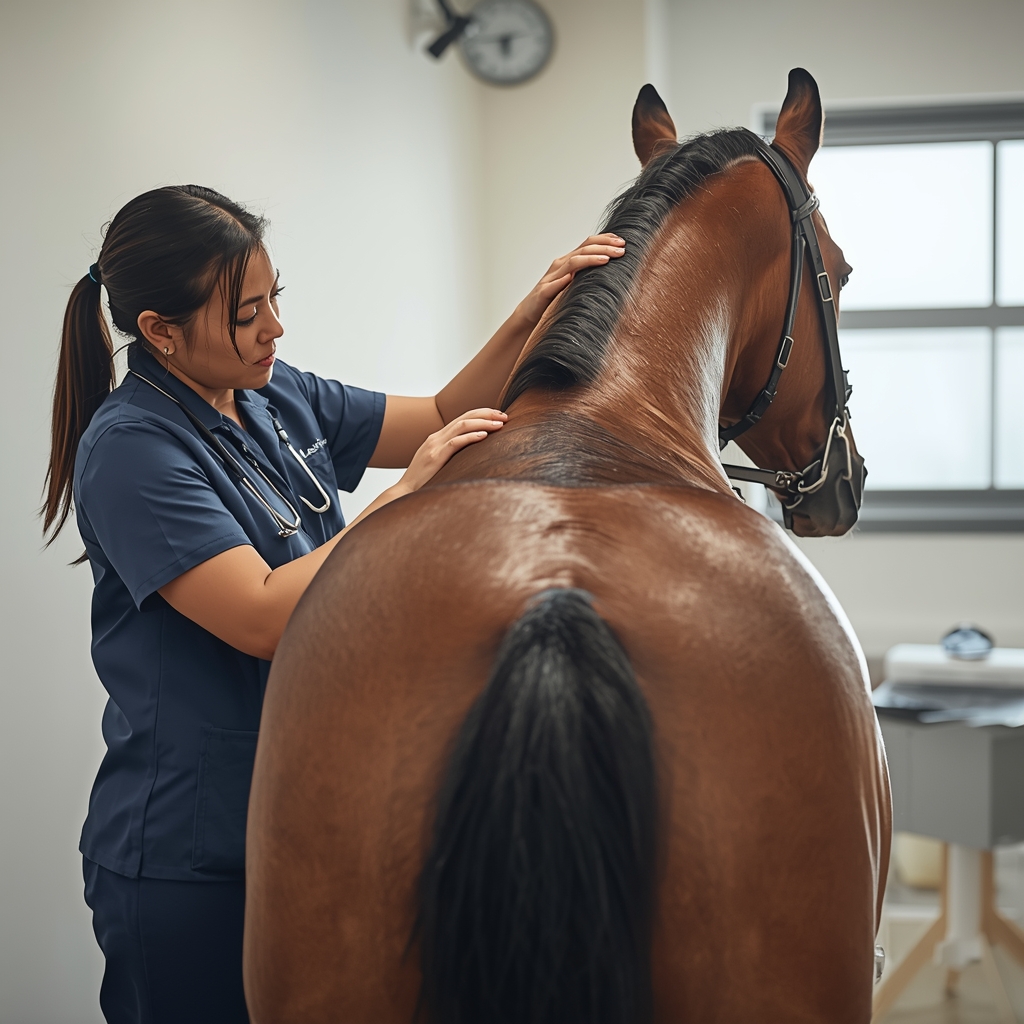
Understanding Equine Chiropractic Care
Equine chiropractic care focuses on the musculoskeletal health of horses, particularly their spine and joints. For athletic horses, maintaining optimal alignment is crucial for performance and overall well-being. Chiropractors use manual adjustments to correct subluxations—misalignments that can hinder nerve function and reduce mobility. This approach is often integrated with traditional veterinary care to address issues like stiffness, lameness, or gait abnormalities. Unlike human chiropractic care, equine adjustments require specialized techniques tailored to a horse’s larger frame and unique anatomy. Regular sessions can help identify subtle imbalances before they escalate into serious problems, making it a valuable tool for proactive health management in high-performance animals.
Key Considerations for Equine Athletes
When applying chiropractic care to equine athletes, several factors must be considered. First, the horse’s activity level and specific sport (e.g., jumping, racing, or dressage) influence the type of adjustments needed. A qualified equine chiropractor should have experience with the animal’s breed, size, and movement patterns. Regular assessments are essential, as even minor misalignments can affect performance. Additionally, the horse’s overall health, including muscle tone and joint flexibility, plays a role in treatment planning. Owners and trainers must collaborate with professionals to ensure care aligns with the animal’s training schedule and recovery needs. Safety is paramount, so practitioners must use techniques suitable for the horse’s temperament and physical condition to avoid stress or injury during sessions.
Enhancing Performance Through Chiropractic Adjustments
Proper spinal and joint alignment can significantly enhance a horse’s athletic performance. When the musculoskeletal system functions optimally, horses experience improved balance, flexibility, and coordination. This can translate to faster speeds, better agility, and more consistent movement patterns. Chiropractic care also supports neuromuscular efficiency, allowing the horse to respond more effectively to training cues. By reducing pain or discomfort caused by misalignments, adjustments help horses maintain peak performance without unnecessary strain. For example, a horse with a restricted pelvis may struggle with hind-end power, but targeted adjustments can restore mobility. Regular sessions can also prevent performance plateaus, ensuring the animal remains competitive and comfortable throughout their career.
Injury Prevention and Long-Term Health
Chiropractic care plays a vital role in preventing injuries by addressing biomechanical imbalances before they lead to trauma. Horses under physical stress—such as those in rigorous training—often develop compensatory movement patterns that increase the risk of strains, lameness, or joint degeneration. Regular adjustments help maintain proper posture and joint function, reducing the likelihood of overuse injuries. Additionally, early detection of issues like sacroiliac joint dysfunction or thoracic spine misalignments allows for timely intervention. This proactive approach not only minimizes downtime but also extends the horse’s athletic career. By prioritizing spinal health, owners can support their animals’ long-term vitality, ensuring they remain sound and active well into their later years.
Integration with Veterinary and Holistic Approaches
Equine chiropractic care is most effective when combined with other veterinary and holistic treatments. Collaboration with veterinarians ensures that adjustments complement medical therapies for conditions like arthritis or laminitis. Physical therapy, acupuncture, or massage may also be used alongside chiropractic sessions to enhance recovery and mobility. Nutrition and exercise programs should align with the horse’s chiropractic needs, as muscle strength and flexibility directly impact spinal health. Owners should work with a multidisciplinary team to create a comprehensive care plan. This integrative approach addresses both the symptoms and root causes of musculoskeletal issues, promoting overall wellness. By viewing chiropractic care as part of a broader health strategy, equine athletes can achieve better outcomes and sustained performance.
Consulting a Qualified Professional
Owners of equine athletes should seek care from a certified equine chiropractor with experience in the animal’s specific discipline. Proper training and certification ensure the practitioner understands the unique challenges of working with horses. Before starting treatment, a thorough examination is necessary to identify any underlying conditions that may affect adjustments. Open communication between the owner, trainer, and chiropractor is essential for tailoring care to the horse’s needs. While chiropractic care offers numerous benefits, it is not a substitute for veterinary medical treatment. Regular follow-ups and adjustments, combined with a holistic health plan, can maximize the horse’s potential. Always consult a qualified professional to determine the best approach for your equine athlete’s well-being.











