
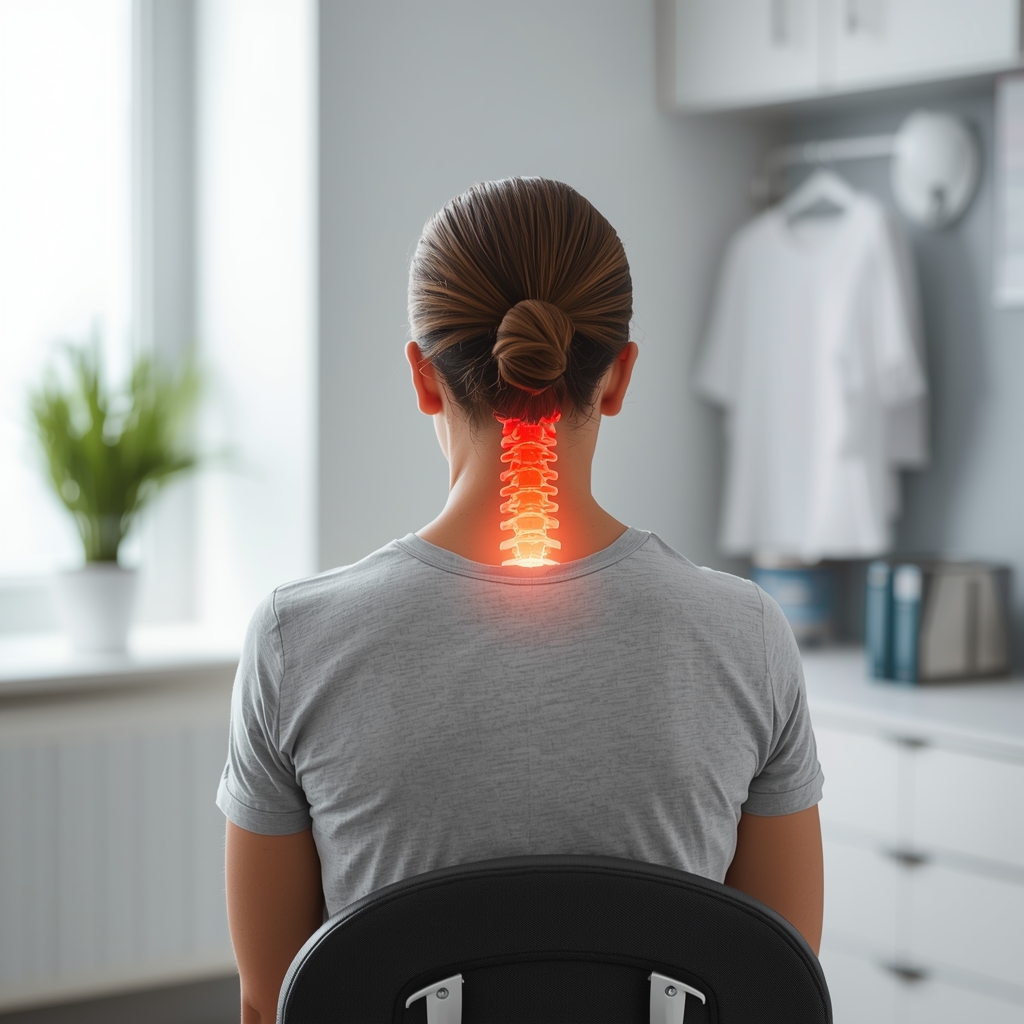
Understanding Cervical Radiculopathy and Its Impact
Cervical radiculopathy, often called a "pinched nerve" in the neck, occurs when a spinal nerve root in the cervical region becomes irritated or compressed. This condition can cause radiating pain, numbness, or weakness in the arms, shoulders, or hands. Common causes include herniated discs, degenerative disc disease, or spinal stenosis. While the condition can be debilitating, treatment options like chiropractic adjustments and physical therapy are frequently explored. Both approaches aim to alleviate symptoms and restore function, but they differ in methodology and goals. Understanding these differences is crucial for patients seeking effective care. This article compares the two treatments, highlighting their roles in managing cervical radiculopathy and the factors that influence which approach is most suitable.
Chiropractic Adjustments: Mechanisms and Goals
Chiropractic adjustments involve manual manipulation of the spine to correct misalignments, or subluxations, that may contribute to nerve irritation. For cervical radiculopathy, the focus is on the neck area, where adjustments aim to reduce pressure on the affected nerve roots. By restoring proper spinal alignment, chiropractors seek to improve nerve function and alleviate pain. These adjustments are typically performed using controlled, sudden force to realign vertebrae. Patients often report immediate relief, though results can vary. Chiropractic care is non-invasive and emphasizes the body’s ability to heal itself. However, its effectiveness depends on the underlying cause of the radiculopathy and the patient’s overall health. While many find adjustments beneficial, they are not a universal solution and should be discussed with a qualified provider.
Physical Therapy Exercises: Strengthening and Mobility
Physical therapy for cervical radiculopathy focuses on strengthening the muscles supporting the neck, improving flexibility, and correcting posture to reduce nerve pressure. Therapists design personalized exercise programs that may include stretching, resistance training, and low-impact aerobic activities. These exercises aim to enhance mobility, decrease pain, and prevent future episodes. For example, isometric exercises can build neck muscle strength without excessive movement, while gentle stretches may relieve tension. Physical therapy also addresses compensatory patterns that worsen symptoms, such as poor posture or repetitive strain. Unlike adjustments, which target spinal alignment, physical therapy emphasizes long-term functional improvement. Patients often engage in home exercises to reinforce progress, making it a self-directed approach. However, results typically require time and consistency, and individual responses can vary based on the condition’s severity.
Comparative Effectiveness: Evidence and Outcomes
Research on cervical radiculopathy treatments shows both chiropractic adjustments and physical therapy can be effective, though their mechanisms differ. Chiropractic care often provides quicker symptom relief by addressing spinal misalignments, while physical therapy focuses on long-term strength and mobility. Studies suggest that combining both approaches may yield the best outcomes, but individual responses vary. For instance, some patients may find adjustments more beneficial for acute pain, while others prefer physical therapy for gradual improvement. Factors like the condition’s cause, patient preferences, and comorbidities influence treatment success. It’s important to note that neither method is universally effective, and outcomes depend on proper diagnosis and tailored care. Patients should consult healthcare providers to determine the most suitable strategy based on their unique needs and goals.
Factors Influencing Treatment Selection
Selecting between chiropractic adjustments and physical therapy depends on several factors, including the severity of symptoms, the patient’s medical history, and personal preferences. For example, individuals with acute pain may opt for adjustments to quickly reduce nerve irritation, while those seeking long-term stability might prioritize physical therapy. Underlying conditions, such as osteoporosis or spinal instability, can also affect treatment choices. Additionally, patient comfort with manual manipulation versus exercise-based therapies plays a role. A thorough evaluation by a healthcare professional is essential to identify the root cause of radiculopathy and recommend the most appropriate path. Open communication between the patient and provider ensures that the chosen approach aligns with their goals and lifestyle. Ultimately, the decision should balance immediate relief with sustainable outcomes.
Collaborative Care: Integrating Both Approaches
A combined approach using chiropractic adjustments and physical therapy may offer comprehensive benefits for cervical radiculopathy. Chiropractic care can address structural issues, while physical therapy builds strength and prevents recurrence. This integrated model allows for tailored treatment plans that adapt to the patient’s progress. For instance, adjustments might be used initially to reduce pain, followed by physical therapy to restore function. However, collaboration between providers is critical to ensure compatibility and avoid conflicting interventions. Patients should discuss this option with their chiropractor and physical therapist to create a cohesive strategy. While not all cases require both methods, many find that combining them enhances outcomes. Ultimately, the goal is to provide safe, effective care that addresses both immediate symptoms and long-term wellness, guided by professional expertise and individual needs.












