
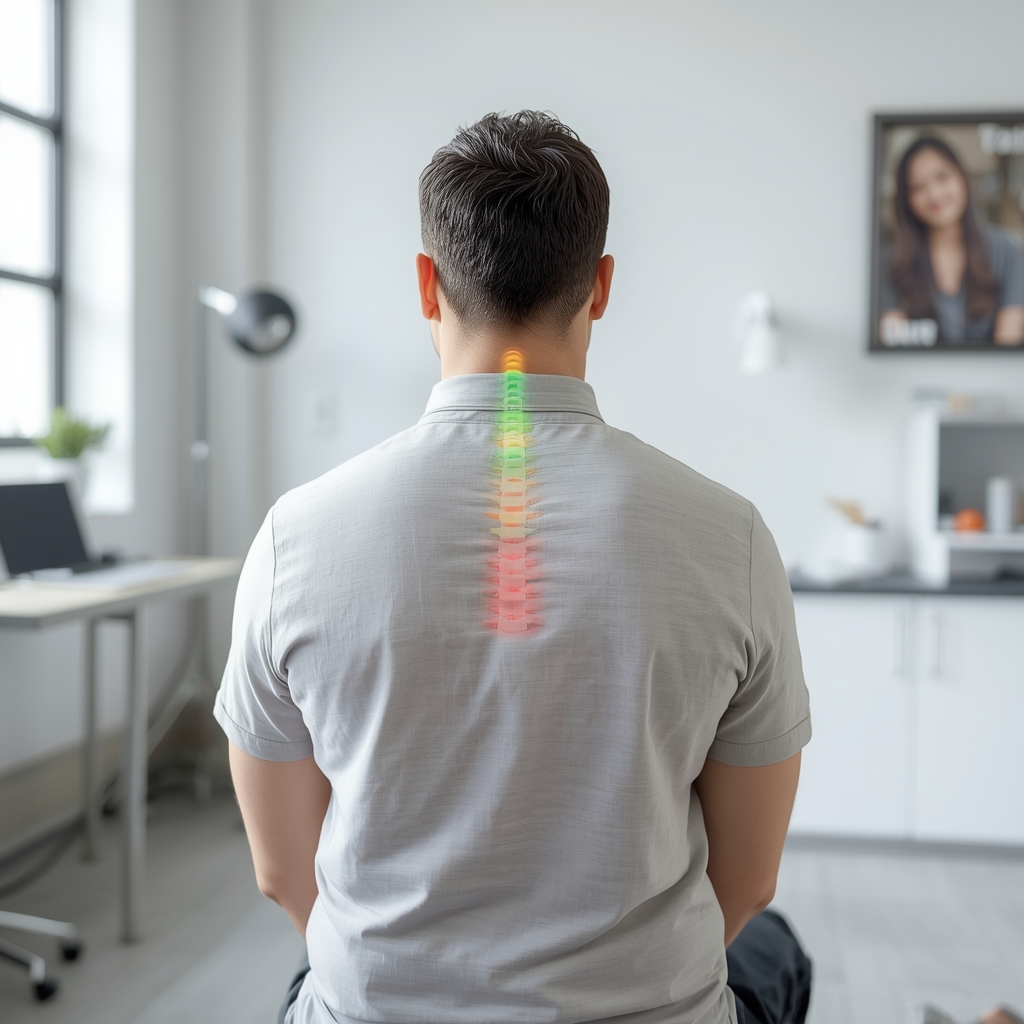
The Role of Cervical Spine Alignment in Concussion Recovery
Cervical spine alignment plays a critical role in overall bodily function, and its impact on concussion recovery is an area of growing interest. The cervical spine houses nerves that connect to the brainstem, which regulates vital functions like balance, coordination, and autonomic responses. Misalignments, or subluxations, may disrupt these neural pathways, potentially complicating recovery from concussive injuries. While research is ongoing, many chiropractors emphasize that restoring proper cervical alignment can support the body’s natural healing processes. This includes reducing pressure on nerves and improving blood flow, which may aid in mitigating symptoms like dizziness, headaches, and cognitive fog following a concussion.
How Cervical Issues May Influence Concussion Symptoms
Concussions often involve trauma to the head and neck, which can lead to temporary or persistent cervical spine dysfunction. For example, whiplash-associated injuries may cause muscle tension, joint restrictions, or altered posture in the neck, exacerbating concussion symptoms. Poor cervical alignment might also affect the vestibular system, contributing to balance issues or vertigo. Chiropractors frequently observe that addressing these mechanical imbalances can lead to improved symptom management. However, it’s important to note that cervical adjustments should be part of a comprehensive care plan, not a standalone solution. Patients are encouraged to work with qualified professionals to determine if spinal interventions are appropriate for their specific condition.
Common Adjustments for Cervical Spine Support
Chiropractors use various techniques to address cervical spine misalignments, including manual adjustments, instrument-assisted methods, and soft tissue therapies. Manual adjustments involve precise, controlled movements to realign the vertebrae, while instrument-assisted techniques use tools to apply gentle force. These approaches aim to reduce nerve interference and restore proper biomechanics. Some practitioners also incorporate therapies like Active Release Technique (ART) to address muscle tightness or adhesions in the neck. The effectiveness of these adjustments can vary based on the individual’s condition, injury history, and overall health. Patients should discuss their options with a chiropractor to determine the most suitable approach for their recovery journey.
Neurological Implications of Cervical Realignment
The cervical spine’s relationship with the nervous system makes its alignment particularly relevant to concussion recovery. The brainstem, which exits the skull through the foramen magnum, is directly influenced by the position of the atlas (C1) and axis (C2) vertebrae. Proper alignment here can enhance neural communication, potentially supporting cognitive and sensory functions impaired by concussions. Conversely, misalignments may contribute to ongoing neurological symptoms such as memory lapses or difficulty concentrating. While some studies suggest a link between spinal adjustments and improved neurological outcomes, more research is needed to establish definitive protocols. Chiropractors often monitor patients’ progress closely, adjusting treatment plans as needed to optimize recovery.
Personalized Care for Optimal Recovery Outcomes
Each concussion and cervical spine issue is unique, requiring a tailored approach to care. Factors such as the severity of the injury, pre-existing conditions, and the patient’s lifestyle all influence recovery timelines and treatment effectiveness. A chiropractor may combine spinal adjustments with other therapies, such as vestibular rehabilitation or postural retraining, to address multifaceted challenges. Patients should communicate openly with their healthcare providers about symptoms, concerns, and goals to ensure a cohesive care strategy. While chiropractic interventions may complement traditional medical treatments, they should never replace professional medical evaluation or prescribed care. Collaboration between chiropractors and other healthcare providers is essential for comprehensive, patient-centered recovery.
Conclusion: Integrating Cervical Health into Concussion Care
Cervical spine alignment is an emerging focus in concussion recovery, with potential benefits for reducing symptoms and supporting neurological function. While the exact mechanisms and long-term outcomes require further study, many patients report improvements after addressing cervical imbalances. Chiropractic care offers non-invasive options to explore, but it’s crucial to approach these interventions with a holistic perspective. Consulting with a qualified chiropractor and other healthcare professionals ensures that any treatment aligns with individual needs and medical guidelines. As research continues, the role of cervical health in concussion recovery may become even more defined, offering new avenues for supportive care.














