
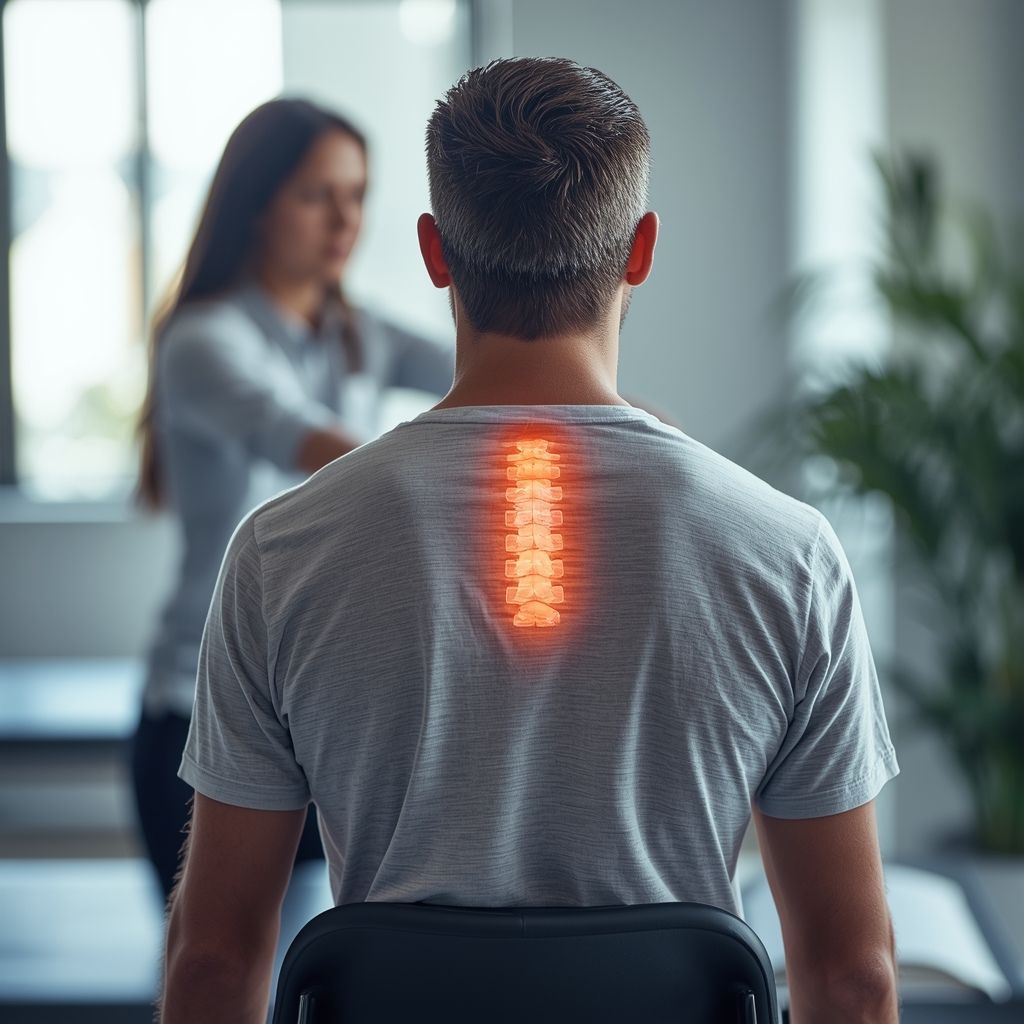
Understanding Post-Concussion Balance Challenges
Post-concussion syndrome often disrupts vestibular function, leading to dizziness, vertigo, and impaired coordination. The cervical spine, which houses nerves connecting to the brainstem, may also be affected by trauma, contributing to these symptoms. While traditional treatments focus on neurological recovery, emerging research highlights the role of spinal alignment in restoring balance. Chiropractic care addresses both structural and functional aspects of the cervical spine, offering a complementary approach to conventional therapies. By focusing on the neck’s biomechanics, chiropractors aim to reduce pressure on nerves and improve communication between the brain and body, potentially enhancing stability and movement control.
The Link Between Cervical Spine Misalignment and Balance
Cervical spine misalignments, or subluxations, can irritate nerves and alter proprioceptive feedback—the body’s ability to sense movement and position. This disruption may exacerbate post-concussion dizziness and coordination issues. Studies suggest that cervical spine dysfunction can mimic vestibular symptoms, making it critical to address during recovery. Chiropractic adjustments seek to correct these misalignments, potentially restoring normal nerve signaling and improving the brain’s integration of sensory information. Patients often report reduced vertigo and better spatial awareness after targeted cervical care, though individual results vary. This approach underscores the interconnectedness of the musculoskeletal and nervous systems in post-injury recovery.
How Chiropractic Adjustments Support Recovery
Spinal adjustments involve precise, controlled forces to realign the vertebrae, reducing mechanical stress on nerves and soft tissues. For post-concussion patients, this may alleviate tension in the upper cervical region, which is closely linked to balance mechanisms. By restoring proper motion and function, adjustments can enhance blood flow and reduce inflammation, supporting the body’s natural healing processes. Many chiropractors use gentle techniques tailored to sensitive post-concussion cases, prioritizing patient comfort. While not a standalone cure, these interventions may complement other therapies by addressing structural contributors to balance deficits. Patients are encouraged to work with licensed professionals to develop a personalized care plan.
Cervical Spine Rehabilitation Exercises
Rehabilitation programs often include specific exercises to strengthen cervical muscles and improve range of motion. These may involve isometric contractions, neck stretches, and balance drills designed to retrain the vestibular system. Chiropractors may guide patients through these movements to ensure proper form and avoid exacerbating symptoms. Strengthening the neck’s stabilizing muscles can reduce reliance on compensatory patterns that worsen coordination. Additionally, controlled head movements help reestablish neural pathways between the brain and body. Consistency is key, as gradual progression builds resilience and supports long-term recovery. Such exercises, when combined with adjustments, create a holistic approach to restoring balance and functional mobility.
Integrating Chiropractic Care With Other Therapies
Post-concussion recovery often benefits from a multidisciplinary approach. Chiropractic care may be combined with vestibular therapy, physical therapy, and cognitive rehabilitation to address all facets of the condition. For example, vestibular exercises can retrain the brain to process balance signals, while chiropractic adjustments support the structural foundation for these adaptations. Collaboration between healthcare providers ensures a cohesive treatment strategy, minimizing the risk of conflicting interventions. Patients should communicate openly with their care team to tailor therapies to their unique needs. This integrative model emphasizes the value of addressing both mechanical and neurological components of recovery for optimal outcomes.
Consulting a Qualified Professional
While chiropractic care shows promise for post-concussion balance issues, it is not a substitute for medical evaluation. Patients should consult a licensed chiropractor with experience in concussion management to discuss their specific situation. A thorough assessment will determine the appropriateness of adjustments and rehabilitation exercises. Individualized care plans consider factors like injury severity, symptom duration, and overall health. Open dialogue with healthcare providers ensures safe, effective treatment. By combining evidence-based practices with professional guidance, patients can explore chiropractic options as part of a broader recovery strategy, prioritizing their well-being and long-term mobility.













