
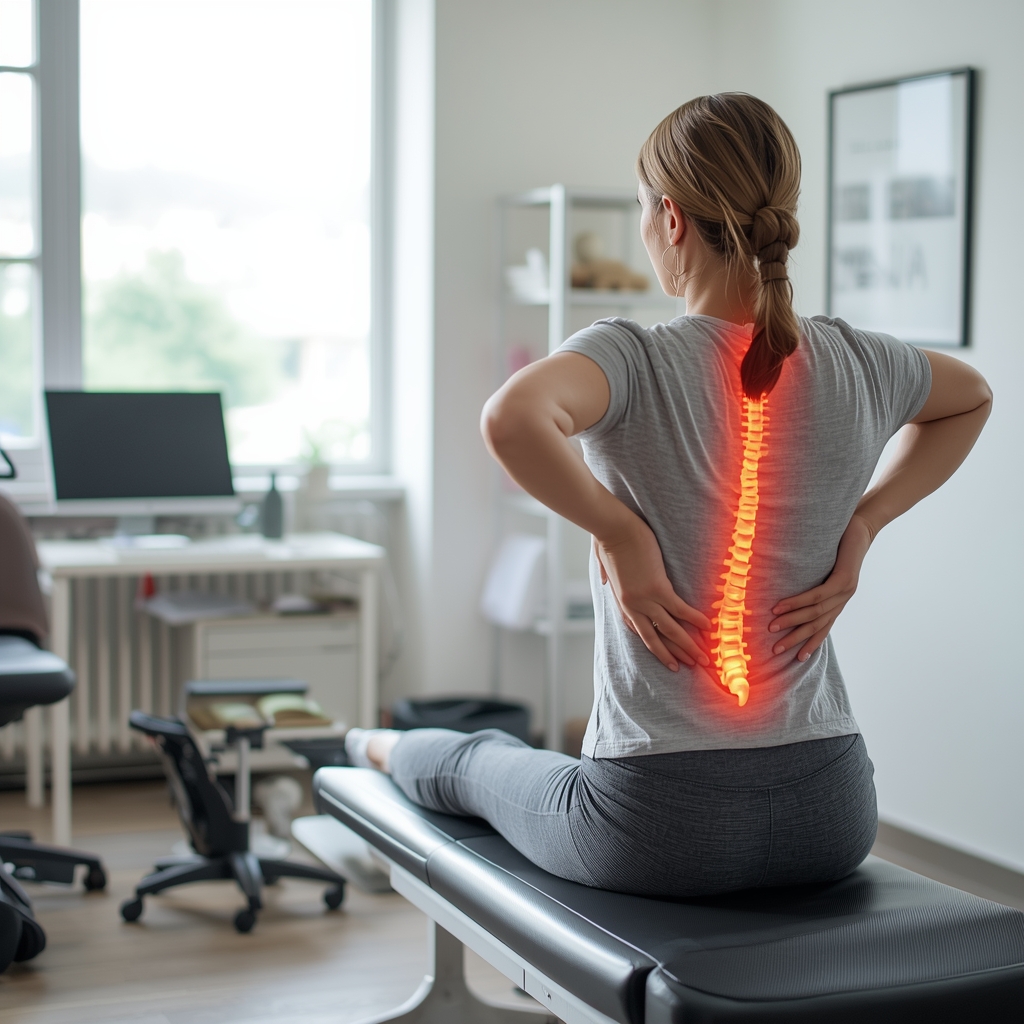
Understanding Lumbar Spinal Stenosis and Non-Invasive Options
Lumbar spinal stenosis occurs when the spinal canal narrows, compressing nerves and causing pain, numbness, or weakness in the lower back and legs. While severe cases may require surgery, many patients seek non-invasive solutions to manage symptoms. Spinal decompression techniques and physical therapy are commonly explored approaches. These methods aim to reduce pressure on nerves, improve mobility, and enhance quality of life without surgical intervention. Understanding how these treatments work and their relative benefits can help individuals make informed decisions about their care. Always consult a qualified healthcare provider to determine the most appropriate strategy for your condition.
Spinal Decompression Techniques for Lumbar Stenosis
Spinal decompression therapy involves gently stretching the spine to relieve pressure on compressed nerves. Mechanical decompression devices, such as traction tables, and manual techniques performed by chiropractors or physical therapists are common methods. These approaches may help widen the spinal canal, reduce inflammation, and promote natural healing. Some patients report decreased pain and improved mobility after sessions. However, effectiveness can vary based on the severity of stenosis and individual response. It’s important to note that decompression therapy is typically part of a broader treatment plan and may be combined with other interventions for optimal results.
Physical Therapy: A Complementary Approach
Physical therapy focuses on strengthening core muscles, improving flexibility, and correcting posture to alleviate pressure on the spine. Therapists may design personalized exercise programs to enhance stability and reduce symptoms of lumbar stenosis. Techniques like heat therapy, ultrasound, and targeted stretches can also support recovery. While physical therapy may not directly address nerve compression, it can improve overall function and prevent further deterioration. Many patients find it beneficial as a standalone or adjunct treatment. However, its effectiveness often depends on consistent participation and adherence to prescribed routines. A healthcare provider can help determine if physical therapy aligns with your specific needs.
Comparing Decompression Therapy and Physical Therapy
Both decompression therapy and physical therapy aim to ease symptoms of lumbar stenosis but through different mechanisms. Decompression directly targets nerve pressure, while physical therapy focuses on strengthening and mobility. Studies suggest that decompression may offer quicker relief for certain patients, whereas physical therapy builds long-term resilience. Some research indicates that combining both approaches can yield better outcomes than either alone. However, individual results vary, and factors like symptom severity, overall health, and treatment adherence play a role. It’s crucial to discuss these options with a healthcare professional to tailor a plan that suits your condition and goals.
Effectiveness and Evidence-Based Insights
While anecdotal reports highlight benefits of decompression therapy and physical therapy, rigorous scientific evidence remains limited. Some studies suggest that decompression may provide short-term symptom relief, but long-term efficacy requires further investigation. Physical therapy is more extensively researched, with evidence supporting its role in improving function and reducing disability. Both approaches are generally considered safe when performed by trained professionals. Patients should approach these treatments with realistic expectations and be open to adjusting strategies based on progress. Ongoing communication with a healthcare provider is essential to navigate the best path forward.
Consulting a Healthcare Provider for Personalized Care
Deciding between spinal decompression and physical therapy depends on individual circumstances, including the severity of symptoms, medical history, and personal preferences. A chiropractor or physical therapist can assess your condition and recommend suitable options. They may also suggest combining treatments or exploring other therapies, such as medication or injections, if needed. It’s important to prioritize safety and avoid unproven methods that could worsen symptoms. By working closely with a qualified provider, patients can develop a comprehensive plan to manage lumbar spinal stenosis effectively and improve their overall well-being.














