
Understanding Iliotibial Band Syndrome and Its Impact
Iliotibial Band Syndrome (ITBS) is a common overuse injury affecting the lateral side of the knee, often seen in runners and athletes. It occurs when the iliotibial band, a thick band of fascia, becomes inflamed due to repetitive friction against the femur. Symptoms include pain, swelling, and discomfort during movement. While physical therapy focuses on strengthening and stretching, chiropractic care addresses underlying biomechanical issues. Together, they offer a holistic approach to reduce inflammation, improve mobility, and prevent recurrence. Patients often seek integrated care to manage pain effectively without relying solely on medication or invasive procedures.
Chiropractic Care’s Role in ITBS Management
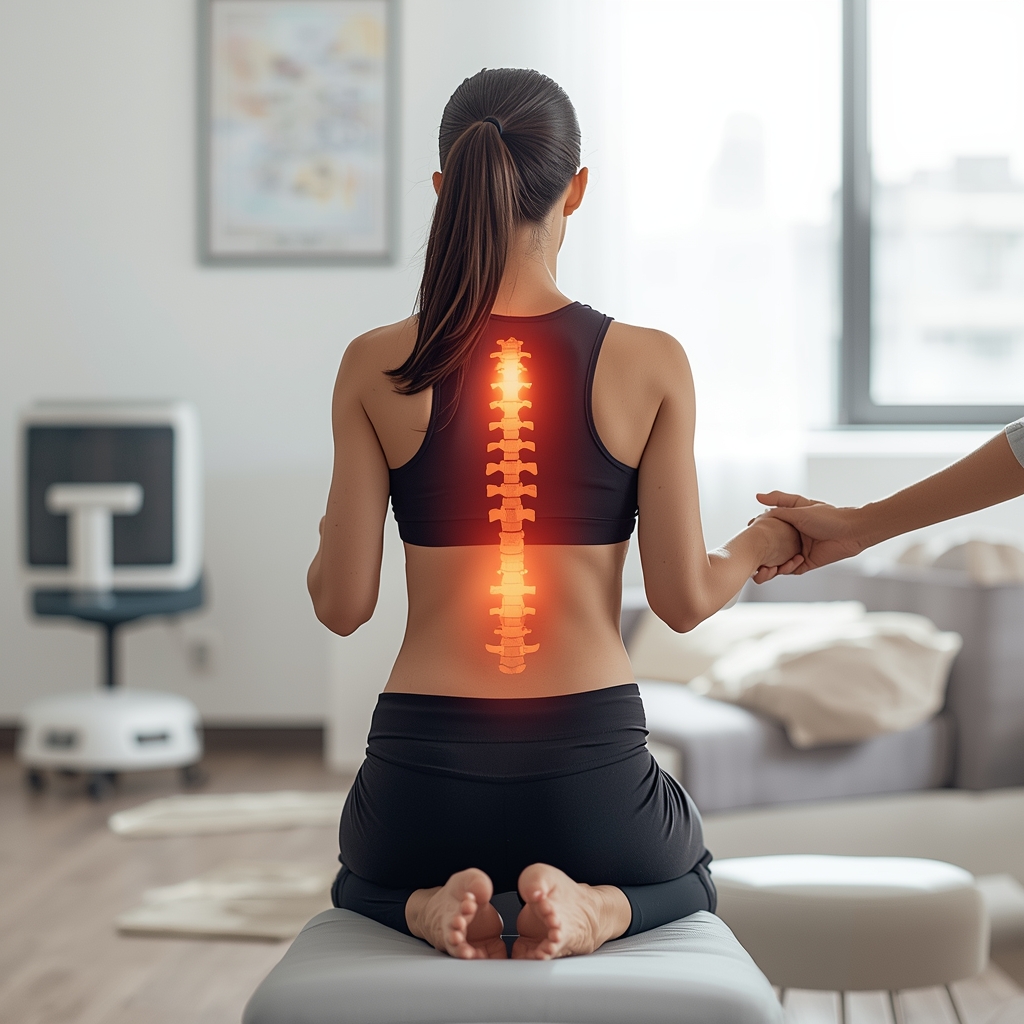
Chiropractic care for ITBS emphasizes restoring proper alignment of the spine, pelvis, and lower extremities. Misalignments can contribute to uneven stress on the iliotibial band, exacerbating symptoms. Through spinal adjustments and soft tissue techniques, chiropractors aim to alleviate nerve irritation and improve joint function. Additionally, they may use tools like massage or instrument-assisted soft tissue mobilization to reduce tightness in the IT band. By addressing these structural imbalances, chiropractic care supports the body’s natural healing processes, complementing the targeted exercises and stretches prescribed by physical therapists.
Physical Therapy Approaches for ITBS
Physical therapy for ITBS typically involves a combination of stretching, strengthening, and movement retraining. Stretching exercises target the iliotibial band, hip flexors, and glutes to reduce tension. Strengthening routines focus on the hip abductors and core muscles to improve stability and reduce strain on the knee. Therapists also address gait abnormalities and posture, which can contribute to ITBS. These interventions help restore normal function and prevent future injuries. When combined with chiropractic care, physical therapy benefits from a more balanced musculoskeletal framework, enhancing overall recovery outcomes.
How Chiropractic and Physical Therapy Complement Each Other
The synergy between chiropractic care and physical therapy lies in their combined focus on structure and function. Chiropractors address spinal and joint misalignments that may contribute to ITBS, while physical therapists target muscle imbalances and movement patterns. For example, a chiropractic adjustment might relieve nerve pressure, allowing physical therapy exercises to be more effective. Conversely, physical therapy can enhance the longevity of chiropractic adjustments by improving muscle support. This collaborative approach ensures comprehensive care, addressing both the root causes and symptoms of ITBS. Patients often experience faster relief and better long-term results when these disciplines work in tandem.
Beneficial Exercises for ITBS Recovery
Exercises that improve flexibility and strength in the hips and thighs are crucial for ITBS recovery. Foam rolling the iliotibial band and surrounding muscles can reduce tightness and inflammation. Clamshells and side-lying leg lifts strengthen the hip abductors, which stabilize the knee. Stretching routines, such as the standing IT band stretch or the figure-four stretch, help maintain mobility. However, these exercises should be tailored to individual needs, as improper form can worsen symptoms. A chiropractor or physical therapist can guide patients in selecting and performing these exercises safely, ensuring they align with their overall treatment plan.
Consulting Professionals for Personalized Care
While chiropractic care and physical therapy offer valuable support for ITBS, individualized guidance is essential. Each patient’s condition, lifestyle, and goals vary, requiring a customized approach. A chiropractor can assess biomechanical issues, while a physical therapist designs targeted exercises. Combining these insights ensures a balanced strategy that addresses both structural and functional aspects of ITBS. Patients should consult qualified professionals to determine the most effective care plan. By working together, these disciplines empower individuals to manage ITBS effectively and reduce the risk of recurrence.













