
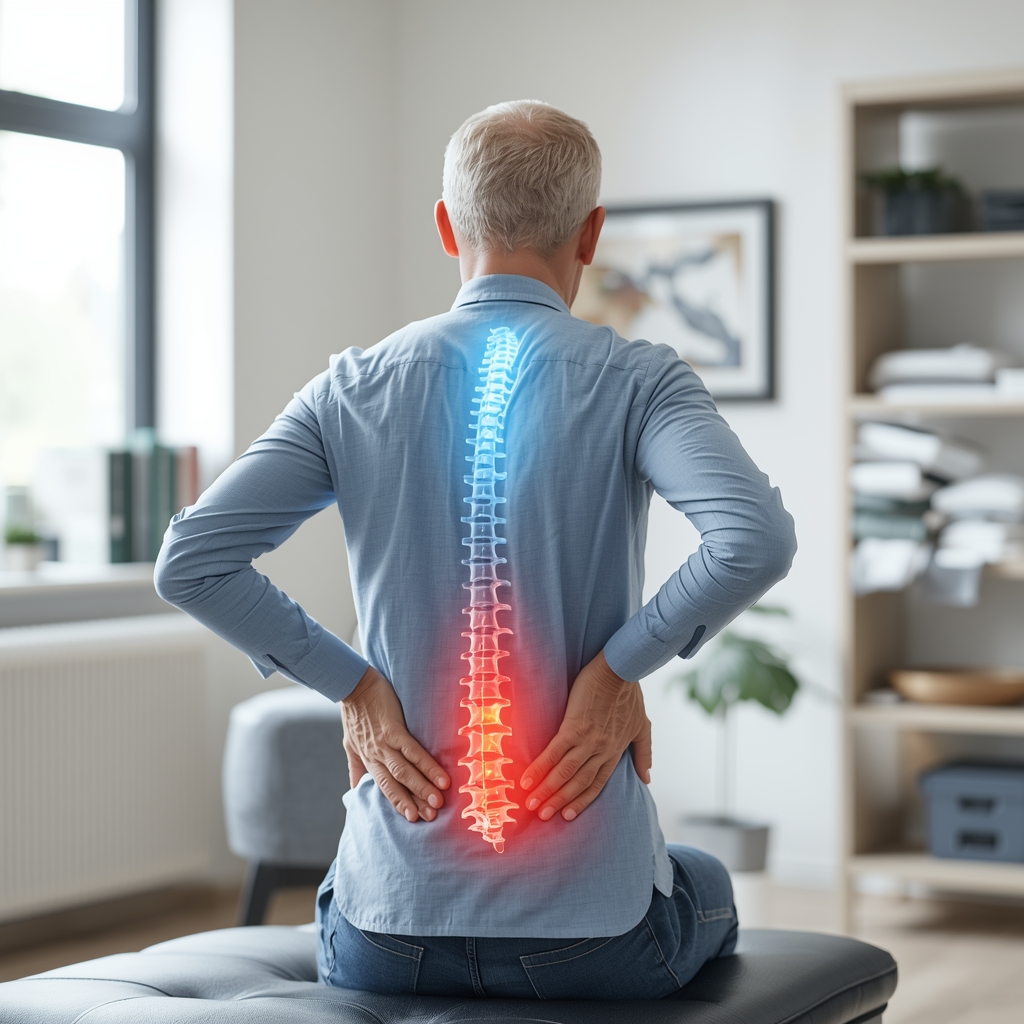
Understanding Spinal Stenosis and Mobility Challenges
Spinal stenosis occurs when the spinal canal narrows, compressing nerves and causing pain, numbness, or weakness. This condition is common in older adults and often affects the lower back or neck. Mobility issues arise due to discomfort during movement, limiting daily activities. While medical treatments like medication or surgery exist, many seek non-invasive options. Chiropractic care offers potential relief by addressing structural imbalances and nerve pressure. It’s important to note that techniques vary, and outcomes depend on individual factors. A qualified chiropractor can assess the severity of stenosis and recommend approaches tailored to the patient’s needs. This article explores common chiropractic methods and their role in improving mobility for older adults with spinal stenosis.
Spinal Adjustments for Nerve Relief and Alignment
Spinal adjustments, a cornerstone of chiropractic care, involve manual manipulations to realign vertebrae and reduce nerve compression. For spinal stenosis, this technique may alleviate pressure on affected nerves, potentially easing pain and improving mobility. Adjustments can enhance joint function and restore natural movement patterns. However, older adults require careful evaluation to ensure safety, as bone density and flexibility change with age. Chiropractors use gentle, targeted adjustments to minimize risks. While not a cure, this approach may help manage symptoms and support better posture. Patients should communicate any discomfort during sessions, allowing for modifications. Spinal adjustments are often part of a broader treatment plan, combined with other therapies to maximize benefits for mobility and comfort.
Decompression Therapy for Spinal Relief
Spinal decompression therapy uses mechanical traction to gently stretch the spine, creating space between vertebrae. This technique can reduce pressure on nerves and discs, offering relief for spinal stenosis symptoms. By decompressing the spine, it may ease pain and improve range of motion. This non-surgical option is often recommended for older adults seeking alternatives to medication or surgery. Sessions are typically painless and involve a specialized table that adjusts to the patient’s needs. While results vary, many report reduced discomfort and increased mobility over time. It’s crucial to consult a chiropractor to determine if decompression therapy suits the individual’s condition. Combined with other treatments, it can contribute to a holistic approach for managing stenosis and enhancing daily function.
Soft Tissue Techniques for Muscle and Joint Support
Soft tissue therapies, such as massage or myofascial release, address muscle tension and joint stiffness that can worsen spinal stenosis symptoms. These techniques improve blood flow, reduce inflammation, and enhance flexibility, supporting overall mobility. By relaxing tight muscles around the spine, they may indirectly ease nerve pressure and discomfort. Chiropractors often integrate these methods with spinal adjustments for comprehensive care. Older adults may benefit from gentle approaches that avoid excessive force, ensuring safety and comfort. Patients should discuss their medical history to tailor the intensity of soft tissue work. While not a standalone solution, these therapies can complement other chiropractic strategies, helping older adults maintain better movement and quality of life.
Combining Techniques for Holistic Mobility Improvement
Chiropractic care for spinal stenosis often involves a multi-modal approach, combining adjustments, decompression, and soft tissue work. This integrated strategy addresses both structural and muscular factors contributing to mobility issues. For example, decompression may relieve nerve pressure, while adjustments restore alignment, and soft tissue techniques ease surrounding tension. Personalized treatment plans consider the patient’s age, condition severity, and overall health. Regular sessions can lead to gradual improvements in pain levels and movement. Older adults should work closely with their chiropractor to monitor progress and adjust techniques as needed. Consistency and communication are key to achieving optimal results. This collaborative approach empowers patients to take an active role in managing their mobility and well-being.
Consulting a Chiropractor for Safe, Individualized Care
Each case of spinal stenosis is unique, requiring a tailored approach to care. Older adults should consult a licensed chiropractor with experience in geriatric patients to explore suitable techniques. The chiropractor will conduct a thorough evaluation, considering medical history and current symptoms, before recommending treatments. It’s essential to discuss any existing health conditions or medications to ensure safety. While chiropractic methods may offer relief, they should not replace conventional medical advice. Patients should maintain open communication with both their chiropractor and primary care provider to coordinate care effectively. By working together, healthcare professionals can help older adults achieve better mobility and a higher quality of life, addressing spinal stenosis through safe, evidence-based practices.













