
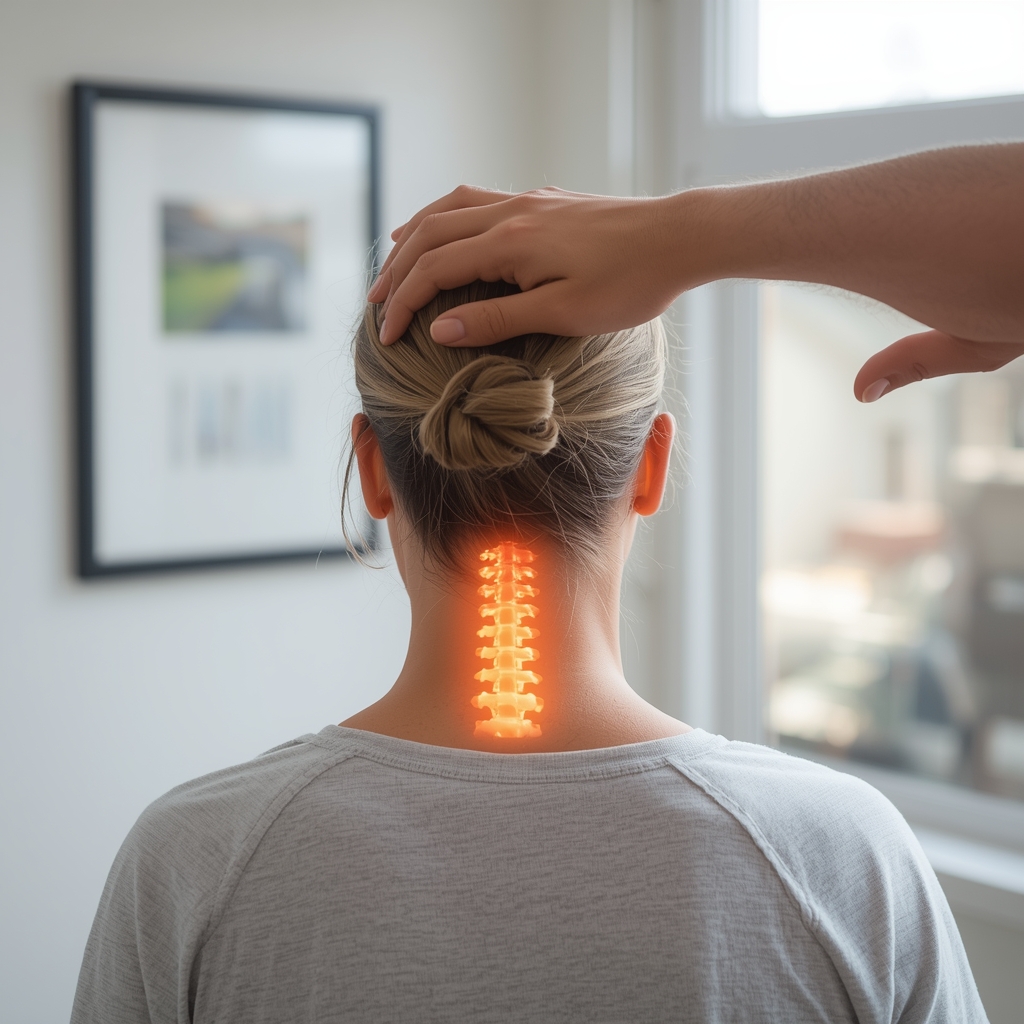
Understanding the Cervical Spine's Role in Vertigo
The cervical spine, or neck, is closely linked to the body's balance system. Vertigo caused by inner ear imbalances often involves the vestibular system, which relies on signals from the inner ear, eyes, and proprioceptors in the neck. Misalignments or tension in the cervical spine may disrupt these signals, contributing to dizziness. Chiropractic adjustments aim to restore proper alignment, potentially improving communication between the nervous system and the vestibular system. This connection highlights how spinal health can influence balance and overall neurological function. While research is ongoing, many patients report reduced vertigo symptoms after cervical care, suggesting a possible link between spinal mechanics and inner ear stability.
How Cervical Adjustments May Influence Inner Ear Function
Cervical spine adjustments focus on correcting subluxations—misalignments that may interfere with nerve function. The vestibulocervical reflex, which coordinates head movement with balance, involves nerves in the upper cervical region. By improving spinal alignment, adjustments might enhance this reflex, reducing vertigo episodes. Some theories suggest that adjustments could also alleviate pressure on blood vessels or nerves in the neck, indirectly supporting inner ear function. While the exact mechanisms remain under study, the interplay between the cervical spine and balance systems underscores the potential for chiropractic care to address vertigo. Patients often seek these adjustments as a non-invasive option to complement other strategies for managing dizziness.
Neurological Pathways and Vestibular System Connections
The vestibular system communicates with the brain through complex neural pathways, many of which pass through the cervical spine. Misalignments here could alter sensory input, leading to vertigo. Chiropractic adjustments aim to normalize these pathways by restoring proper spinal motion and nerve flow. This approach aligns with the chiropractic principle that spinal health directly impacts neurological function. Research on conditions like cervicogenic dizziness supports the idea that cervical issues can mimic or exacerbate inner ear-related vertigo. By addressing these spinal factors, chiropractors may help reduce symptoms, though individual results vary. This connection emphasizes the importance of a holistic view of balance disorders.
Research and Evidence Supporting Chiropractic Interventions
While specific studies on cervical adjustments for inner ear vertigo are limited, broader research on cervical spine care and dizziness provides insights. Some studies suggest that spinal manipulative therapy may improve symptoms in patients with cervicogenic dizziness, a condition linked to neck issues. The Journal of Manipulative and Physiological Therapeutics has published findings on the role of the cervical spine in balance disorders, though more targeted research is needed. Patients often report subjective improvements, but these outcomes should be interpreted alongside professional medical evaluations. Chiropractors emphasize that adjustments are part of a comprehensive approach, not a standalone solution, and encourage collaboration with other healthcare providers for optimal results.
Patient Experiences and Outcomes
Many individuals with vertigo report relief after cervical spine adjustments, though experiences vary. Some describe reduced dizziness following sessions targeting the upper neck, while others note improved stability during movement. These anecdotal accounts highlight the potential benefits of chiropractic care but should not replace professional medical advice. A chiropractor can assess whether spinal misalignments contribute to a patient's symptoms and recommend tailored strategies. It's important to approach these treatments as part of a broader care plan, especially for chronic or severe cases. Open communication with healthcare providers ensures that all options are considered for safe and effective management of vertigo.
Conclusion and Recommendations
Cervical spine adjustments may offer a complementary approach for individuals experiencing vertigo linked to inner ear imbalances. By addressing spinal alignment and nerve function, chiropractic care could support the body's natural ability to regulate balance. However, it is essential to consult a qualified chiropractor and other healthcare professionals to explore all potential causes of dizziness. While research continues to evolve, many patients find value in integrating spinal care with conventional treatments. Ultimately, a personalized, multidisciplinary approach ensures the best outcomes for managing vertigo and improving overall well-being.













