
Understanding Carpal Tunnel Syndrome and Non-Surgical Approaches
Carpal tunnel syndrome (CTS) occurs when the median nerve, which runs from the forearm to the hand, becomes compressed at the wrist. This can lead to numbness, tingling, and weakness in the fingers and hand. While chiropractic adjustments are a common treatment, non-surgical nerve mobilization techniques like nerve gliding exercises and soft tissue mobilization can also play a critical role. These methods aim to reduce nerve compression, improve mobility, and alleviate symptoms without invasive procedures. By addressing both the nerve and surrounding tissues, patients often experience relief and improved function. However, it’s important to approach these techniques with guidance from a qualified chiropractor to ensure safety and effectiveness. Combining these strategies with chiropractic care can create a holistic plan tailored to individual needs.
Nerve Gliding Exercises for Median Nerve Relief
Nerve gliding exercises, also called nerve flossing, involve specific movements designed to mobilize the median nerve and reduce its sensitivity to compression. These exercises help restore the nerve’s natural gliding motion within its surrounding tissues, which can alleviate pain and tingling. Common techniques include extending the fingers, wrist, and arm while keeping the neck neutral, or gently pulling the fingers back while tilting the head to the opposite side. These movements are typically performed slowly and repeated several times daily. While many find these exercises beneficial, they should be done under professional supervision to avoid overstretching. When combined with chiropractic adjustments, nerve gliding can enhance nerve function and support long-term symptom management.
Soft Tissue Mobilization Techniques
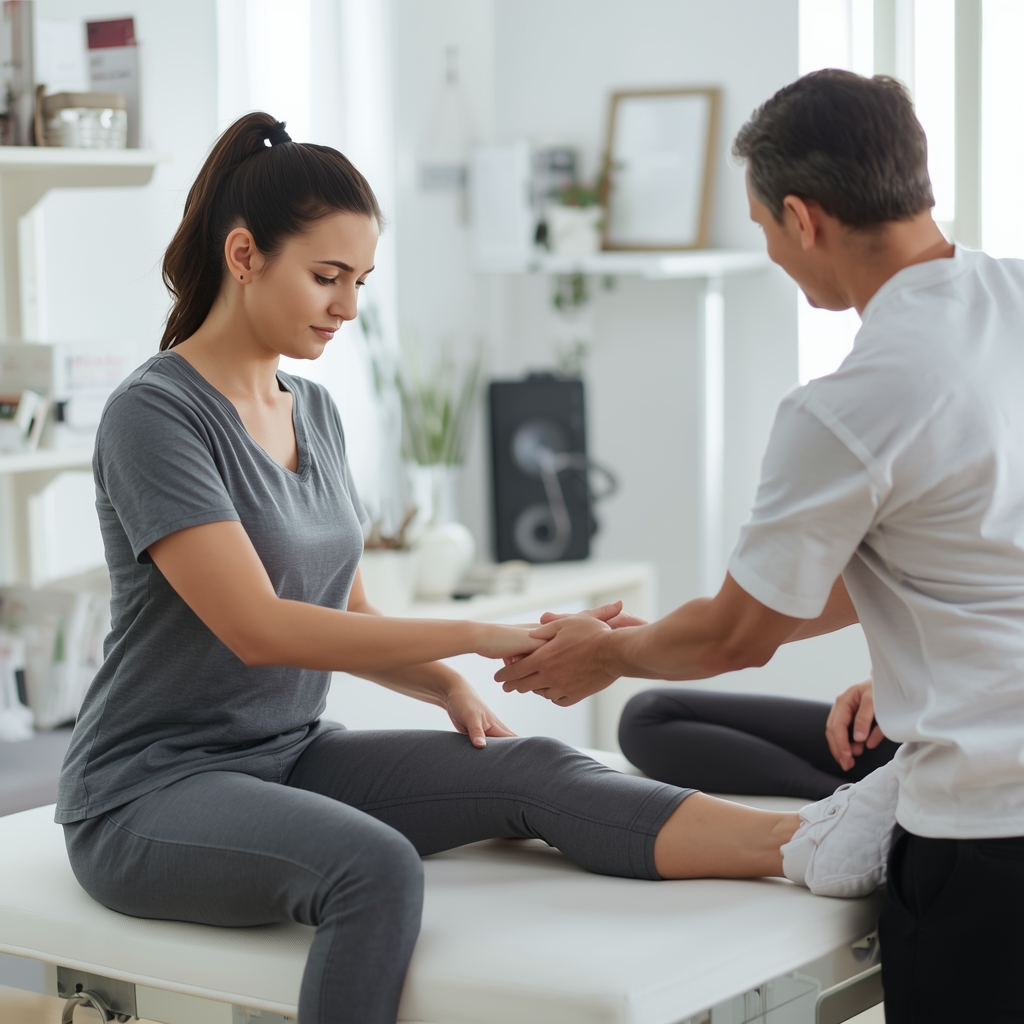
Soft tissue mobilization targets the muscles, tendons, and connective tissues around the wrist and forearm, which can contribute to carpal tunnel syndrome. Techniques like myofascial release, trigger point therapy, and massage help reduce muscle tension, improve blood flow, and decrease pressure on the median nerve. For example, applying sustained pressure to the flexor retinaculum or forearm muscles can relieve tightness that exacerbates CTS symptoms. These methods are often used alongside nerve gliding exercises to address both nerve and muscle-related factors. Chiropractors may also incorporate instrument-assisted soft tissue mobilization (IASTM) for deeper tissue work. When integrated with adjustments, soft tissue techniques can enhance overall recovery by promoting a more balanced musculoskeletal environment.
How Chiropractic Adjustments Complement Nerve Mobilization
Chiropractic adjustments focus on correcting spinal and joint misalignments that may contribute to nerve compression or altered biomechanics. In the context of CTS, adjustments to the cervical spine, shoulder, or wrist can improve nerve signaling and reduce irritation. By restoring proper alignment, these adjustments may enhance the effectiveness of nerve gliding exercises and soft tissue mobilization. For instance, a misaligned vertebra in the neck could indirectly affect the median nerve’s function, so correcting it may alleviate symptoms. Chiropractors often use a holistic approach, addressing the entire kinetic chain rather than just the wrist. This comprehensive strategy ensures that all contributing factors are considered, leading to more sustainable relief for patients.
Combining Techniques for Optimal Symptom Management
Integrating nerve gliding exercises, soft tissue mobilization, and chiropractic adjustments creates a multifaceted approach to managing carpal tunnel syndrome. Each method addresses different aspects of the condition: nerve mobility, muscle tension, and structural alignment. For example, a patient might perform daily nerve glides to reduce nerve sensitivity, receive soft tissue therapy to ease forearm tightness, and attend regular chiropractic sessions to correct spinal misalignments. This synergy can lead to faster symptom relief and a lower risk of recurrence. However, the specific combination of techniques should be personalized by a chiropractor based on the patient’s unique needs. Consistency and professional guidance are key to achieving the best outcomes.
Safety Considerations and Professional Guidance
While nerve gliding exercises and soft tissue mobilization are generally safe, improper technique can worsen symptoms or cause injury. It’s crucial to consult a licensed chiropractor before starting any new regimen, as they can assess your condition and recommend suitable exercises. A chiropractor can also monitor progress and adjust the treatment plan as needed. For instance, someone with severe CTS may require more frequent adjustments or modified exercises to avoid overexertion. These techniques are most effective when used as part of a broader care strategy, not as standalone solutions. By working closely with a healthcare provider, patients can ensure their approach is both safe and tailored to their individual health goals.













