
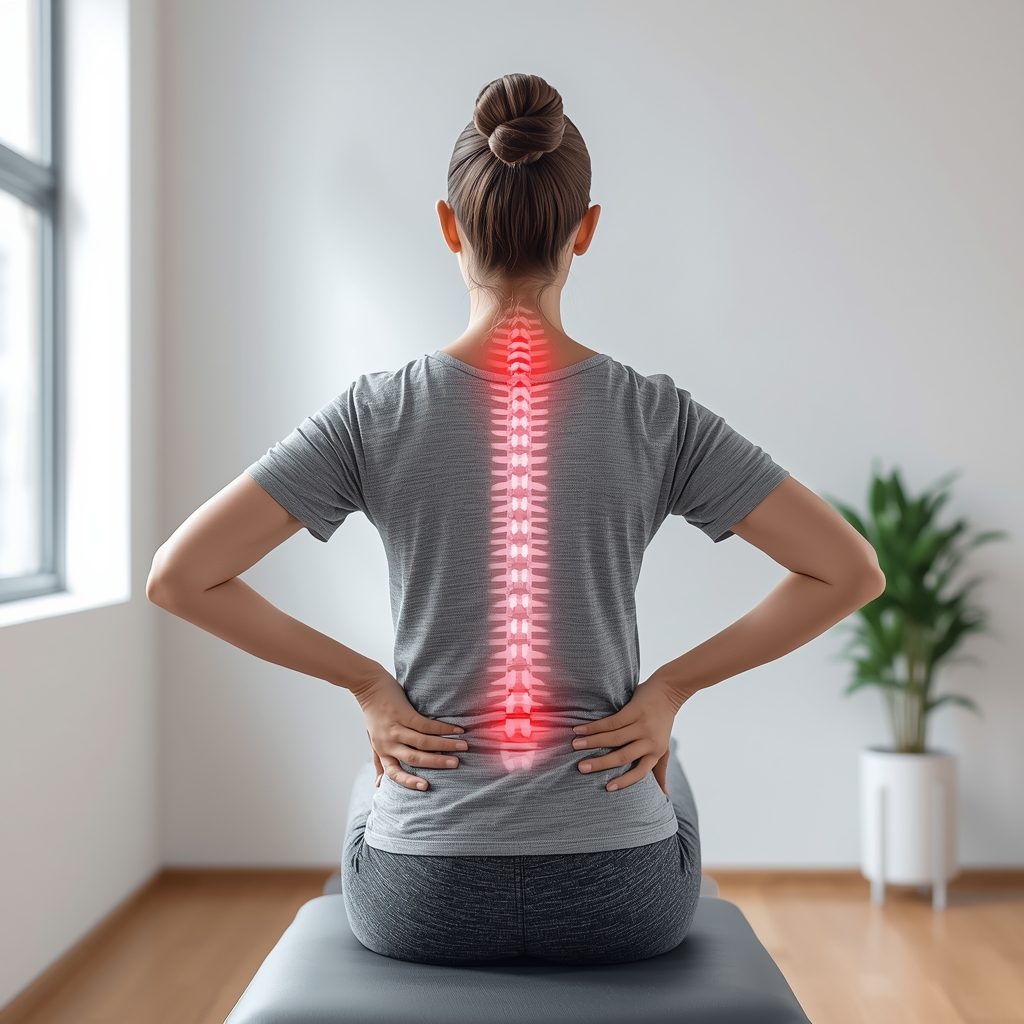
Understanding Scoliosis and Postural Imbalances
Scoliosis is a condition characterized by an abnormal lateral curvature of the spine, often accompanied by rotational shifts in the vertebrae. This structural deviation can lead to postural imbalances, where the body compensates by altering alignment in the neck, shoulders, and pelvis. These imbalances may cause discomfort, reduced mobility, and even long-term musculoskeletal strain. While scoliosis can have various causes—such as congenital factors, neuromuscular conditions, or idiopathic origins—it frequently impacts spinal function and overall posture. Chiropractic care focuses on addressing these imbalances through non-invasive, holistic strategies to support the body’s natural ability to realign and function optimally. By targeting the root causes of postural distortion, chiropractors aim to improve spinal stability and reduce associated symptoms.
Chiropractic Assessment and Diagnosis
Before developing a treatment plan, chiropractors conduct a thorough assessment to evaluate the extent of spinal curvature and postural deviations in scoliosis patients. This typically involves a physical examination, review of medical history, and imaging studies such as X-rays to visualize the spine’s structure. The goal is to identify specific areas of misalignment, muscle tension, or nerve interference contributing to the imbalance. Chiropractors also consider how the body compensates for the curvature, such as tilting the pelvis or shifting weight to one side. This detailed analysis allows for a personalized approach, ensuring interventions address both the structural and functional aspects of the condition. By understanding the unique challenges of each patient, chiropractors can design strategies to promote better posture and spinal health over time.
Spinal Adjustments and Manual Techniques
Spinal adjustments are a cornerstone of chiropractic care for scoliosis, aiming to reduce pressure on nerves and improve joint mobility. Chiropractors use precise, controlled forces to realign the vertebrae, which may help alleviate pain and restore balance. Techniques such as the Gonstead method or diversified adjustments are commonly employed to address specific areas of restriction. In addition to spinal manipulations, soft tissue therapies like myofascial release or Active Release Technique (ART) may be used to relieve muscle tightness and enhance flexibility. These manual interventions work together to reduce compensatory patterns that exacerbate postural imbalances. While adjustments alone may not correct the curvature, they can support the body’s natural alignment and improve overall function. Patients often experience improved comfort and greater range of motion as a result of these targeted treatments.
Corrective Exercises and Postural Training
Chiropractors often incorporate corrective exercises into treatment plans to strengthen weakened muscles and improve posture in scoliosis patients. These exercises are tailored to the individual’s condition and may include stretches, resistance training, and balance drills. For example, core-strengthening routines can stabilize the spine, while postural retraining helps the body maintain proper alignment. Specific techniques like the Schroth method—focused on scoliosis-specific exercises—may be recommended to address curvature and muscle imbalances. By reinforcing proper movement patterns, these exercises support the spine’s natural curvature and reduce strain on surrounding tissues. Chiropractors also educate patients on ergonomics and daily habits that promote better posture, such as sitting and standing techniques. Over time, consistent practice of these exercises can enhance spinal stability and contribute to long-term postural improvements.
The Role of Posture in Scoliosis Management
Posture plays a critical role in managing scoliosis, as poor alignment can worsen existing imbalances and contribute to pain. Chiropractors emphasize the importance of maintaining a neutral spine during daily activities, whether sitting, standing, or moving. They may recommend ergonomic adjustments, such as supportive chairs or lumbar cushions, to encourage proper posture. Additionally, patients are often guided on how to perform tasks—like lifting or bending—with minimal strain on the spine. Chiropractors also address forward head posture, a common issue in scoliosis that can increase neck and shoulder tension. By integrating postural awareness into everyday life, patients can reduce compensatory movements that exacerbate their condition. This holistic approach not only supports spinal health but also enhances overall body mechanics, leading to greater comfort and functionality.
Collaborative Care and Long-Term Outcomes
Chiropractic care for scoliosis often involves a collaborative approach, working alongside other healthcare professionals to ensure comprehensive support. This may include referrals to physical therapists, orthopedic specialists, or orthotists for additional interventions like bracing. Regular chiropractic sessions help monitor progress and adjust treatment plans as needed, ensuring sustained improvements in posture and spinal alignment. Patients are encouraged to maintain open communication with their chiropractor to address any changes in symptoms or lifestyle factors. While scoliosis is a chronic condition, many individuals find that consistent chiropractic care helps manage symptoms and maintain functional mobility. By combining manual therapies, corrective exercises, and postural education, chiropractors empower patients to take an active role in their spinal health. This integrated strategy fosters long-term wellness and reduces the risk of further complications.













