
Understanding the Role of Clinical Rotations in Chiropractic Education
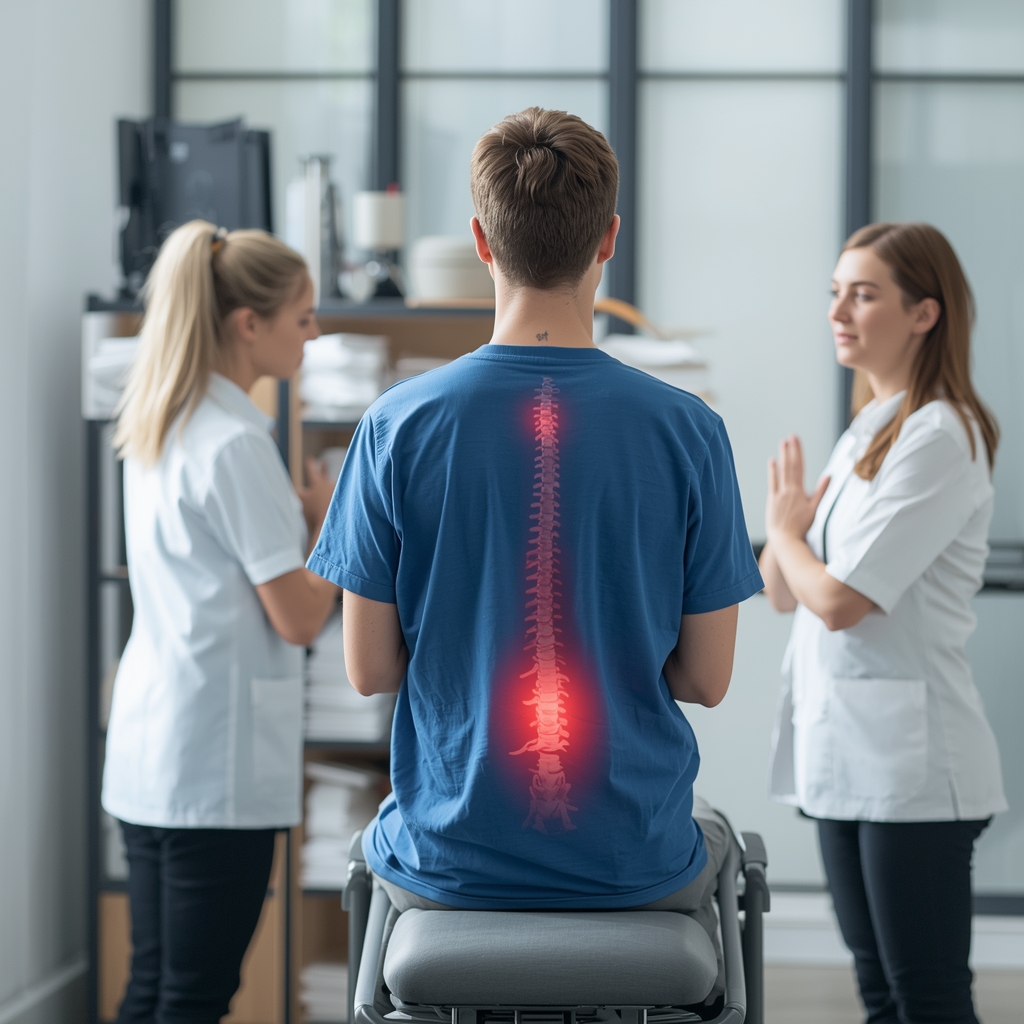
Clinical rotations form a cornerstone of chiropractic training, bridging theoretical knowledge with practical application. These structured experiences allow students to observe and participate in real patient care under the supervision of licensed professionals. By immersing themselves in clinical settings, students gain insight into the complexities of patient interactions, diagnostic processes, and treatment planning. This phase of education emphasizes the importance of adapting classroom learning to the dynamic nature of healthcare environments. Students learn to navigate the challenges of diagnosing musculoskeletal conditions, developing care plans, and communicating effectively with patients. The hands-on exposure fosters confidence and competence, preparing them for the responsibilities of independent practice. Ultimately, clinical rotations serve as a critical step in transforming academic understanding into actionable skills, ensuring graduates are equipped to address the diverse needs of their future patients.
Hands-On Experience with Diverse Patient Cases
During clinical rotations, chiropractic students encounter a wide range of patient cases, from common musculoskeletal issues to more complex conditions. This exposure helps them develop a nuanced understanding of how different factors—such as age, lifestyle, and medical history—affect patient outcomes. Students learn to perform physical examinations, interpret diagnostic findings, and apply various chiropractic techniques. The diversity of cases challenges them to think critically and make informed decisions, mirroring the realities of professional practice. By working with patients of all backgrounds, students also refine their ability to tailor care plans to individual needs. This practical experience builds foundational skills in assessment, treatment, and follow-up, which are essential for effective patient management. The repetition of these scenarios strengthens their clinical judgment, ensuring they are prepared to handle the unpredictability of real-world healthcare settings.
Developing Communication and Patient Interaction Skills
Effective communication is vital in chiropractic care, and clinical rotations provide students with opportunities to hone this skill. They learn to explain diagnoses, treatment options, and preventive strategies in ways that patients can understand. Interacting with patients also teaches students how to build trust, address concerns, and manage expectations. These experiences help them recognize the importance of empathy and active listening in fostering positive patient relationships. Students practice delivering care in a manner that respects patient autonomy and cultural differences, which is crucial for ethical practice. Additionally, they gain experience in documenting patient histories and progress, a key component of comprehensive care. Through repeated interactions, students develop the interpersonal skills necessary to create a supportive and collaborative healthcare environment, enhancing both patient satisfaction and treatment outcomes.
Mastering Diagnostic and Treatment Planning Techniques
Clinical rotations emphasize the development of diagnostic and treatment planning skills, which are central to chiropractic practice. Students learn to integrate patient history, physical exams, and diagnostic tools to identify musculoskeletal conditions accurately. They practice formulating individualized care plans that address specific patient needs while adhering to evidence-based guidelines. This process involves selecting appropriate interventions, such as spinal adjustments, soft tissue therapies, or rehabilitative exercises. Students also gain experience in monitoring patient progress and adjusting treatment strategies as needed. The iterative nature of this work teaches them the importance of flexibility and continuous learning. By refining these techniques in a supervised setting, students build the expertise required to deliver effective, patient-centered care. This foundational training ensures they are prepared to make informed decisions in their future practice.
Navigating Ethical and Legal Challenges in Practice
Chiropractic students must also grapple with ethical and legal considerations during clinical rotations, which are integral to professional development. They learn about boundaries, confidentiality, and informed consent, ensuring they uphold the highest standards of patient care. Exposure to real-world scenarios helps them understand the implications of their actions and the importance of adhering to regulatory guidelines. Students are trained to recognize and report potential malpractice or unethical behavior, fostering a culture of accountability. These experiences prepare them to handle sensitive situations, such as patient complaints or conflicts of interest, with integrity. By addressing these challenges early in their education, students develop a strong ethical foundation that guides their future practice. This awareness is crucial for maintaining trust within the healthcare community and protecting both patients and practitioners.
Preparing for the Unpredictability of Real-World Healthcare
Real-world patient care is inherently unpredictable, and clinical rotations equip students to manage this uncertainty. They learn to adapt to unexpected changes, such as sudden patient deterioration or shifting treatment priorities. This flexibility is essential for providing timely and effective care in dynamic environments. Students also develop problem-solving skills by addressing complex cases that require interdisciplinary collaboration. Exposure to diverse clinical settings—such as private practices, hospitals, or rehabilitation centers—broadens their perspective on healthcare delivery. These experiences teach them to remain composed under pressure and make quick, informed decisions. By confronting these challenges in a supervised setting, students build resilience and confidence. This preparation ensures they are ready to navigate the complexities of professional practice, delivering consistent, high-quality care to their patients.














