
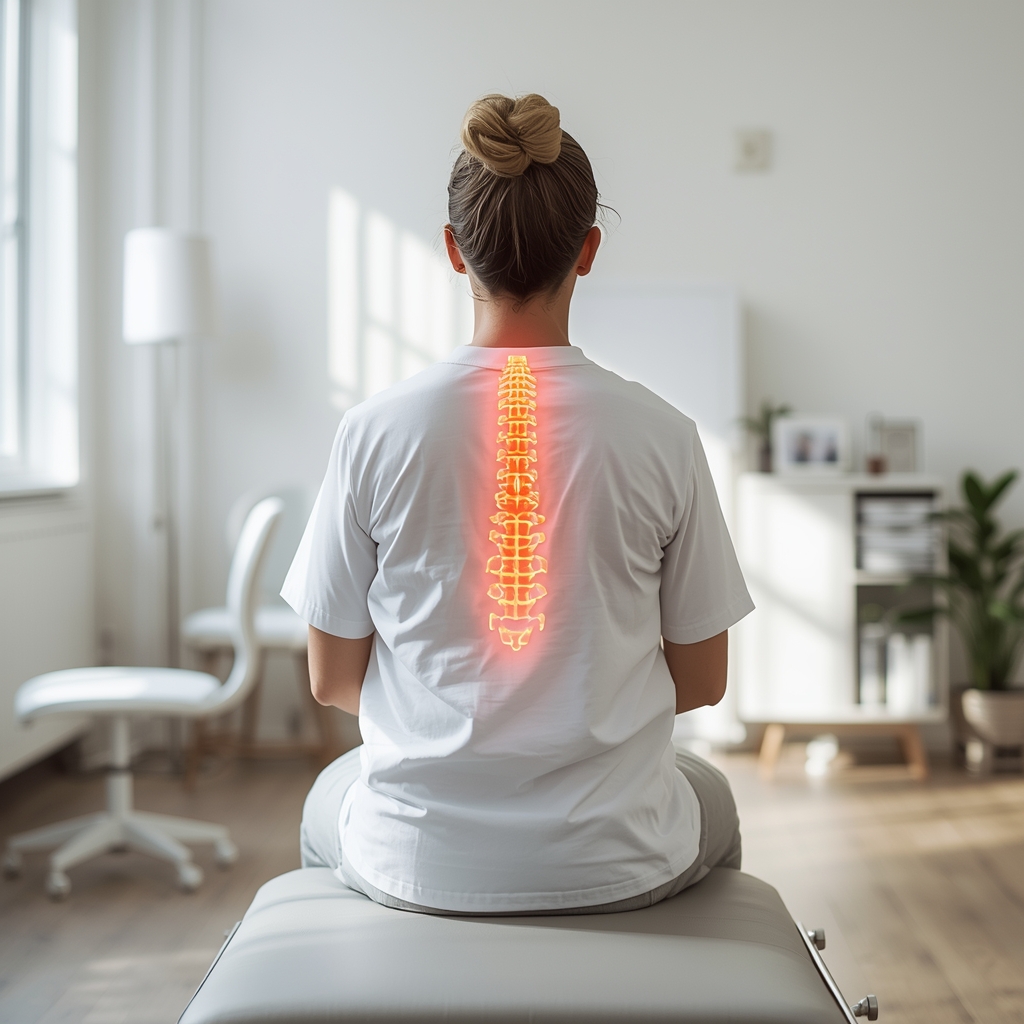
Supervised Patient Interaction: Building Confidence Through Real-World Experience
Clinical rotations provide chiropractic students with direct, hands-on opportunities to engage with patients under the guidance of licensed professionals. This supervised interaction allows students to apply classroom knowledge to real-world scenarios, refining their diagnostic and treatment skills. By working with a variety of patient cases, students learn to assess musculoskeletal conditions, develop treatment plans, and practice communication techniques. The presence of experienced mentors ensures that students receive immediate feedback, helping them build confidence while adhering to ethical and clinical standards. This phase of training bridges theoretical learning with practical application, preparing students for the complexities of patient care.
Diverse Case Exposure: Preparing for a Range of Patient Needs
Exposure to a wide array of patient conditions is a cornerstone of effective clinical rotations. Students encounter individuals with acute injuries, chronic pain, postural imbalances, and other musculoskeletal issues, broadening their understanding of chiropractic applications. This diversity helps students recognize patterns, differentiate between similar conditions, and tailor treatments to individual needs. By working with patients of varying ages, lifestyles, and health histories, students develop adaptability and cultural competence. Such experiences ensure they are equipped to address the multifaceted challenges of real-world practice, fostering a well-rounded approach to patient care.
Interdisciplinary Collaboration: Learning to Work with Other Healthcare Providers
Modern patient care often requires collaboration across healthcare disciplines, and clinical rotations emphasize this reality. Chiropractic students learn to communicate and coordinate with physicians, physical therapists, and other specialists to provide comprehensive care. This experience teaches students how to integrate chiropractic principles into broader treatment frameworks while respecting the roles of other professionals. By participating in team-based scenarios, students gain insights into referral processes, shared decision-making, and holistic patient management. Such collaboration prepares them to navigate real-world healthcare environments where interdisciplinary input is essential for optimal outcomes.
Ethical and Professional Standards: Upholding Integrity in Practice
Clinical rotations reinforce the ethical and professional responsibilities inherent to chiropractic care. Students are trained in areas such as informed consent, patient confidentiality, and adherence to regulatory guidelines. They observe and practice how to maintain boundaries, document cases accurately, and prioritize patient welfare. This component ensures students understand the legal and moral obligations of their profession, fostering trust between practitioners and patients. By embedding these principles into their training, clinical rotations help shape graduates who are not only skilled but also principled healthcare providers.
Feedback and Assessment: Refining Skills Through Evaluation
Ongoing feedback and structured assessments are critical to student growth during clinical rotations. Instructors evaluate students’ performance in diagnosis, technique, and patient communication, identifying areas for improvement. This process encourages self-reflection and continuous learning, helping students refine their skills iteratively. Regular evaluations also ensure students meet competency standards before entering independent practice. By receiving constructive criticism and celebrating progress, students develop resilience and a commitment to excellence, essential traits for successful chiropractic professionals.
Clinical Decision-Making: Developing Critical Thinking in Patient Care
Effective clinical rotations emphasize the development of critical thinking and decision-making abilities. Students learn to analyze patient histories, interpret diagnostic findings, and select evidence-based interventions. They practice weighing treatment options, considering patient preferences, and adjusting strategies as needed. This training cultivates the ability to make informed, timely decisions in dynamic clinical settings. By simulating real-world challenges, rotations prepare students to handle uncertainty and complexity, ensuring they can provide safe, effective care tailored to each patient’s unique situation.















