
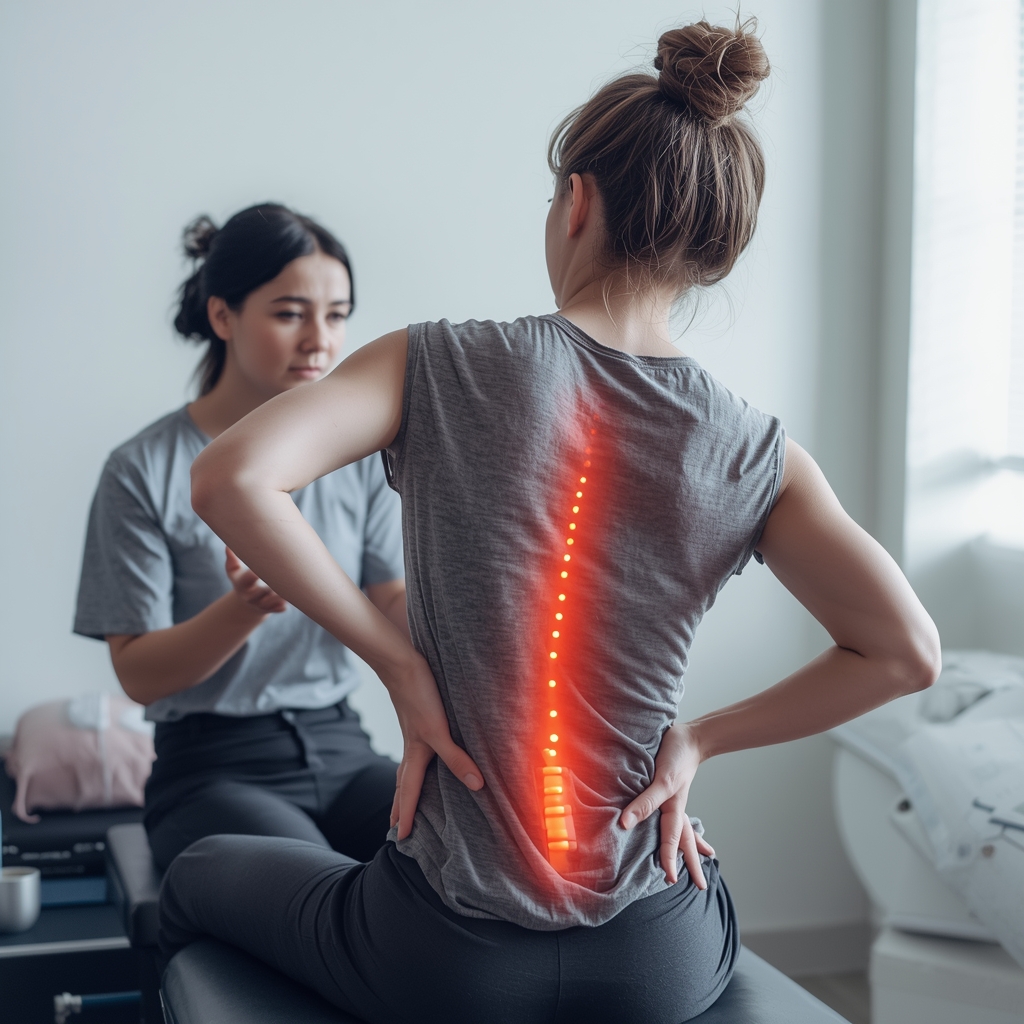
Technical Precision and Skill Development
Mastering spinal manipulation requires a high level of technical precision, which can be daunting for chiropractic students. The exactness of force, angle, and timing during adjustments demands repetitive practice to build muscle memory and confidence. Many students struggle with translating textbook knowledge into hands-on application, as the human body’s variability complicates standardized techniques. Programs address this by incorporating supervised practice sessions, where students refine their skills under the guidance of experienced instructors. Simulated patient models and cadaver labs also provide critical opportunities to experiment with techniques in a controlled environment. These methods help students develop the tactile sensitivity needed to assess spinal alignment and apply adjustments effectively.
Understanding Complex Anatomy
A deep understanding of spinal anatomy is foundational to effective manipulation, yet it poses a significant challenge for many students. The spine’s intricate structure, including vertebrae, discs, nerves, and surrounding musculature, requires memorization and spatial awareness. Students often grapple with visualizing how anatomical structures interact during adjustments. To bridge this gap, chiropractic programs integrate anatomy courses with clinical training, emphasizing practical application. Interactive tools like 3D imaging and virtual dissection software enhance comprehension, while case studies help students connect theoretical knowledge to real-world scenarios. This dual approach ensures students can identify anatomical landmarks and anticipate how adjustments might affect different regions of the spine.
Patient Variability and Communication
Each patient’s body is unique, presenting challenges in adapting manipulation techniques to individual needs. Factors like body type, injury history, and pain tolerance require students to think critically and adjust their approach. Additionally, effective communication is vital to explain procedures, manage patient anxiety, and gather accurate histories. Many students lack experience in these interpersonal skills, which are crucial for building trust. Programs now emphasize communication training through role-playing exercises and patient interaction simulations. Instructors also encourage reflective practice, helping students analyze their interactions and improve their ability to tailor care to diverse patient populations.
Clinical Practice Pressure
Transitioning from classroom learning to real-world clinical practice can be overwhelming for students. The pressure to perform accurately while managing patient expectations often leads to stress and self-doubt. Mistakes in a clinical setting, though part of the learning process, can hinder confidence. To mitigate this, programs implement structured clinical rotations with gradual responsibility increases. Supervised settings allow students to practice under the watchful eye of mentors, who provide constructive feedback. Some institutions also offer stress-management workshops and peer support groups to help students navigate the emotional demands of clinical training, fostering resilience and adaptability.
Program Innovations and Training Methods
Chiropractic programs are increasingly adopting innovative training methods to address these challenges. Virtual reality (VR) simulations, for example, allow students to practice adjustments in immersive, risk-free environments. Advanced palpation tools and sensor-equipped devices help students refine their touch and assess spinal motion more accurately. Additionally, interdisciplinary collaboration with physical therapy and medical programs exposes students to broader healthcare perspectives. These innovations not only enhance technical skills but also prepare students for the evolving landscape of integrative care. By embracing technology and collaborative learning, programs ensure students are well-equipped to meet the complexities of modern chiropractic practice.
Ongoing Support and Professional Growth
Mastering spinal manipulation is a lifelong journey, and programs recognize the importance of ongoing support beyond formal education. Mentorship programs pair students with experienced chiropractors who offer guidance and share practical insights. Continuing education workshops and certification courses help graduates stay updated on emerging techniques and research. Peer learning communities also play a role, enabling students to exchange experiences and troubleshoot challenges. By fostering a culture of continuous improvement, programs empower students to grow professionally and adapt to new demands in the field. This commitment to lifelong learning ensures graduates remain competent and confident in their practice.














