
Mastering Technical Precision
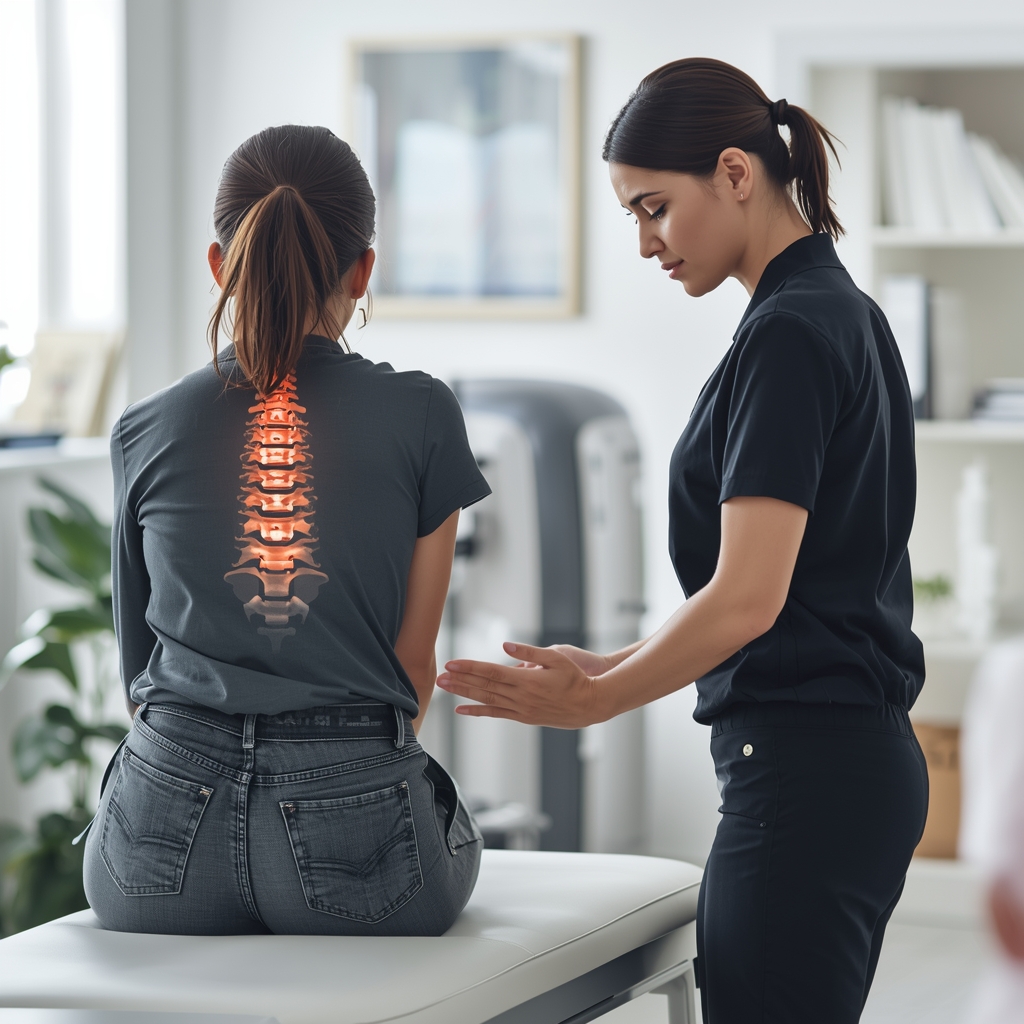
Chiropractic students often struggle with the intricate technical skills required for spinal manipulation. These techniques demand precise hand placement, controlled force, and an understanding of biomechanics. Students must learn to differentiate between various adjustment methods, such as high-velocity, low-amplitude thrusts or soft-tissue mobilization. The complexity of spinal anatomy—including vertebrae, discs, and surrounding nerves—adds another layer of difficulty. Many students find it challenging to translate textbook knowledge into practical application, especially when balancing strength with finesse. This gap between theory and practice can lead to frustration and self-doubt, highlighting the need for structured, hands-on training.
Integrating Theory with Practice
Chiropractic education emphasizes both foundational science and clinical skills, but bridging these areas proves daunting. Students must internalize vast amounts of anatomical and physiological information while simultaneously developing manual dexterity. The pressure to perform accurately during patient simulations or clinical rotations can overwhelm learners. Additionally, understanding how spinal misalignments affect overall health requires critical thinking that many students are still developing. This dual focus often leads to cognitive overload, making it difficult to prioritize which concepts to master first. Effective mentorship and progressive training modules are essential to help students navigate this complex learning curve.
Physical and Mechanical Demands
Spinal manipulation is physically taxing, requiring students to maintain proper body mechanics to avoid injury. Learning to apply force efficiently without straining their own bodies is a significant challenge. Many students lack the strength or flexibility needed for certain techniques, particularly those involving rotational adjustments or leveraged movements. Over time, repetitive motions can lead to fatigue or musculoskeletal strain, further complicating skill development. Additionally, students must learn to adapt techniques to patients of varying sizes, conditions, and pain thresholds. These physical demands underscore the importance of ergonomic training and regular physical conditioning to sustain long-term proficiency.
Ensuring Patient Safety
Student chiropractors face immense pressure to perform safely, as errors during manipulation could harm patients. This responsibility often creates anxiety, especially when practicing on real patients. Students must learn to assess patient suitability for adjustments, recognize contraindications, and communicate effectively to build trust. The fear of causing unintended injury can hinder their confidence, leading to overly cautious or hesitant techniques. Additionally, adhering to ethical guidelines and legal standards adds another layer of complexity. Supervised clinical experiences and ongoing feedback are crucial to help students develop the judgment needed to balance effectiveness with safety.
Limited Clinical Practice Opportunities
Access to sufficient hands-on training is a common hurdle for chiropractic students. While classroom instruction provides theoretical foundations, real-world clinical exposure is vital for skill refinement. However, many programs struggle to offer adequate patient volume or diverse cases, limiting students’ ability to practice under supervision. This scarcity can delay skill development and reduce confidence. Students may also face challenges in finding mentors who provide constructive feedback. Collaborative learning environments and simulated patient models can help mitigate these gaps, but resource constraints often persist. Addressing this issue requires investment in clinical training infrastructure and partnerships with healthcare facilities.
Developing Intuition and Confidence
Beyond technical skills, chiropractic students must cultivate the intuition to sense spinal misalignments and adjust accordingly. This “clinical instinct” takes time to develop and is often difficult to teach through traditional methods. Students may struggle with self-doubt, especially when their adjustments don’t produce immediate results. Building confidence requires repeated practice, peer collaboration, and reflective learning. Additionally, adapting to diverse patient responses—such as varying pain levels or anatomical differences—demands flexibility. Mentorship plays a critical role in guiding students through these challenges, helping them transition from technique-focused learners to intuitive, patient-centered practitioners.














